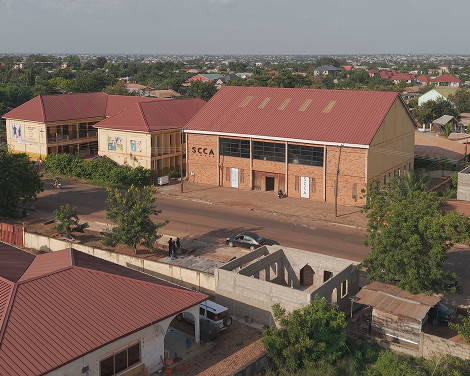
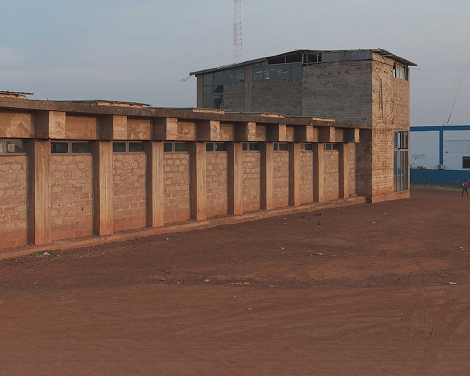
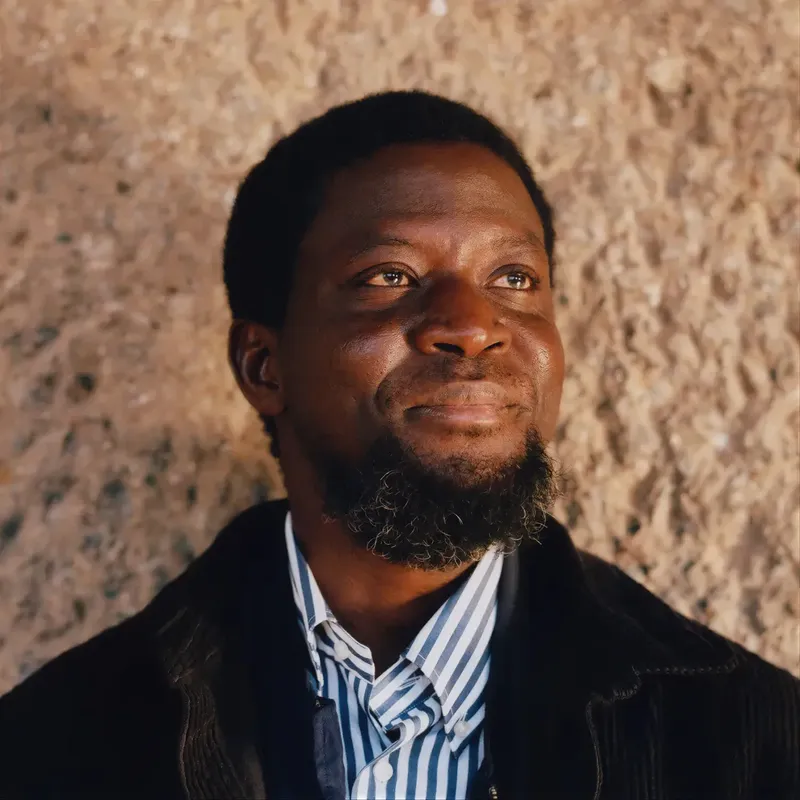
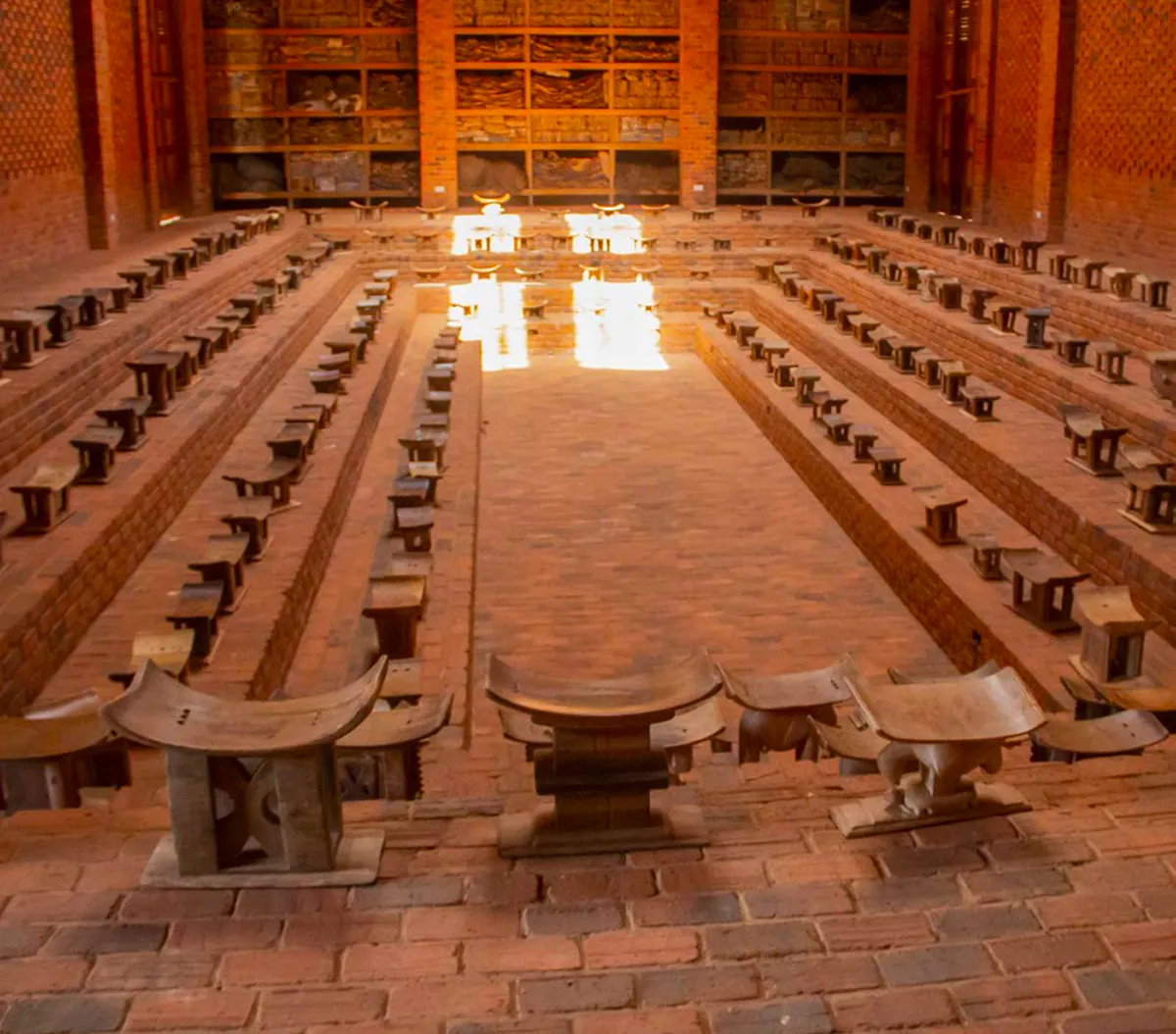
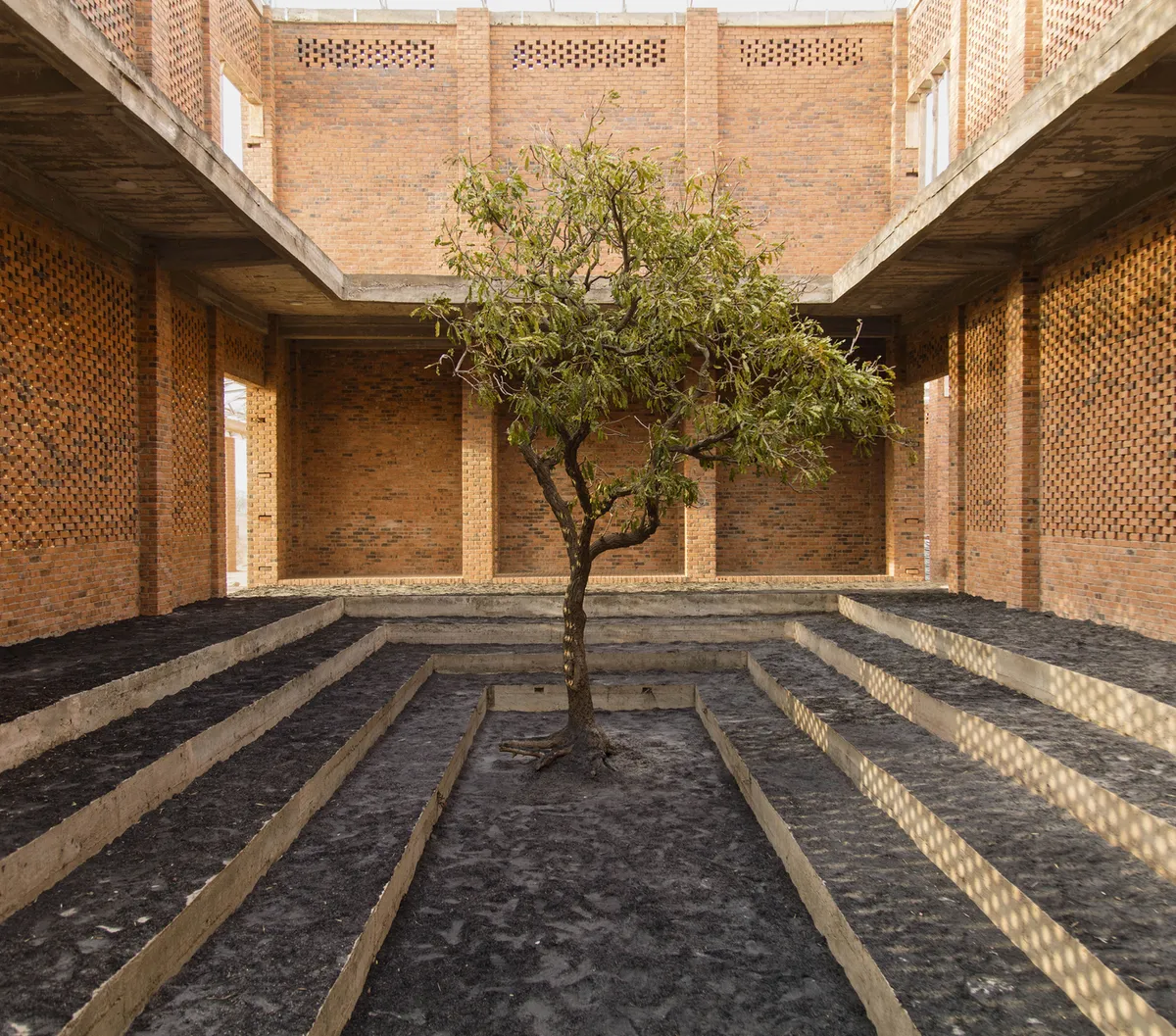
The art centers founded by Ibrahim Mahama in Tamale, in northern Ghana, are part of an approach that closely interweaves contemporary creation, industrial heritage, and transmission. By creating spaces and taking over former industrial sites from the post-independence period, Mahama reactivates architectures marked by the history of labor, extraction, and the networks of circulation that have structured the country.
Art centers
Red Clay StudioRed Clay Studio
SCCA SCCA
Nkrumah Voli-NiNkrumah Voli-Ni
Red Clay Studio
Tamale, Ghana
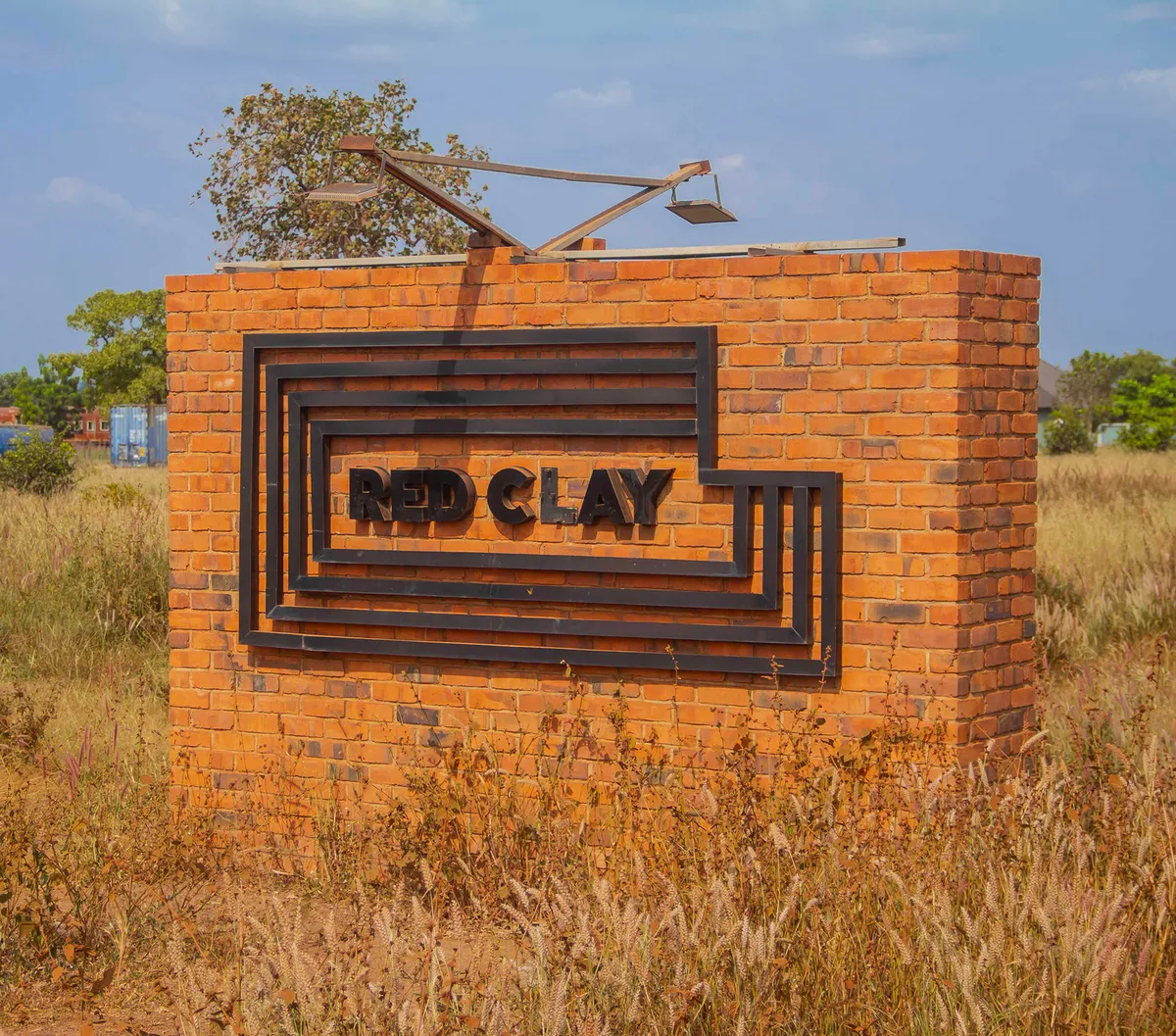
Founded in 2020, Red Clay carries on Ibrahim Mahama's vision on an even larger scale.
Its name originates from a musical reference that is dear to him. A few months before the center opened, the artist was inspired by a song by Youssou N'Dour describing a “red earth in search of its soul.” This image resonates with the ambition of the project: to make Red Clay a place for research, experimentation, and collective construction, serving local communities.
That’s how I see myself as an artist: a medium who transmits ideas and creates forms conducive to collective experience.
Ibrahim Mahama
Red Clay studio
Located in a village on the outskirts of Tamale, far from the main art market circuits, Red Clay was designed as a space where art can contribute to creating social connections and encouraging collective action. The title of the album Joko: From Village to Town reinforces this vision of a dialogue between periphery and center, between local ties and openness to the world.
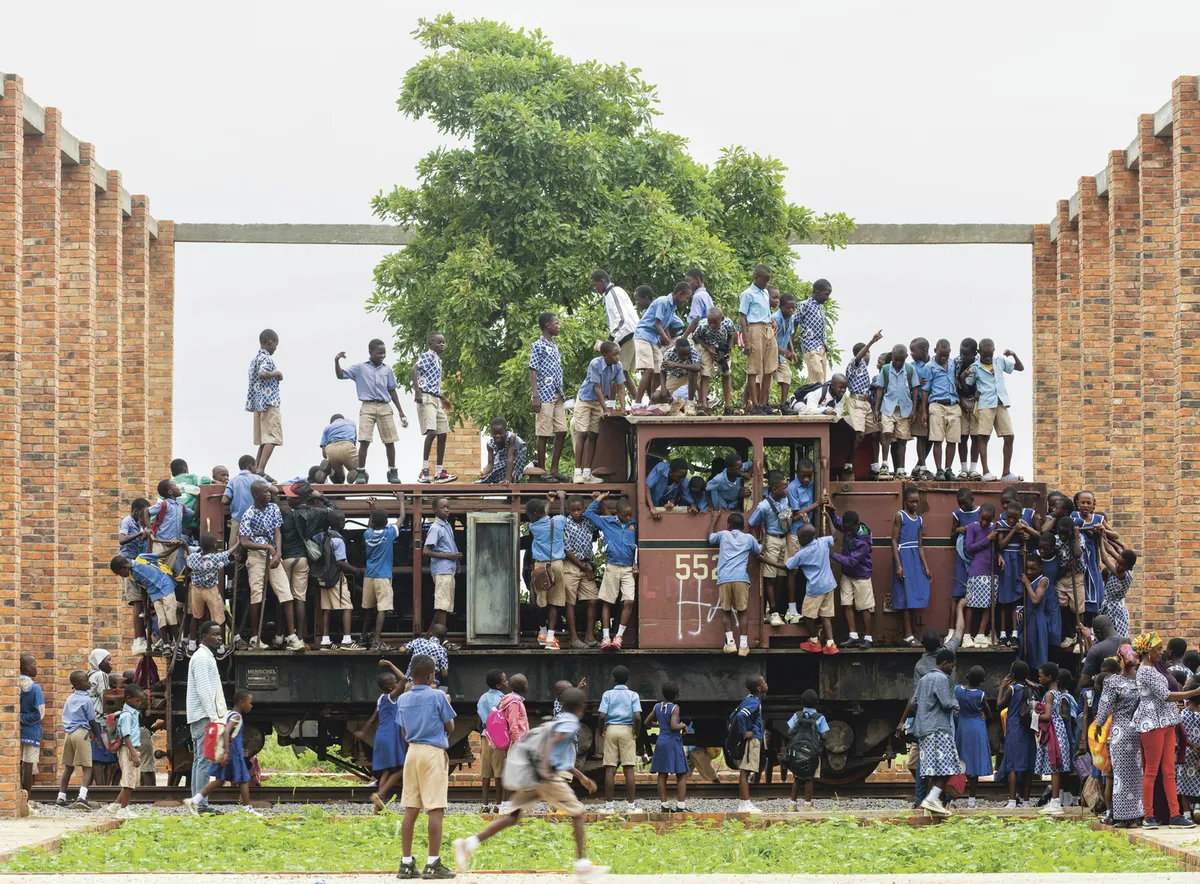
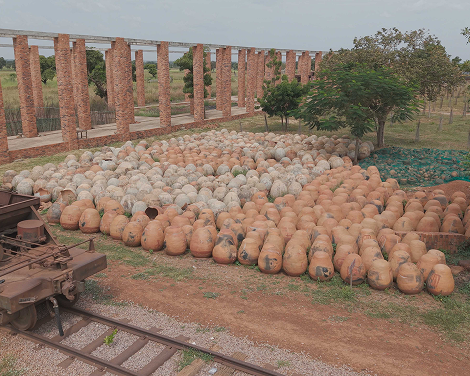
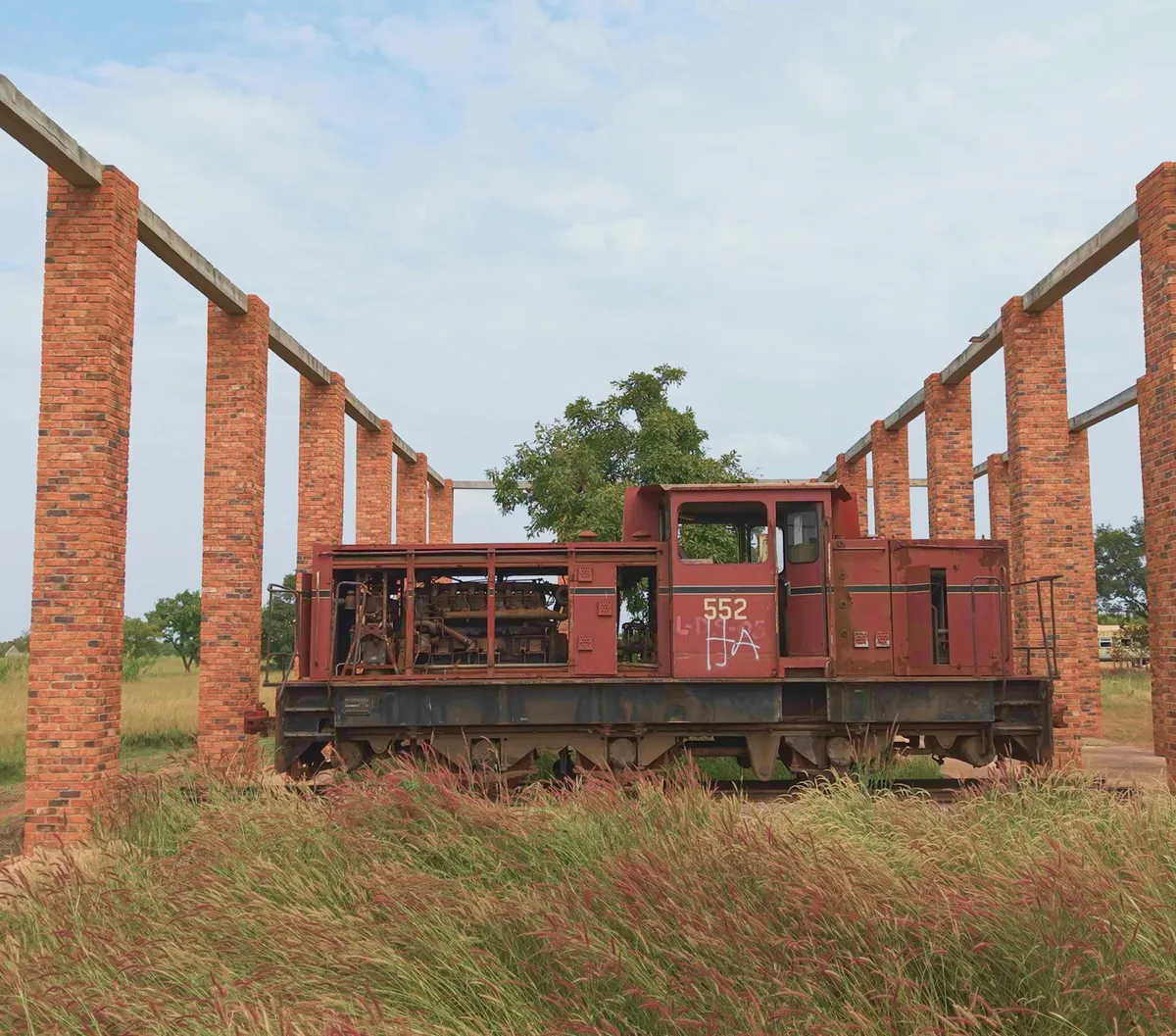
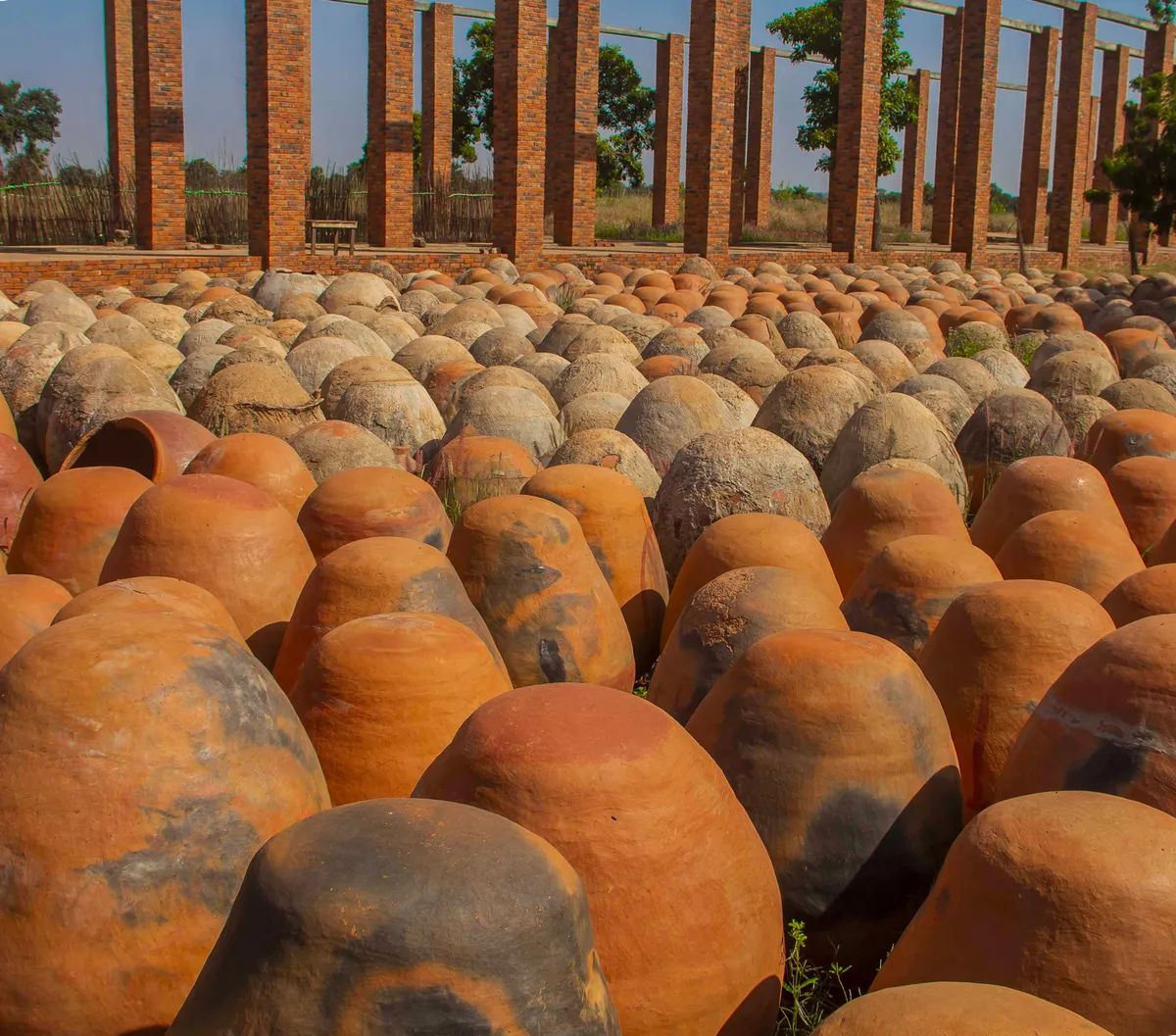
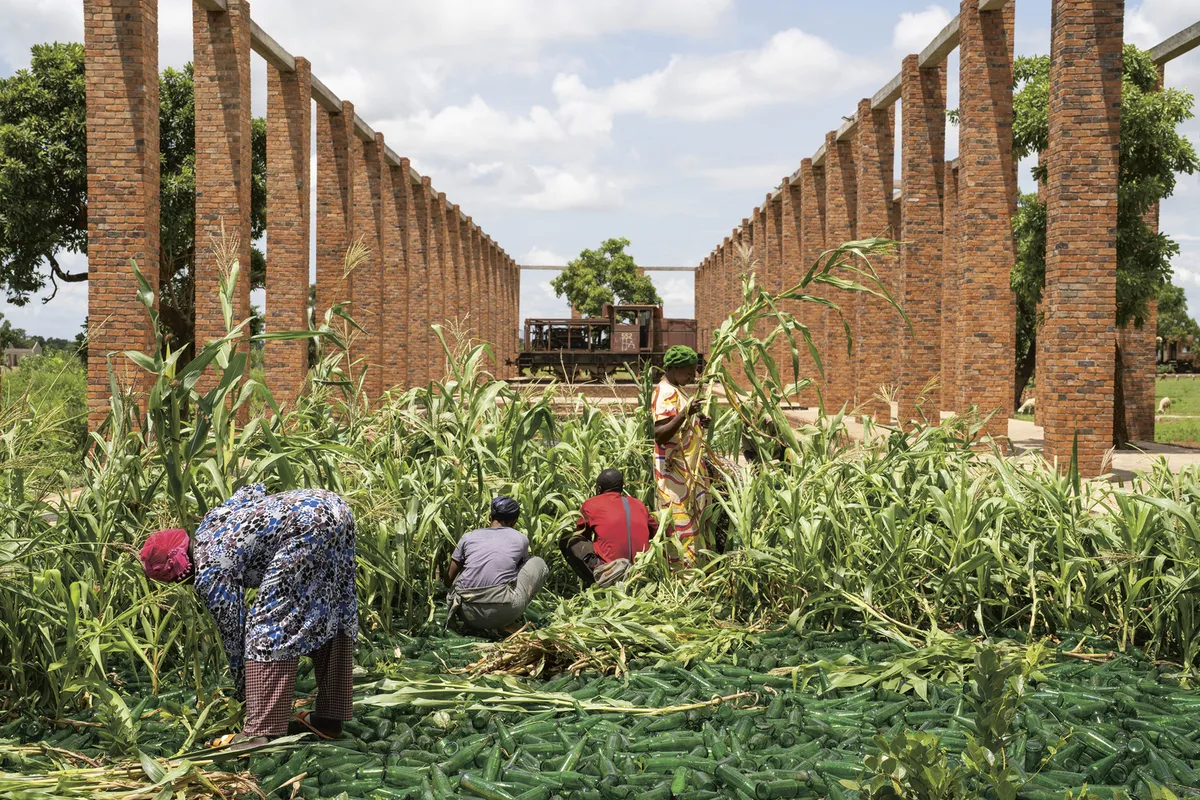
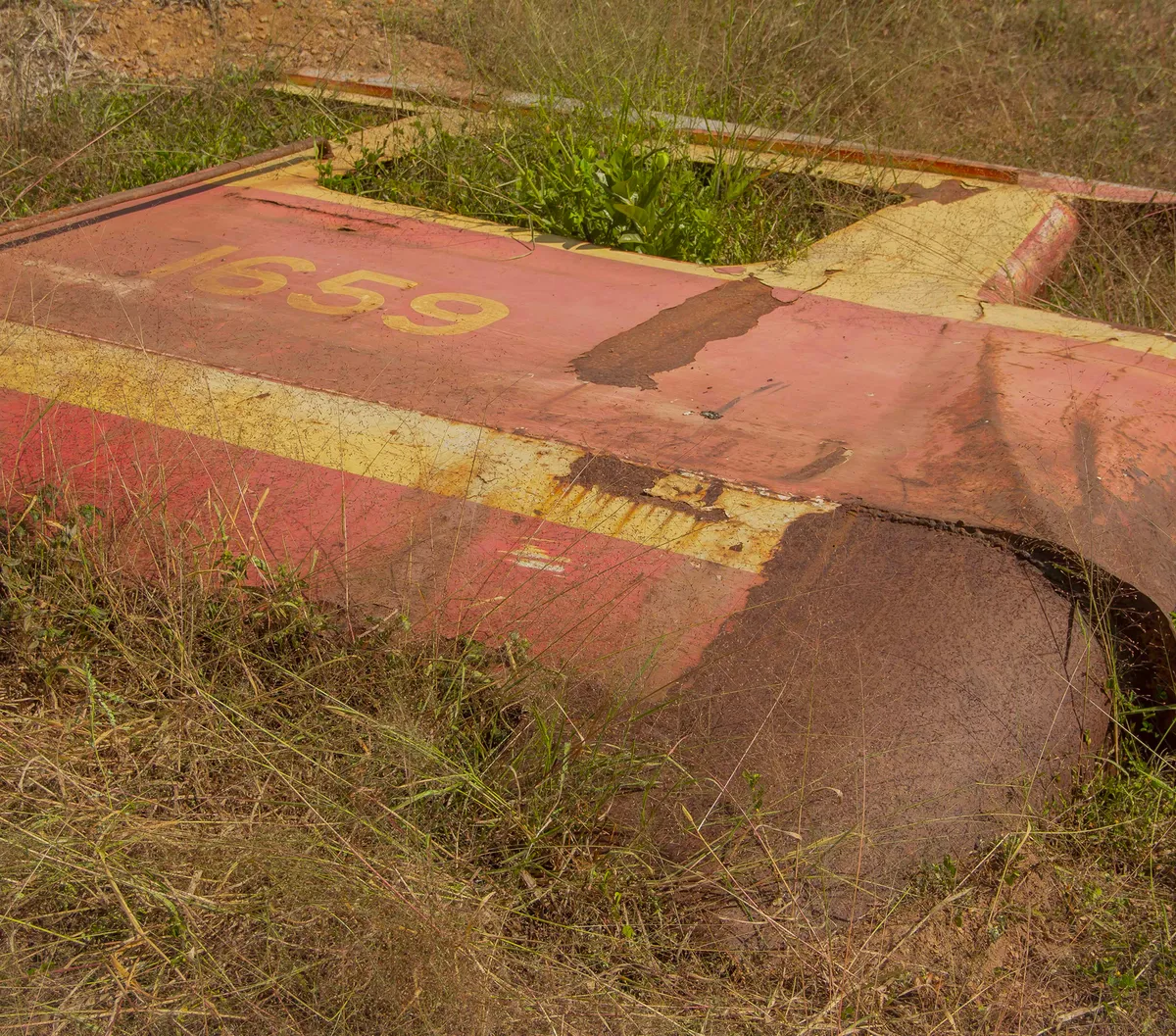
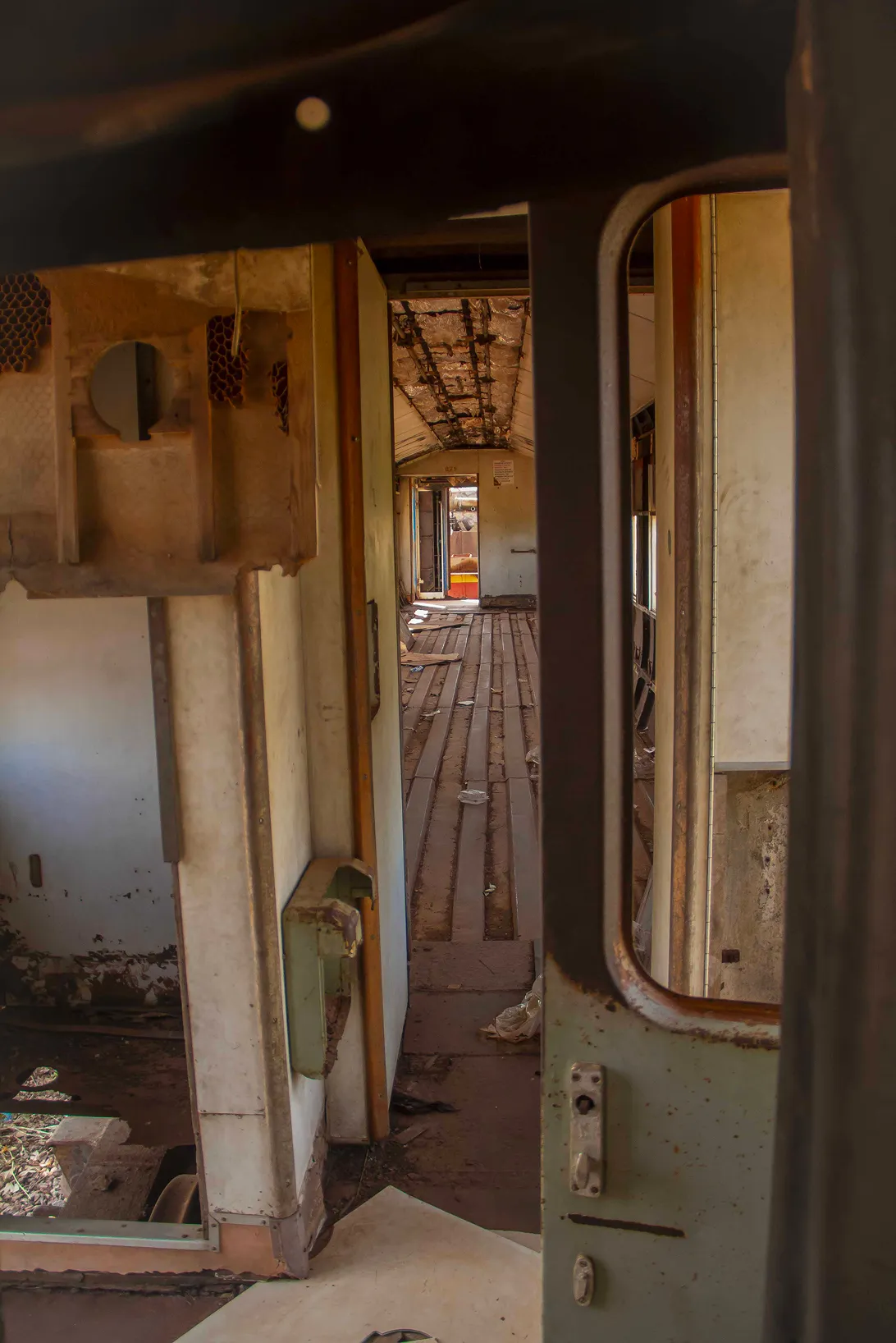
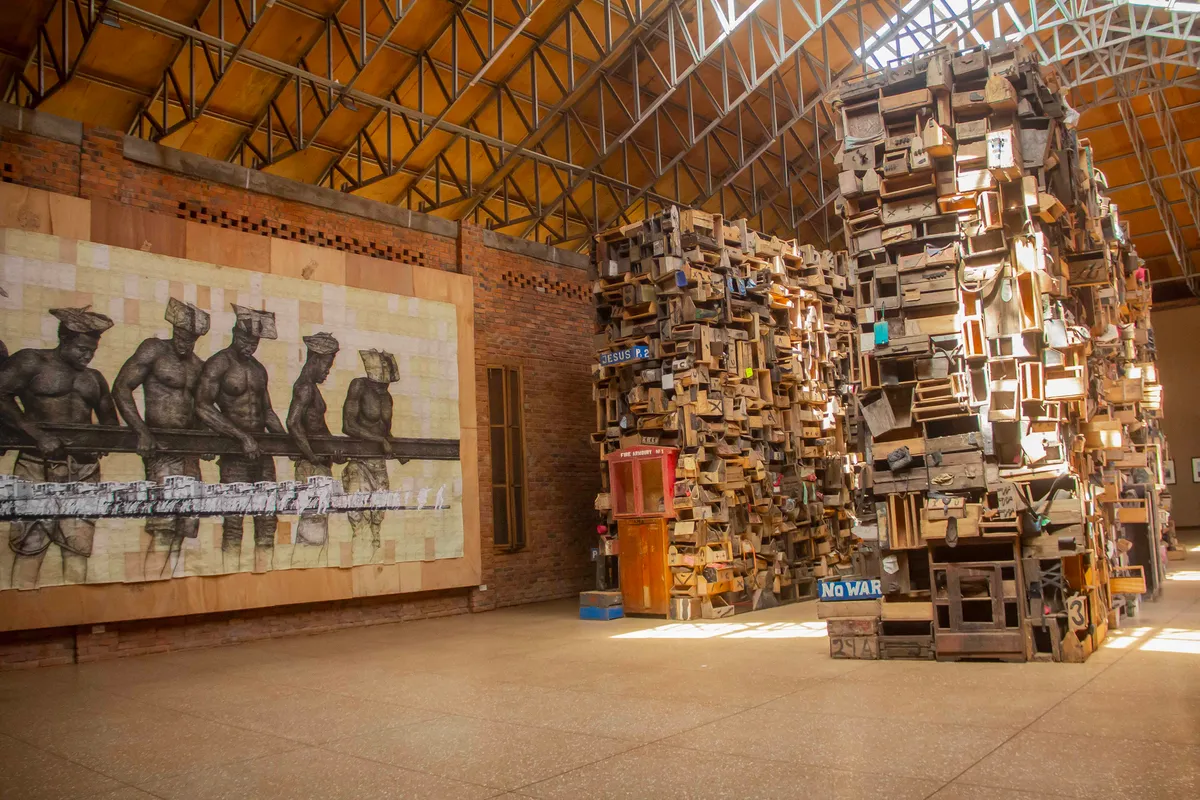
Set on a two-hectare plot, it consists of five buildings offering nearly 5,000 m² of exhibition space. One of them houses a permanent version of Parliament of Ghosts, where workshops, discussions, and performances are held. Outside, old airplanes and train cars from the 1950s and 1960s stand alongside a multitude of objects collected by the artist, kept for future projects. Part of the site is also occupied by The Greenhouse, a greenhouse dedicated to the cultivation and preservation of endangered local plant species. This attention to the earth, both as a living resource and as a building material, reflects Ibrahim Mahama's desire to build upon the Ghanaian territory itself.