The themes
Architecture & Heritage
Architecture plays an important role in The Harvest Season. Although he is not an architect, Ibrahim Mahama has been interested in it for a long time, particularly from a heritage perspective. Since the 2010s, he has covered several modernist buildings with his jute weaves, first on his university campus and then in Accra and abroad. In his work, architecture thus becomes a medium for questioning the history, memory and utopias with which these buildings are associated.
In the young Ghanaian nation at the end of the 1950s, architecture, like art, was mobilized to assert the country's influence. After independence in 1957, architecture contributed to the construction of the image of a modern and independent Ghana. Tropical modernism, developed in India and several West African countries beginning in the 1940s, sought to adapt modernist principles to hot climates. It was based in particular on natural ventilation, protection from the sun, and the circulation between indoor and outdoor spaces, through louvered shutters, awnings, or brise-soleil.
In Ghana, this movement took on a particular dimension after independence. Local and international architects then worked to create architecture adapted to the climate and local conditions. KNUST, where Ibrahim Mahama and several artists featured in the exhibition have taught or studied, became an important site for these experiments in the 1960s and 1970s. Architecture then contributed to the construction of a new national identity, in a context marked by Pan-Africanism and the desire to transcend the borders inherited from colonization.
Nkrumah Volini, the third center opened by Ibrahim Mahama in 2022 east of Tamale, is directly connected to this history. It is housed in a former grain silo with brutalist architecture, built shortly before the ousting of Kwame Nkrumah. The building, which had never really been used, stands as a testament to the modernist project associated with Ghana's first president. In Dagbani (a language spoken in the north of the country), “Nkrumah Volini” means “the void left by Nkrumah”, in reference to the years of political instability that followed his removal from office in 1966. By transforming this building into an art center, Mahama reactivates an architectural heritage linked to an important period in the country's history.
© Thibaut Voisin 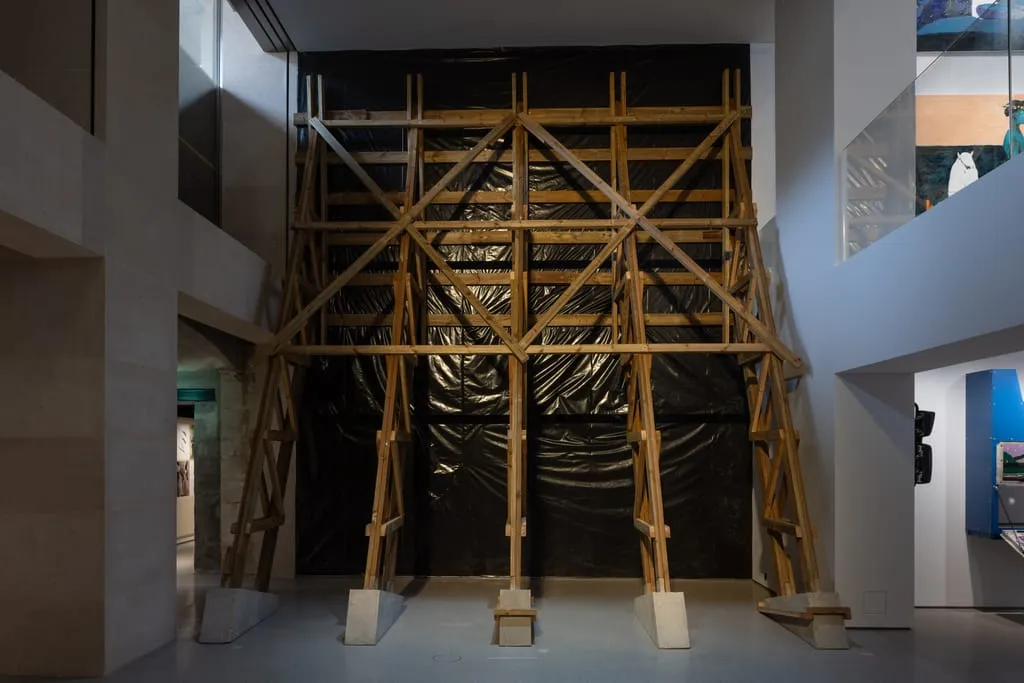
© Thibaut Voisin 
© Thibaut Voisin
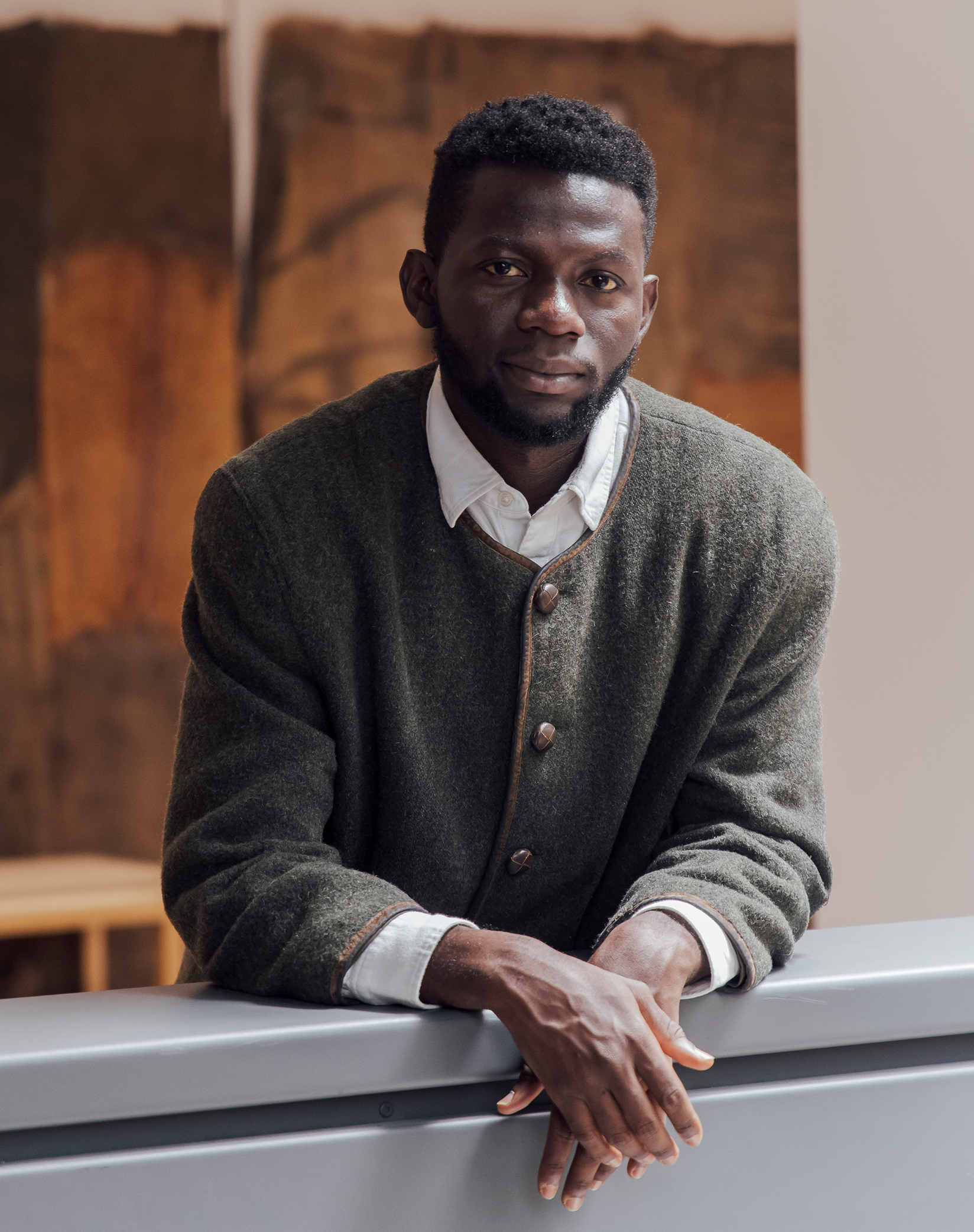
The exhibition thus brings together two architects, Courage Dzidula Kpodo and Feda Wardak, whose practices broaden this reflection, notably by setting modernist architecture alongside vernacular architecture.
Architecture & Heritage
© Cyril Marcilhacy 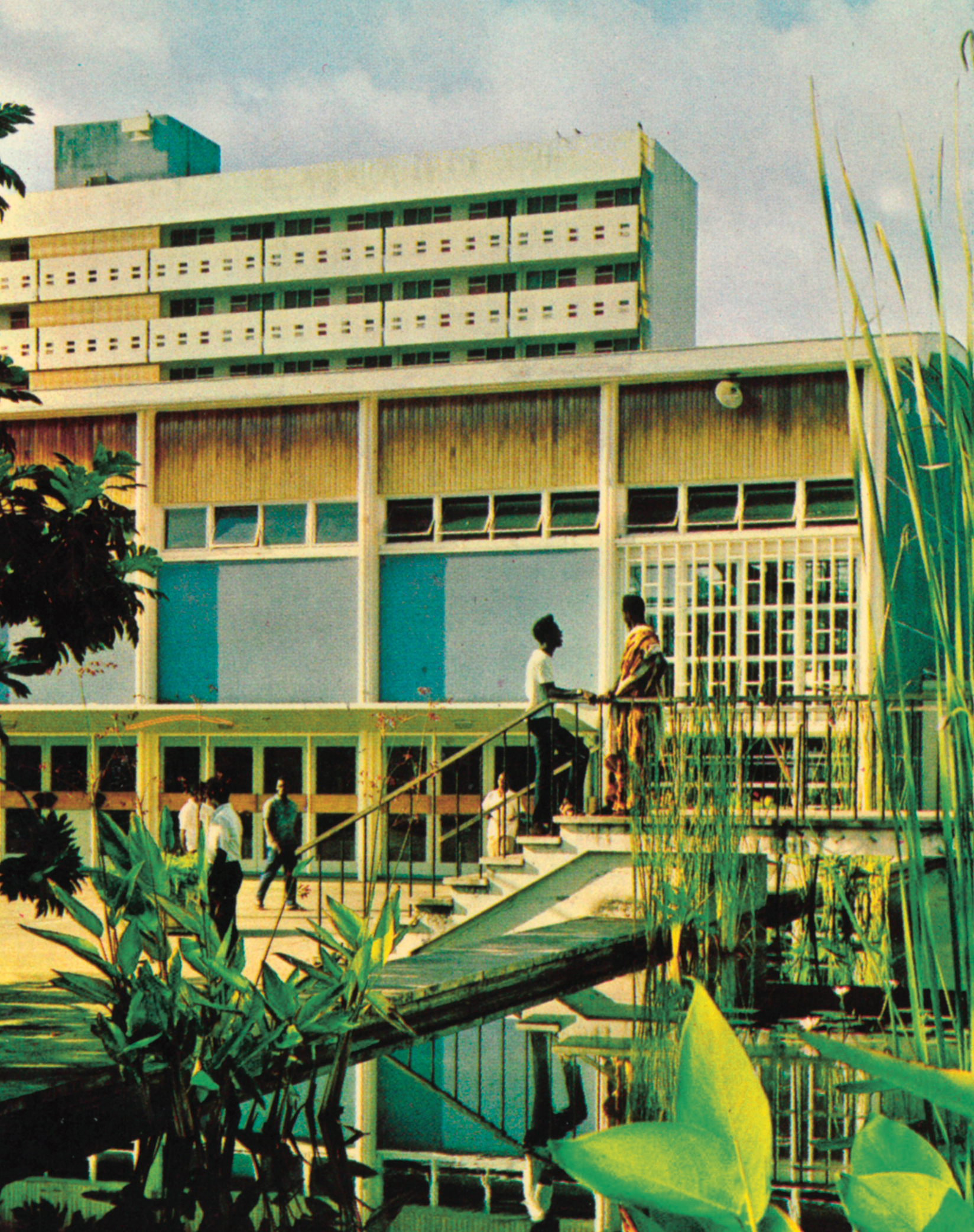
© Cyril Marcilhacy 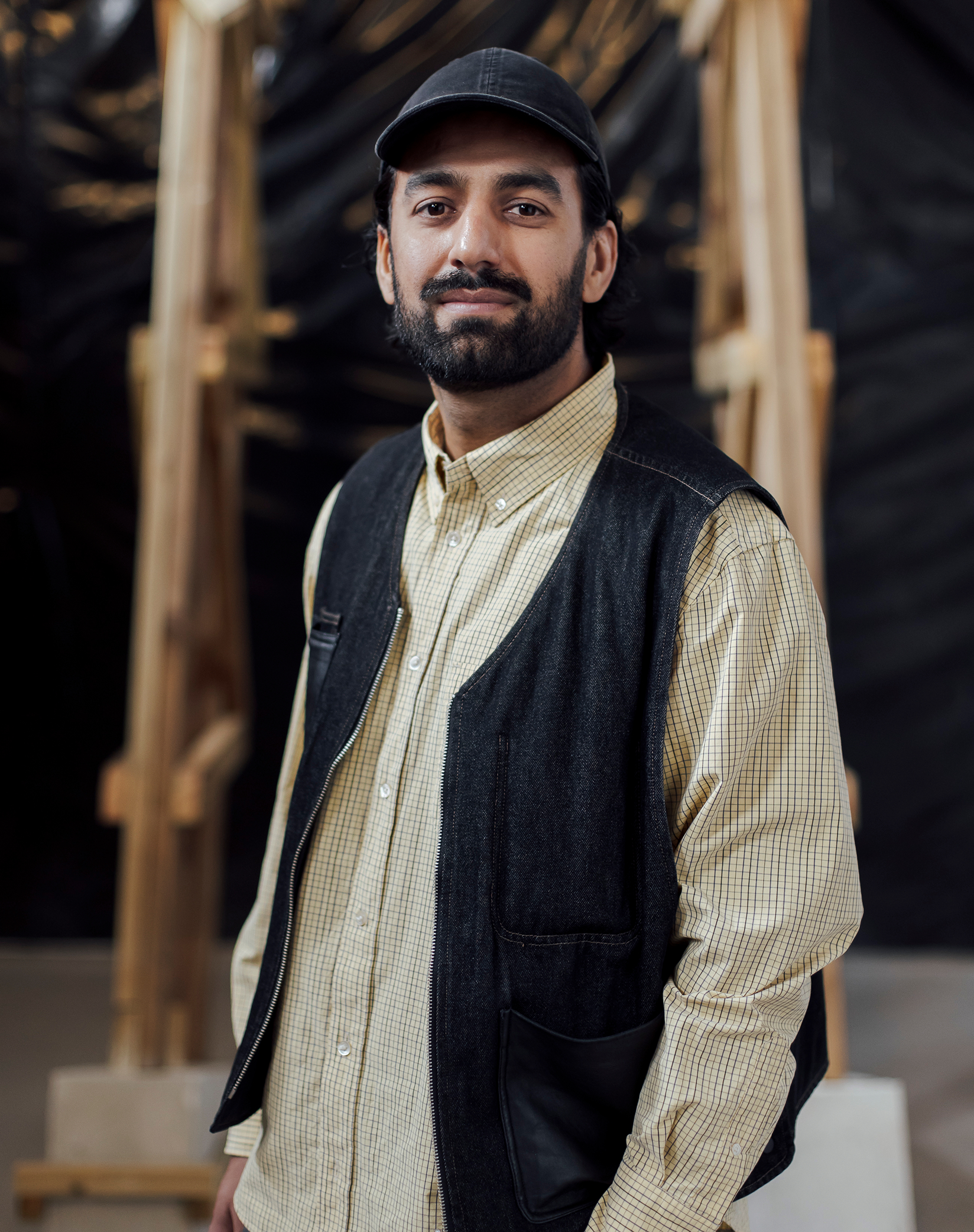
© Cyril Marcilhacy
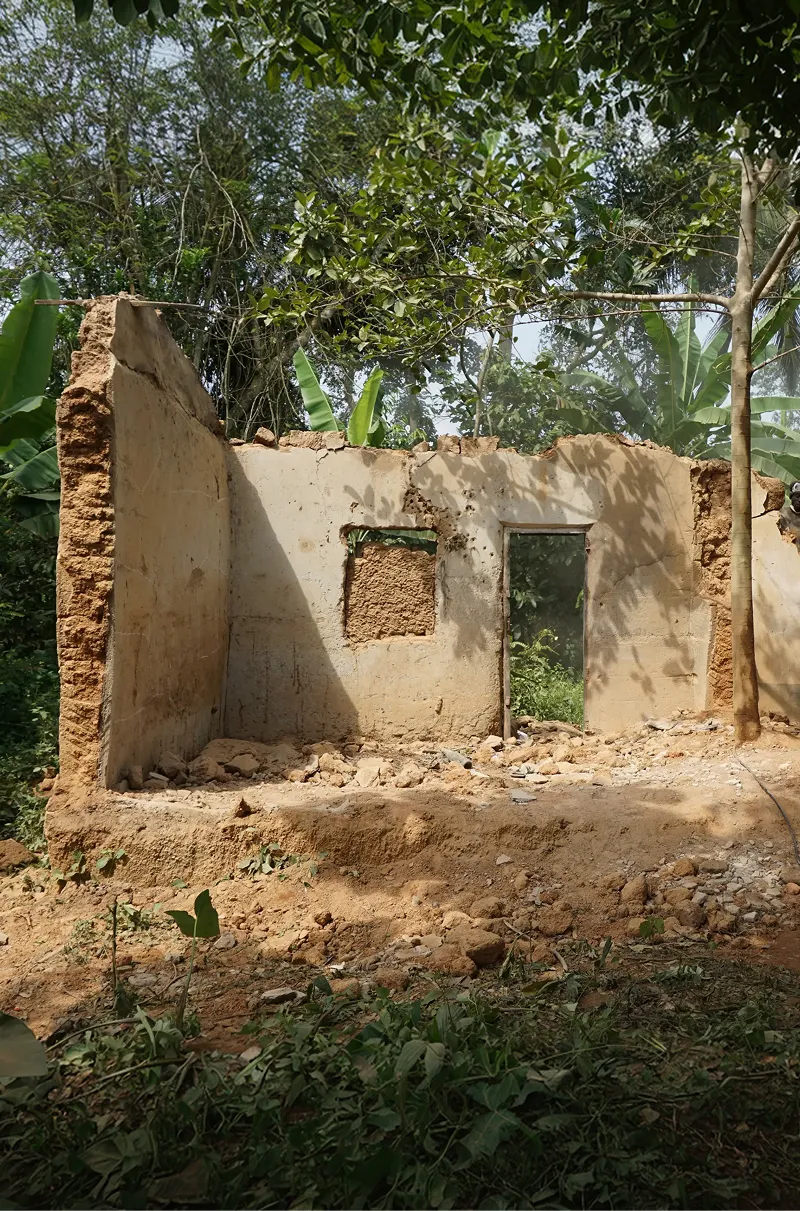
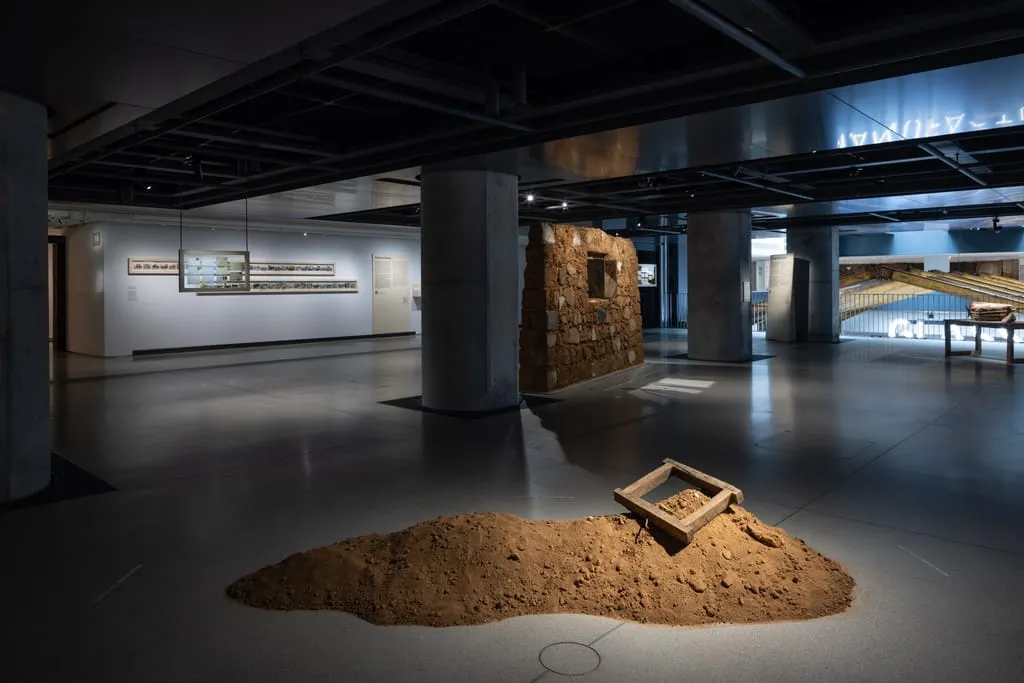
Courage Dzidula Kpodo, an architect who graduated from KNUST and MIT, presents Our Early Plans, a work composed of wall fragments taken from a former residence of cocoa growers dating from the early 20th century. The house was built in the tropical forest north of Accra by Papa Yaw Mensah, a grower whose farm was part of a rapidly expanding cocoa industry at the time. Built from lateritic earth, the house was passed down from generation to generation and restored over the decades, as shown by the various layers of cement and paint, before being abandoned in the mid-1980s.
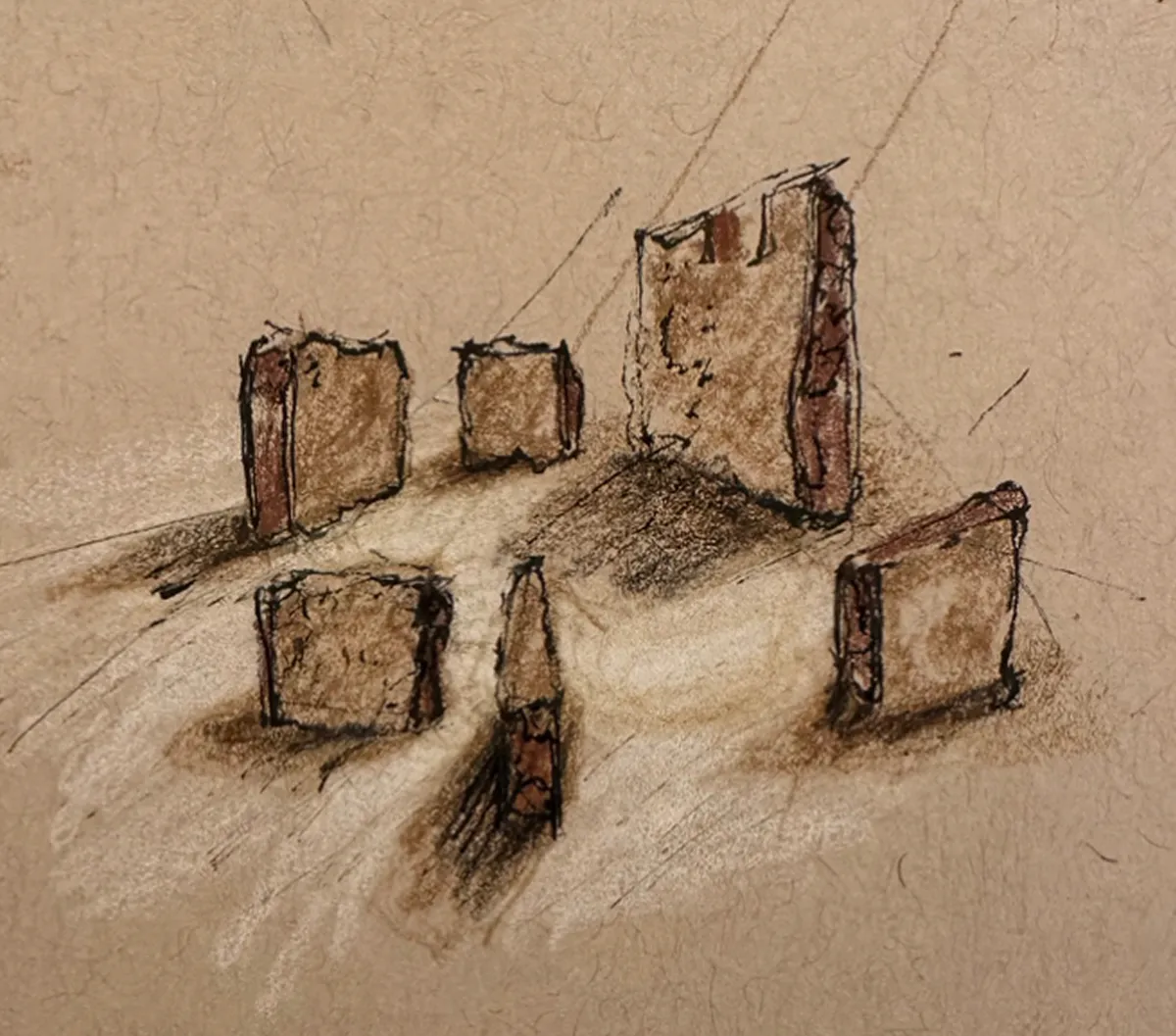
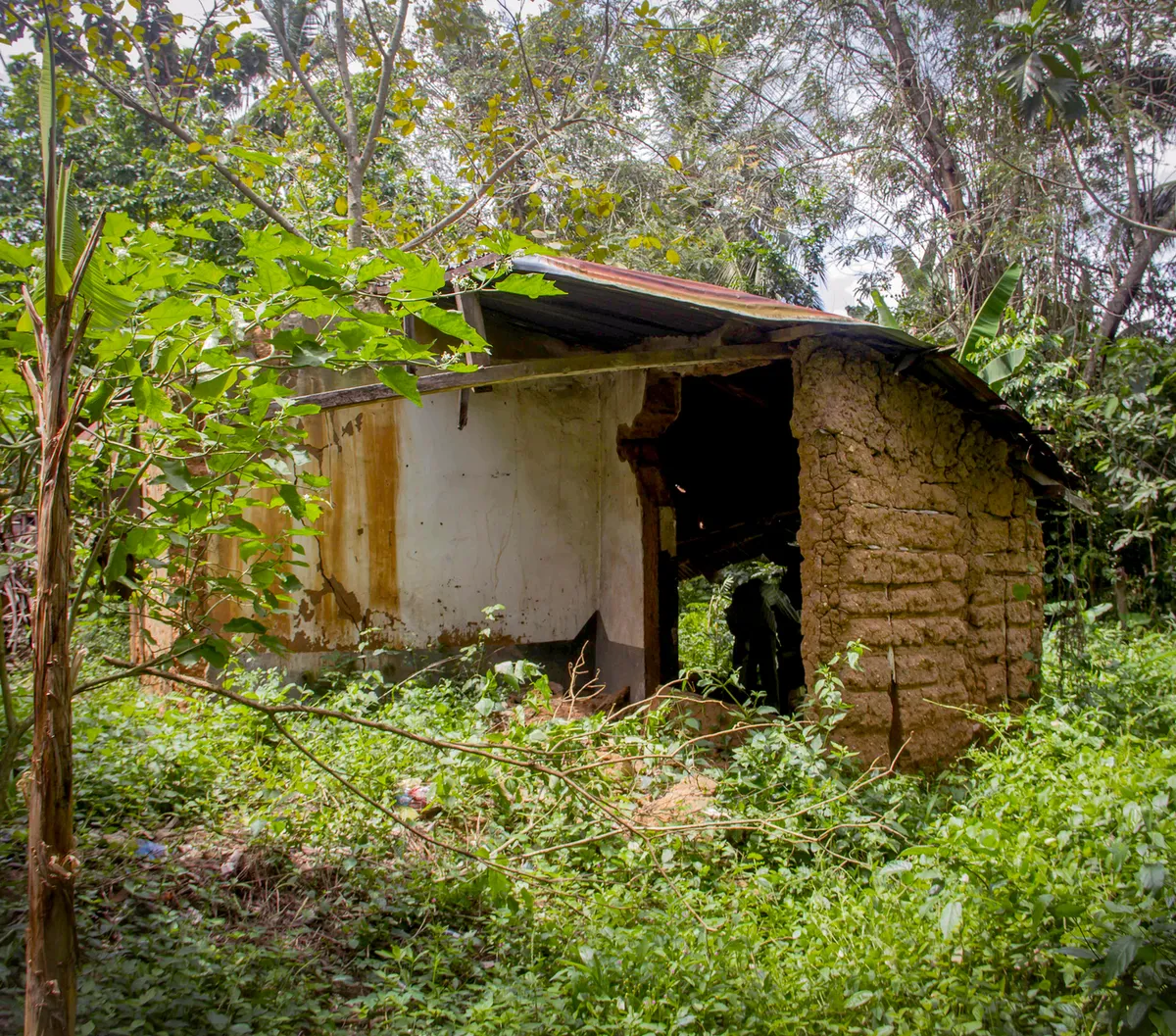
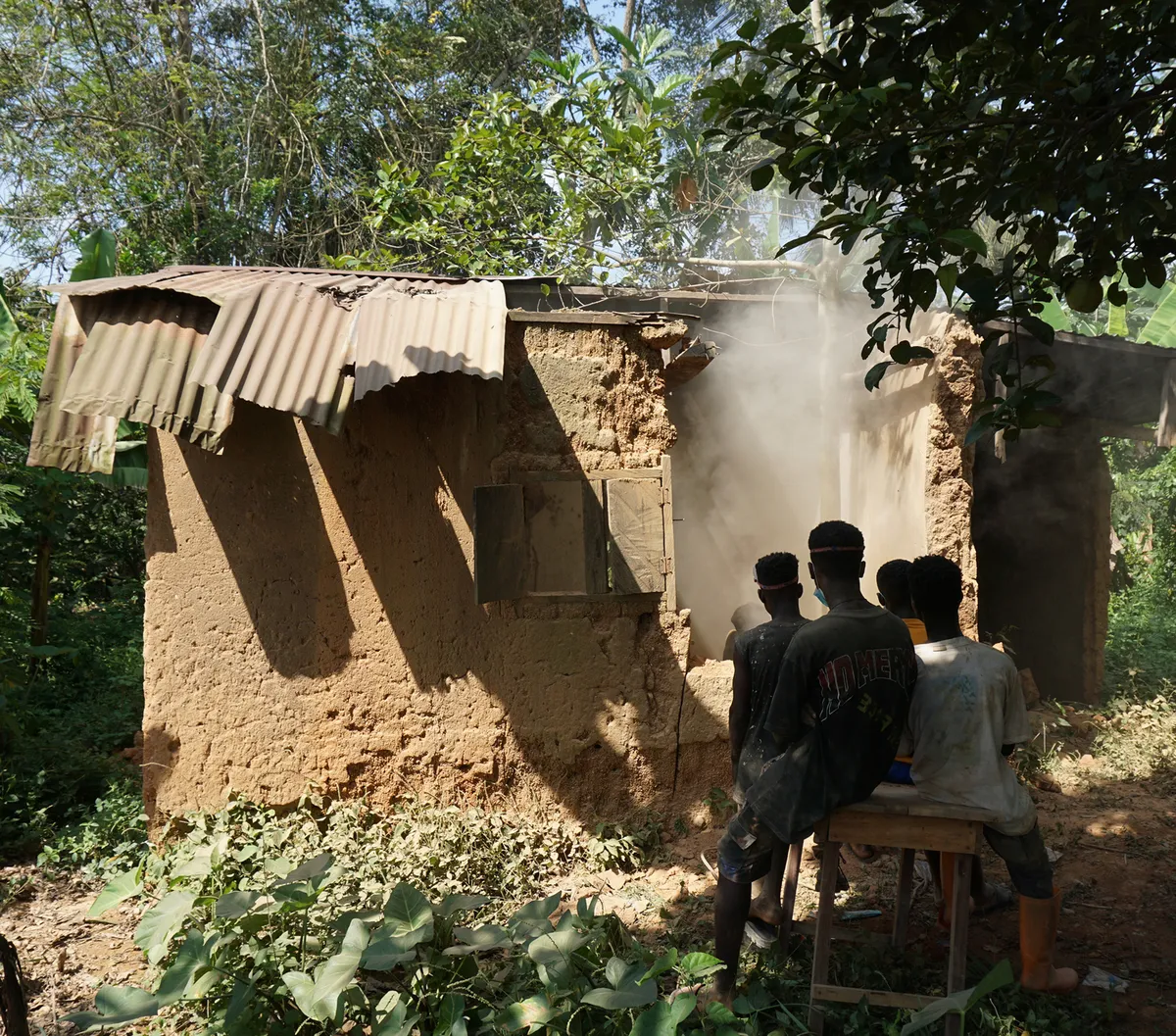
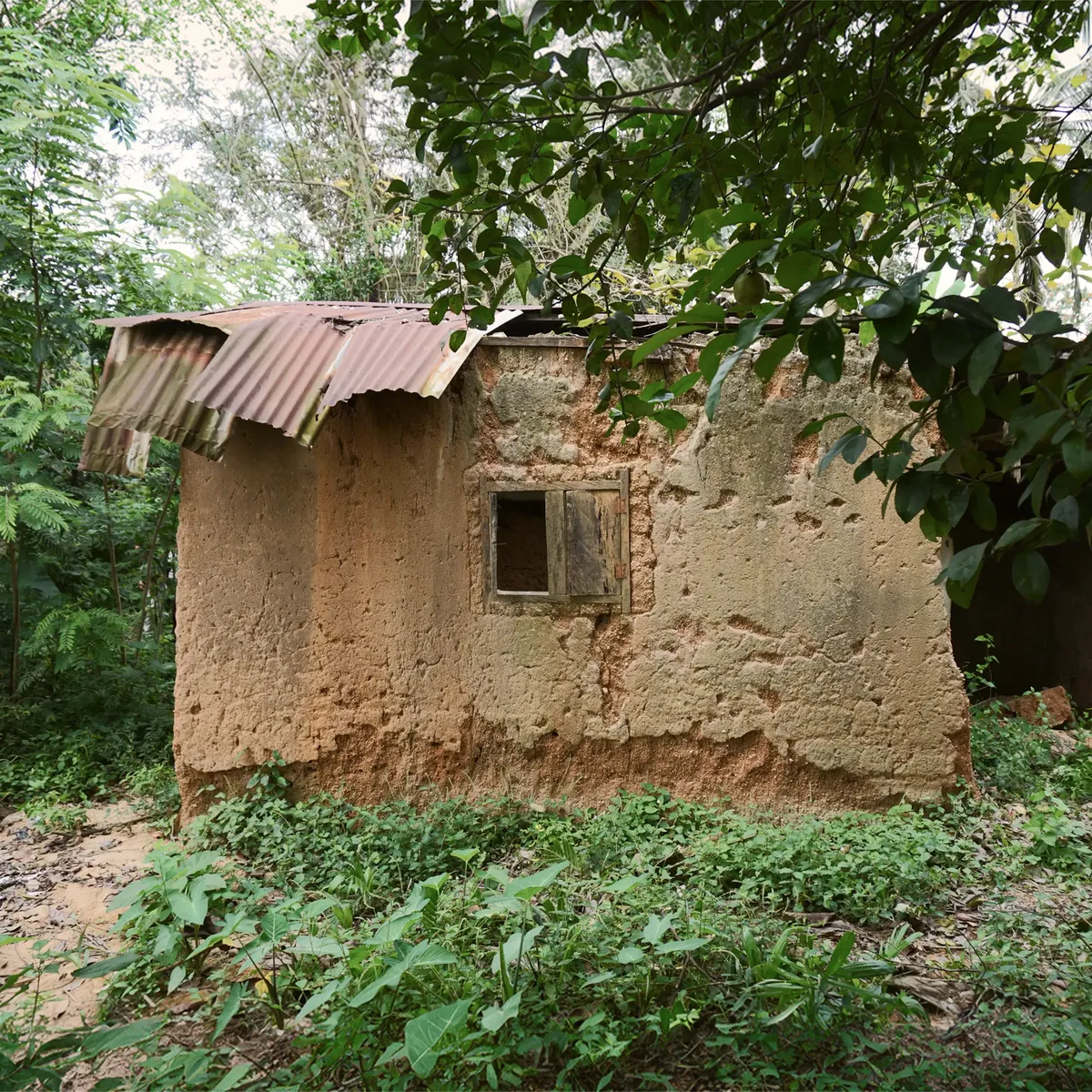
By dismantling this house and presenting some of its fragments at the Fondation Cartier, Kpodo focuses on a less visible part of Ghana's architectural heritage. His work broadens the reflection on tropical modernism to include rural buildings and local know-how, which often remain absent from narratives devoted to the country's architecture. These buildings, constructed with locally available materials and adapted to climatic conditions, nevertheless bear witness to other ways of building and inhabiting spaces.
The artists' fragments on the same theme
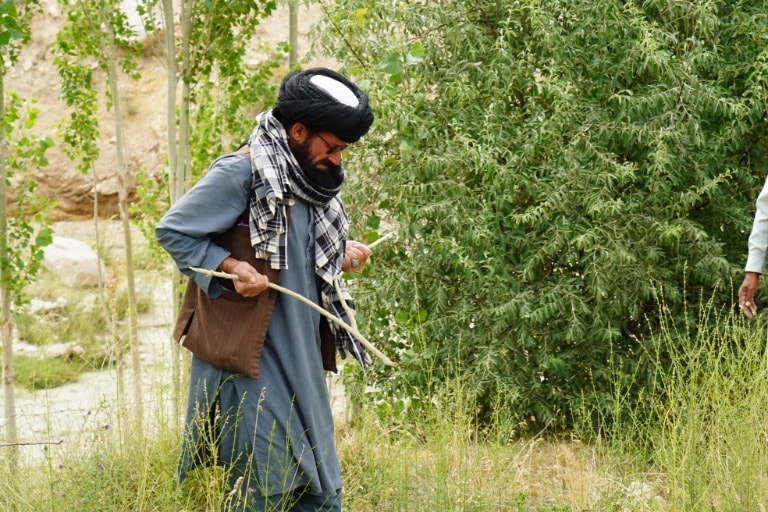
© Feda Wardak, Jeghatu district, Afghanistan, 2023. Youssouf is a dowser whom I have been working with for years. Using a dowsing rod and the magnetism that operates between it and the groundwater, he searches for veins of water that run through the rocks of the Afghan subsoil.
Architecture & Patrimoine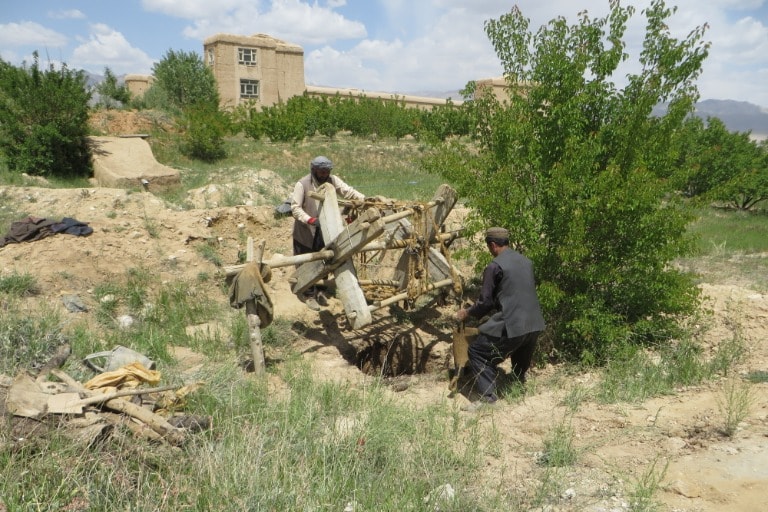
© Feda Wardak, Jeghatu district, Afghanistan, 2015. Restoration of a karez gallery in the village of Mama. These millennia-old water galleries allowed water to be conveyed through underground channels, from the mountains to fertile lands.
Architecture & Patrimoine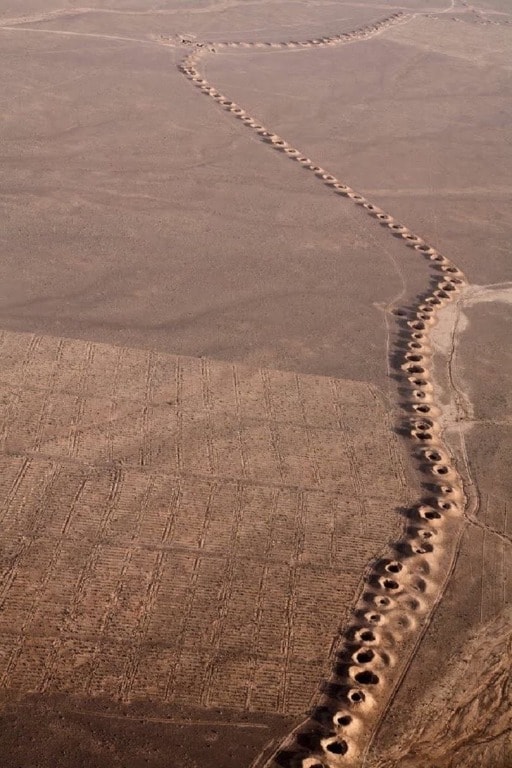
© All rights reserved. Aerial view of a karez gallery.
Architecture & Patrimoine