The themes
Architecture & Heritage
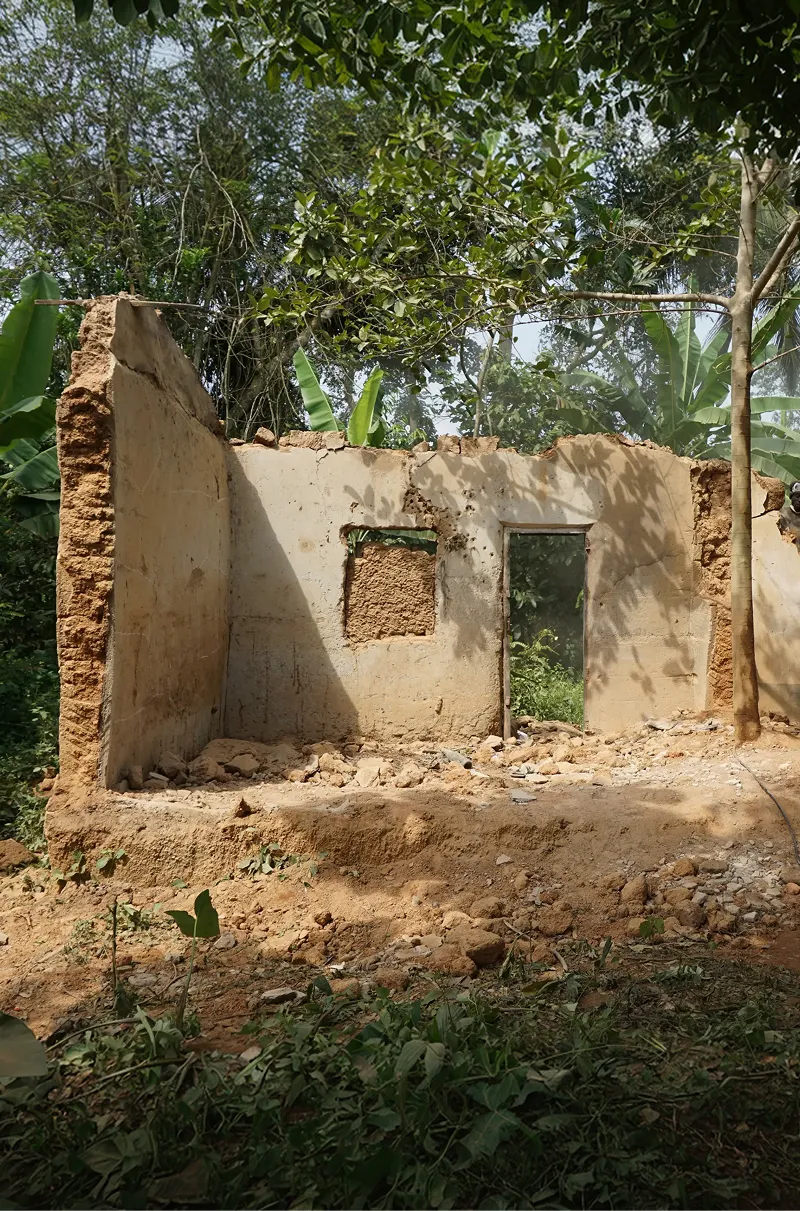
Architecture plays an important role in The Harvest Season. Although he is not an architect, Ibrahim Mahama has been interested in it for a long time, particularly from a heritage perspective. Since the 2010s, he has covered several modernist buildings with his jute weaves, first on his university campus and then in Accra and abroad. In his work, architecture thus becomes a medium for questioning the history, memory and utopias with which these buildings are associated.
In the young Ghanaian nation at the end of the 1950s, architecture, like art, was mobilized to assert the country's influence. After independence in 1957, architecture contributed to the construction of the image of a modern and independent Ghana. Tropical modernism, developed in India and several West African countries beginning in the 1940s, sought to adapt modernist principles to hot climates. It was based in particular on natural ventilation, protection from the sun, and the circulation between indoor and outdoor spaces, through louvered shutters, awnings, or brise-soleil.
In Ghana, this movement took on a particular dimension after independence. Local and international architects then worked to create architecture adapted to the climate and local conditions. KNUST, where Ibrahim Mahama and several artists featured in the exhibition have taught or studied, became an important site for these experiments in the 1960s and 1970s. Architecture then contributed to the construction of a new national identity, in a context marked by Pan-Africanism and the desire to transcend the borders inherited from colonization.
Nkrumah Volini, the third center opened by Ibrahim Mahama in 2022 east of Tamale, is directly connected to this history. It is housed in a former grain silo with brutalist architecture, built shortly before the ousting of Kwame Nkrumah. The building, which had never really been used, stands as a testament to the modernist project associated with Ghana's first president. In Dagbani (a language spoken in the north of the country), “Nkrumah Volini” means “the void left by Nkrumah”, in reference to the years of political instability that followed his removal from office in 1966. By transforming this building into an art center, Mahama reactivates an architectural heritage linked to an important period in the country's history.
© Thibaut Voisin 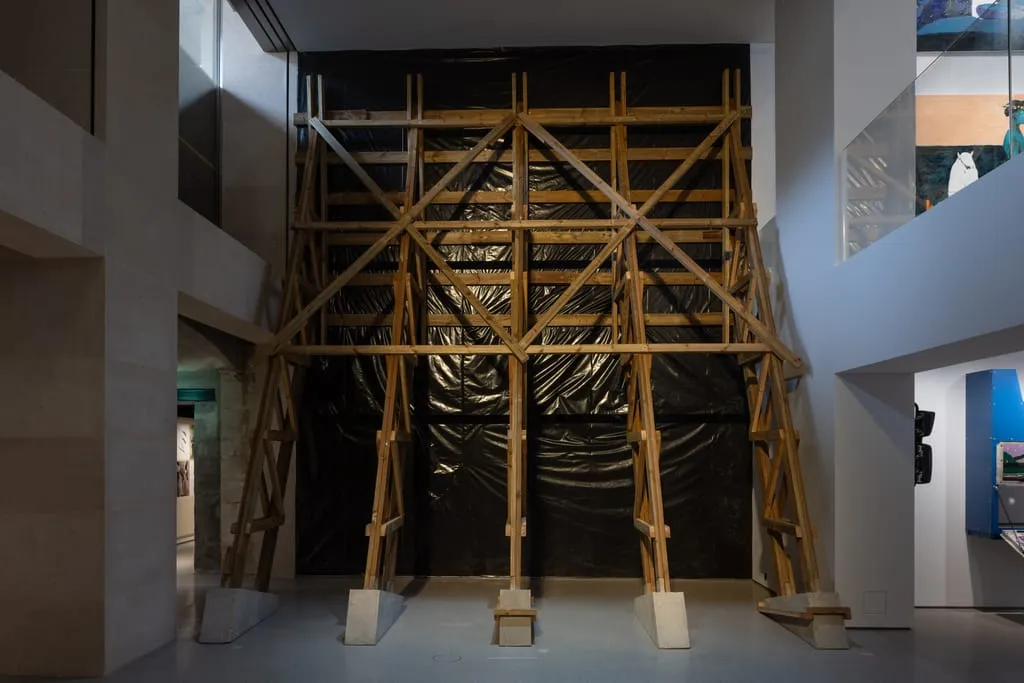
© Thibaut Voisin 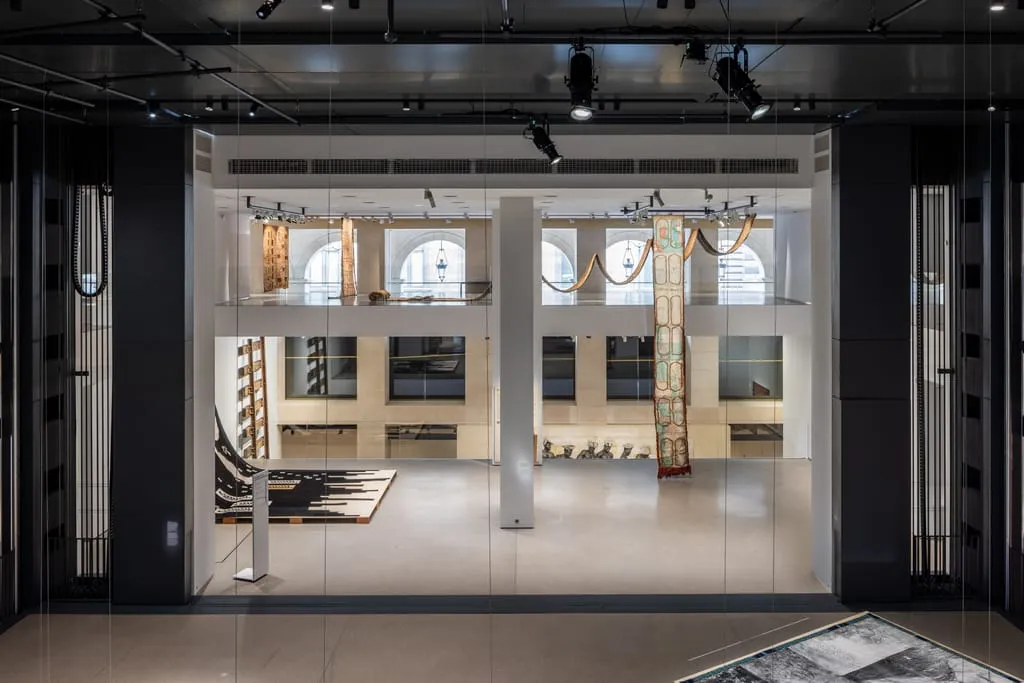
© Thibaut Voisin
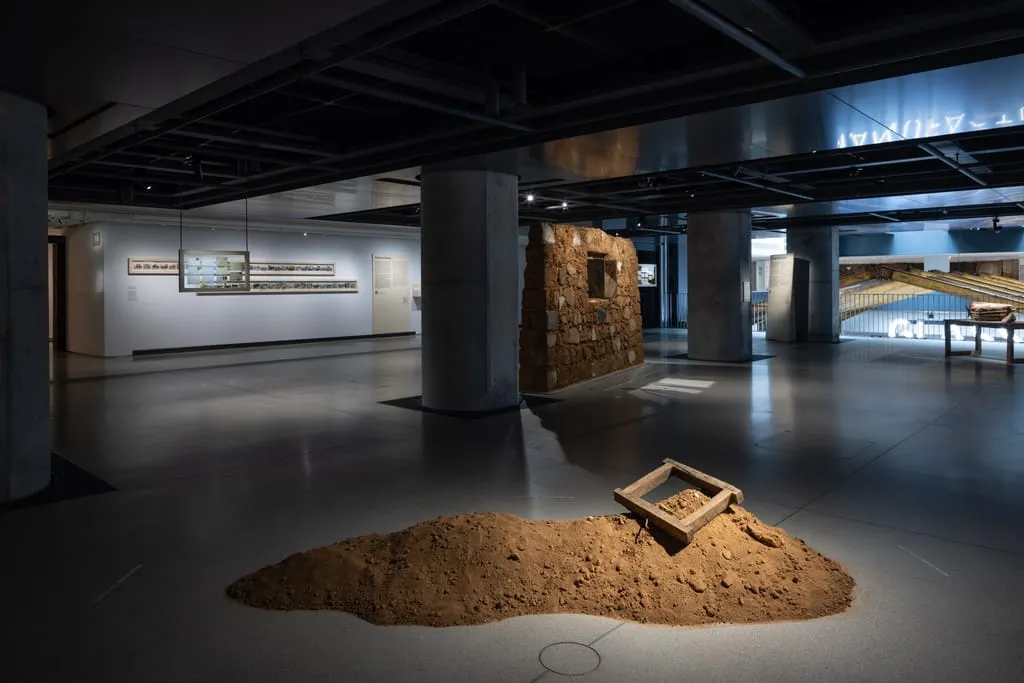
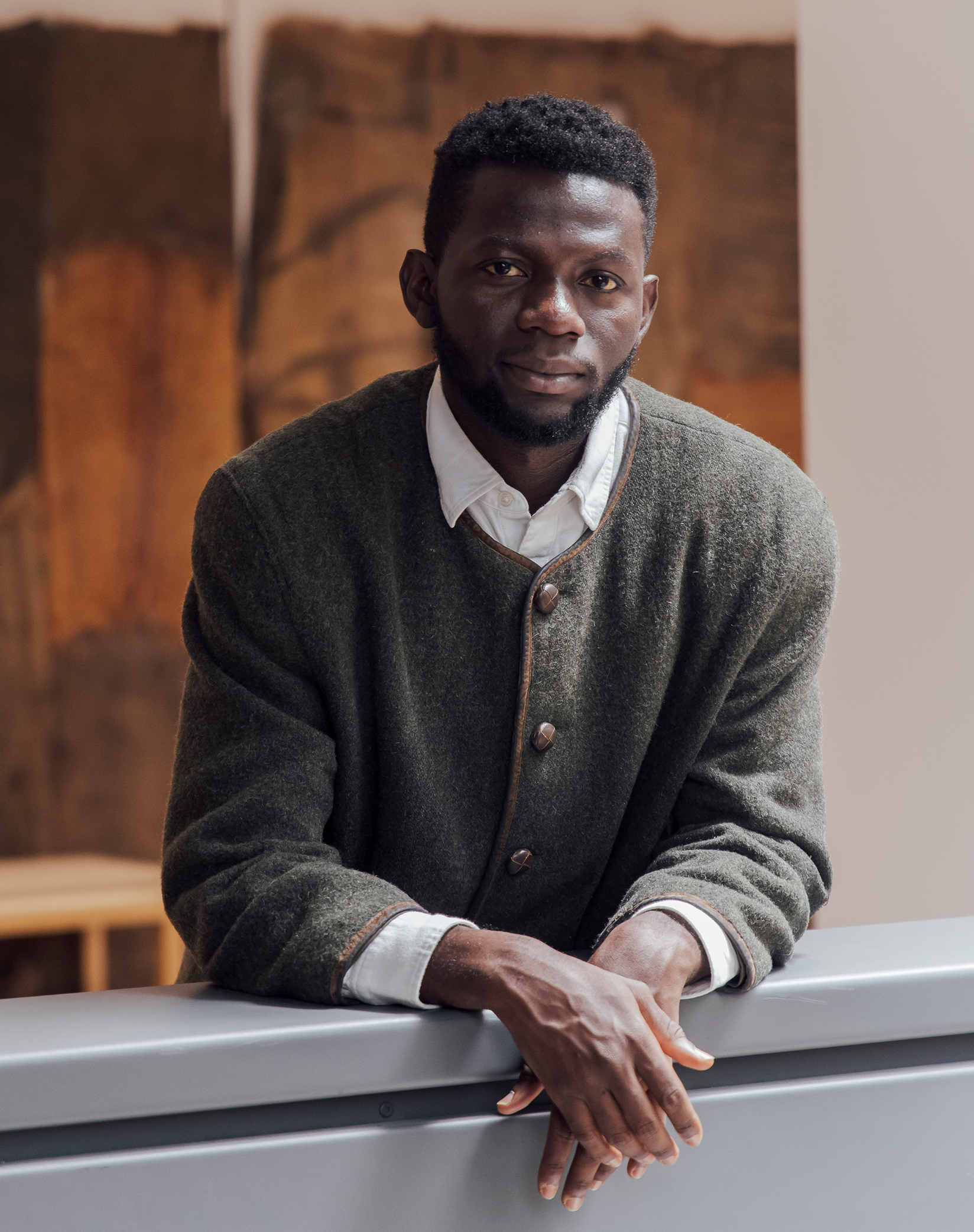
The exhibition thus brings together two architects, Courage Dzidula Kpodo and Feda Wardak, whose practices broaden this reflection, notably by setting modernist architecture alongside vernacular architecture.
Architecture & Heritage
© Cyril Marcilhacy 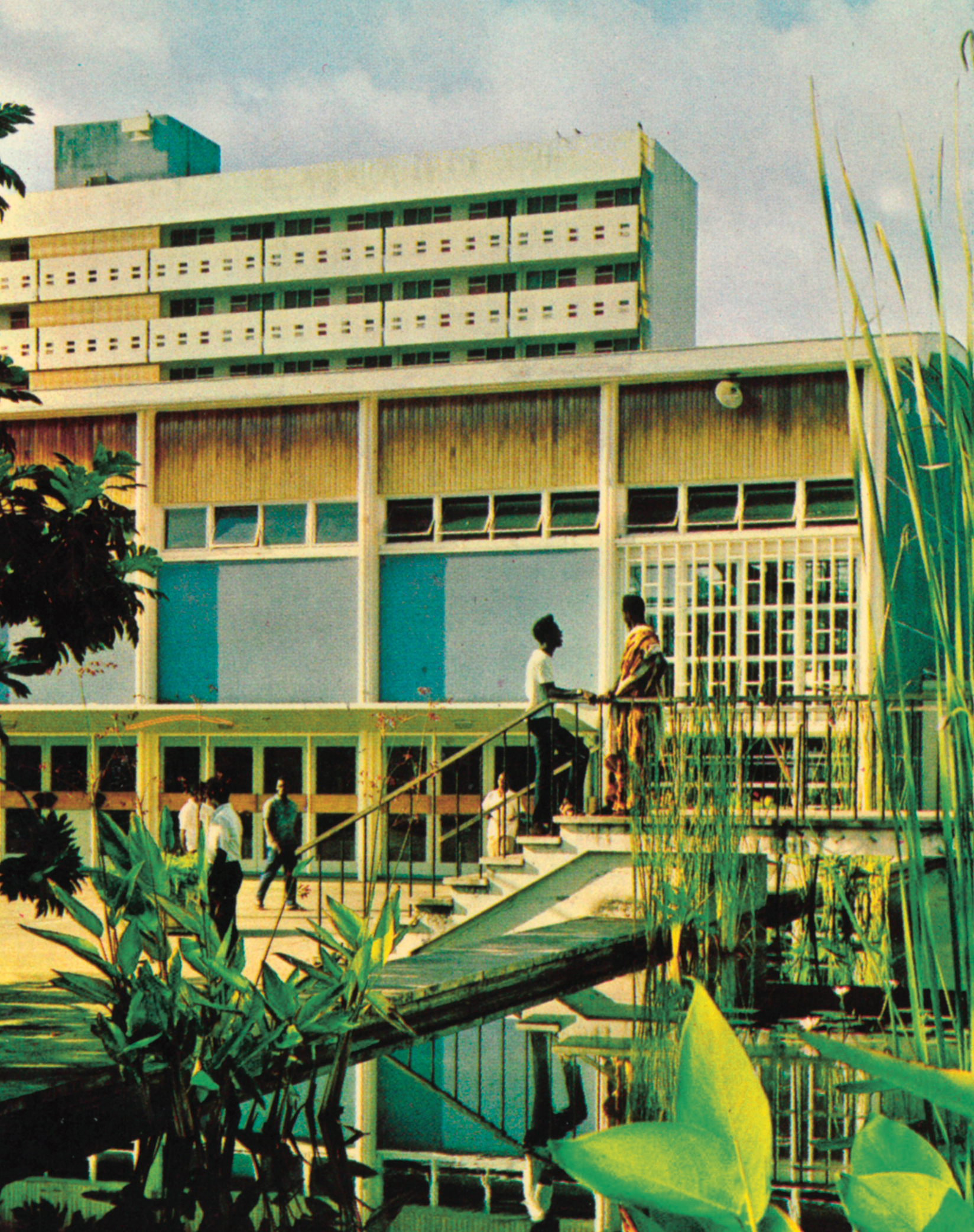
© Cyril Marcilhacy 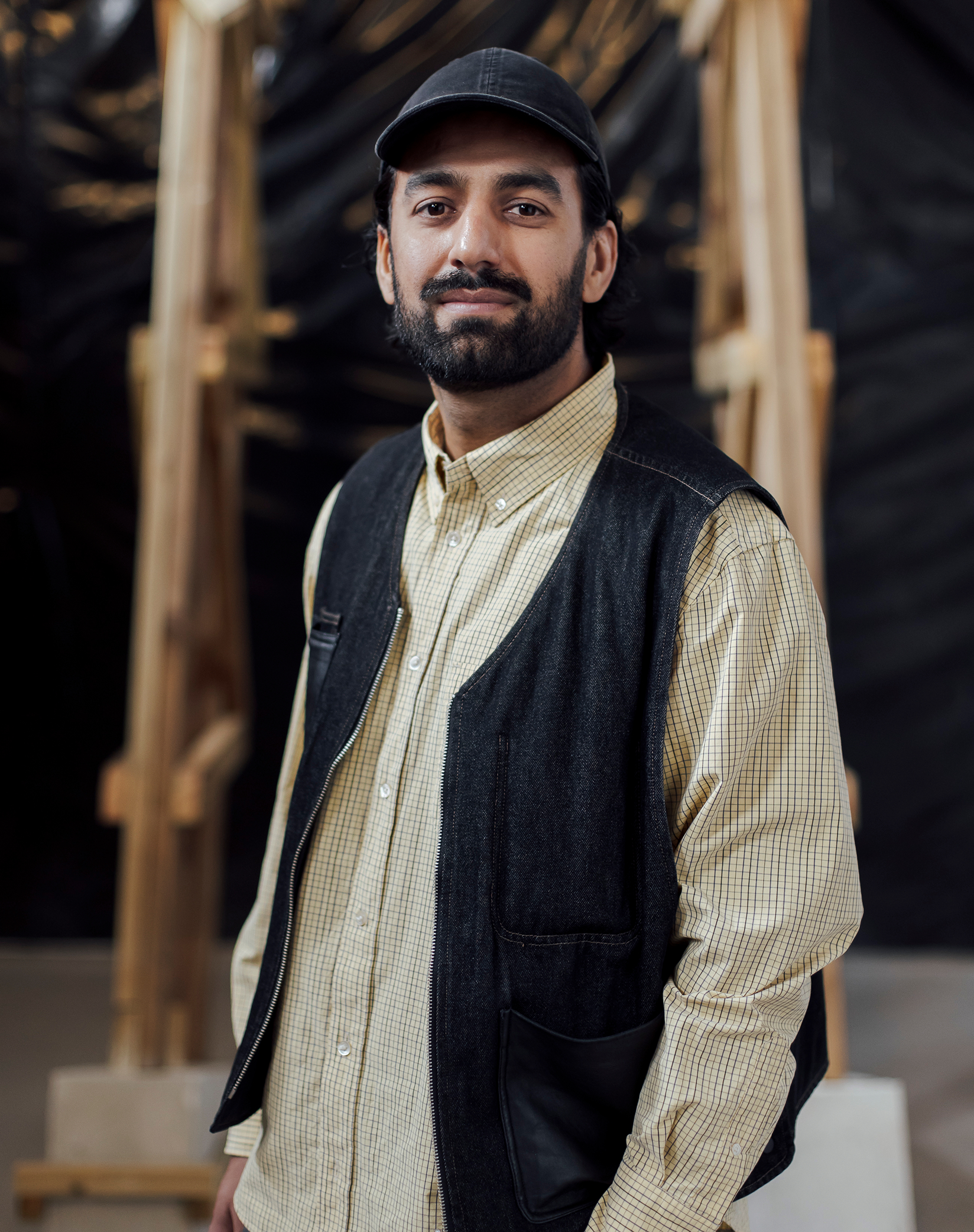
© Cyril Marcilhacy
Close to Our Early Plans, Postbox Ghana, a collective co-founded by Manuela Nebuloni, Courage D. Kpodo and Nana Ofosu Adjei, presents a selection of postcards and stamps dating from the 1950s to the 1980s. The selection features images of some of the iconic buildings of modern Ghana, such as the Meridian Hotel in Tema, Black Star Square in Accra or the Komfo Anokye Teaching Hospital in Kumasi. Through this collection, Postbox Ghana brings together images that contributed to building a visual memory of the country's architecture and urban landscape.
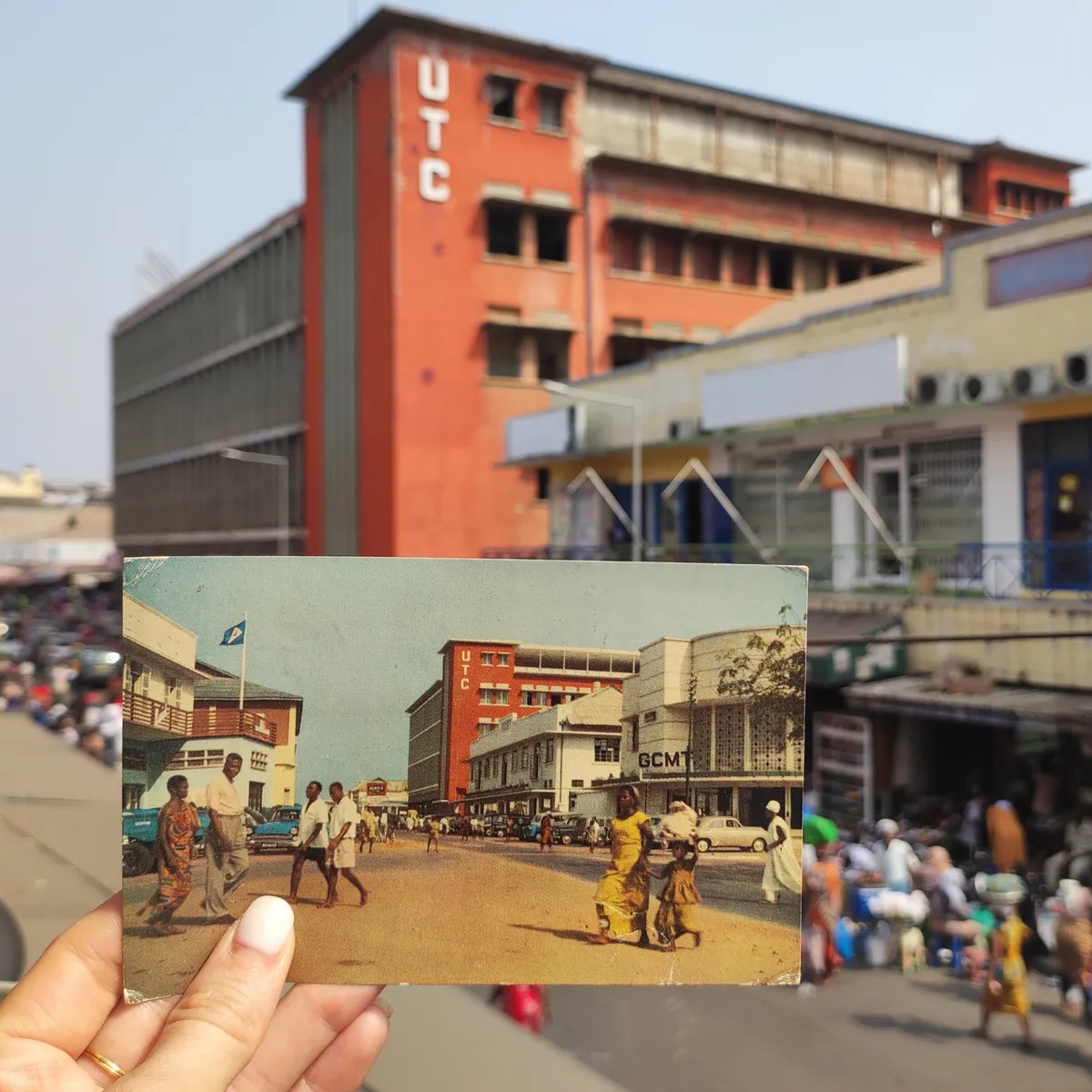
The collective is also interested in buildings and architectural traditions that have received less attention. This underrepresentation is particularly noticeable in the teaching of architecture at KNUST, where vernacular buildings and rural architectures occupy a limited place in the narratives passed down to students. Postcards thus show both what has been preserved in the collective imagination and what has been excluded from it.
Through one of the openings of Our Early Plans, the film The Beautiful Ones Always Were (2023) shows the effects of time on several reproductions of these postcards, presented in relation to buildings constructed during the independence period. Its title refers to the novel The Beautyful Ones Are Not Yet Born (1968) by the Ghanaian writer Ayi Kwei Armah, which deals with the disillusionments of the post-independence period. The film is also shot in Nkrumah Volini, where Postbox Ghana observes the deterioration of the images in the former silo and experiments with their dissemination in public space, notably at the Makola market in Accra.
The artists' fragments on the same theme
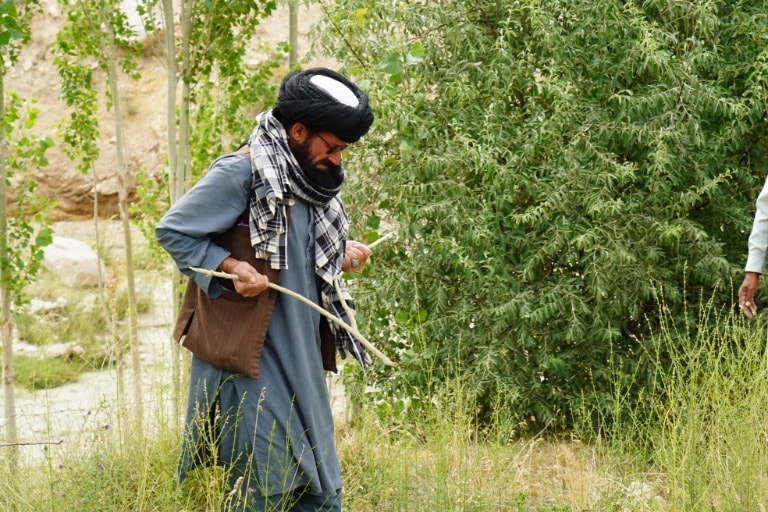
© Feda Wardak, Jeghatu district, Afghanistan, 2023. Youssouf is a dowser whom I have been working with for years. Using a dowsing rod and the magnetism that operates between it and the groundwater, he searches for veins of water that run through the rocks of the Afghan subsoil.
Architecture & Patrimoine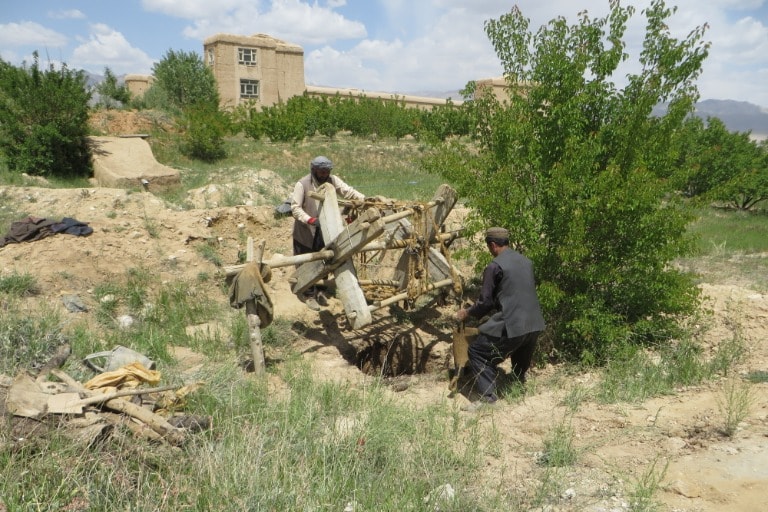
© Feda Wardak, Jeghatu district, Afghanistan, 2015. Restoration of a karez gallery in the village of Mama. These millennia-old water galleries allowed water to be conveyed through underground channels, from the mountains to fertile lands.
Architecture & Patrimoine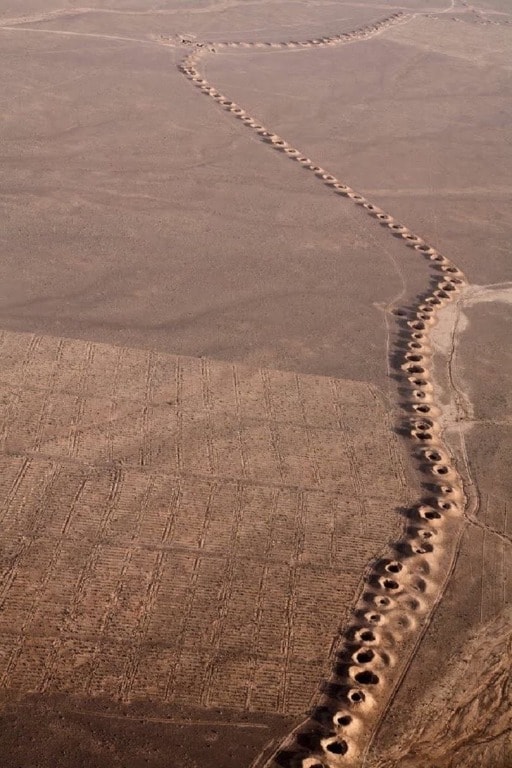
© All rights reserved. Aerial view of a karez gallery.
Architecture & Patrimoine