The themes
Collective utopias in a post-colonial world
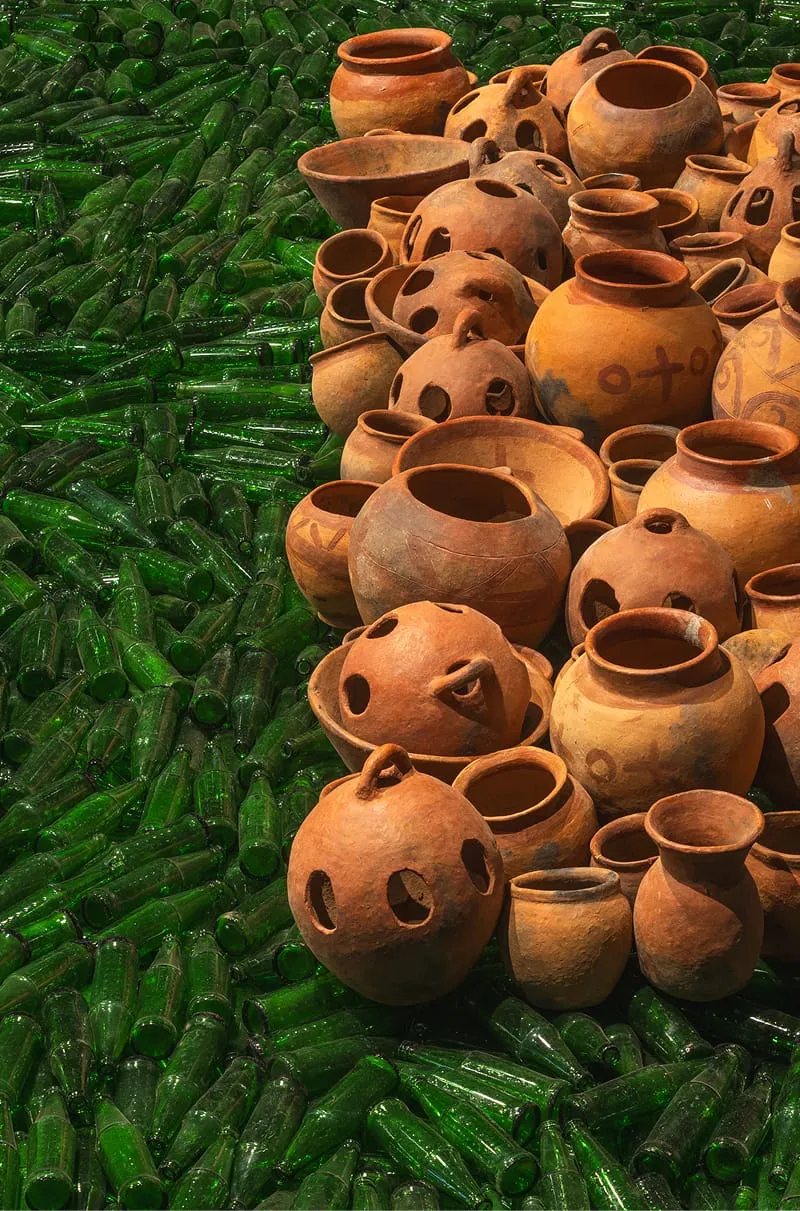
The history of modern Ghana is deeply connected to that of African independence and the ideology of Pan-Africanism. In 1957, the country became the first state in sub-Saharan Africa to free itself from British colonial rule under the leadership of Kwame Nkrumah. For him, independence had to be more than political: it also had to encompass culture, education, and the ability of African societies to imagine their own future. This Pan-African ambition has left a lasting mark on Ghana's artistic and intellectual landscape.
It is within this legacy that Ibrahim Mahama's work is situated today. Born in 1987 in northern Ghana, the artist develops a practice that interrogates the traces left by colonization, but also the unfinished dreams of the post-independence era. Through monumental installations made from worn burlap, railway tracks, or abandoned industrial buildings, he transforms everyday materials into witnesses of a collective history. His works speak as much of global trade and colonial memory as of the hopes carried by previous generations.
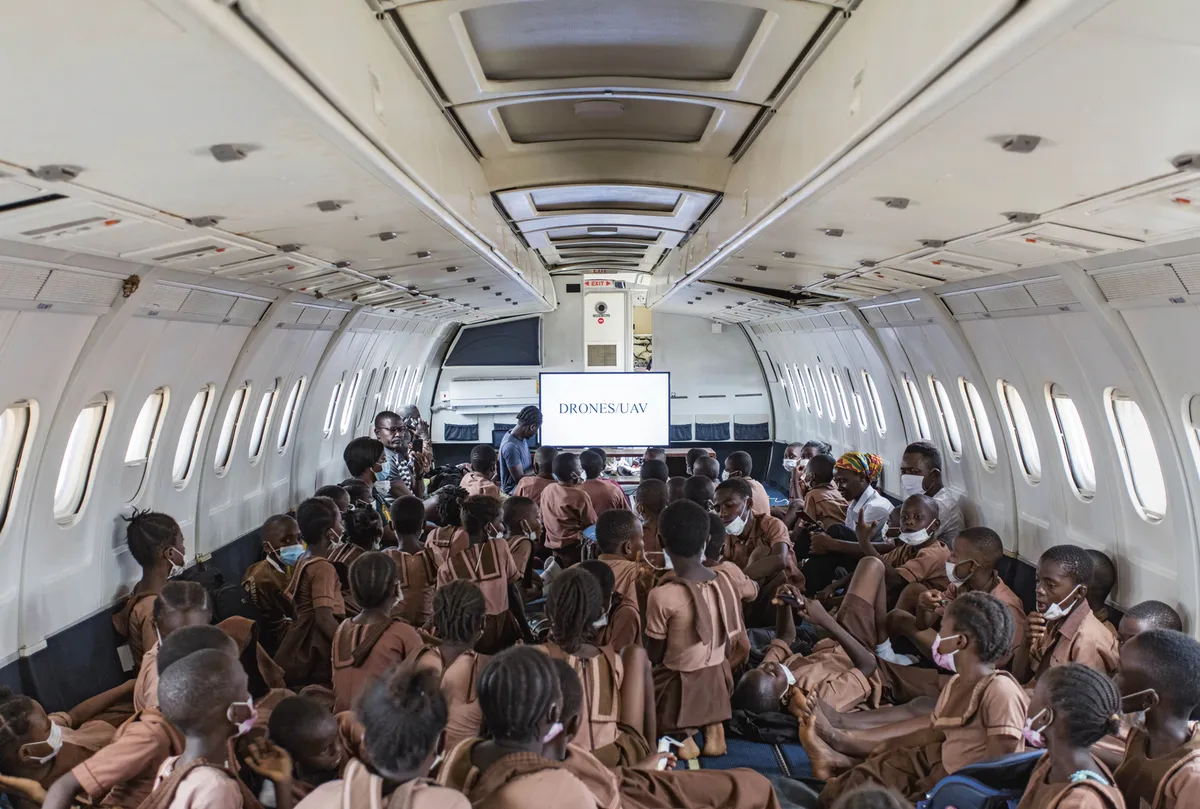
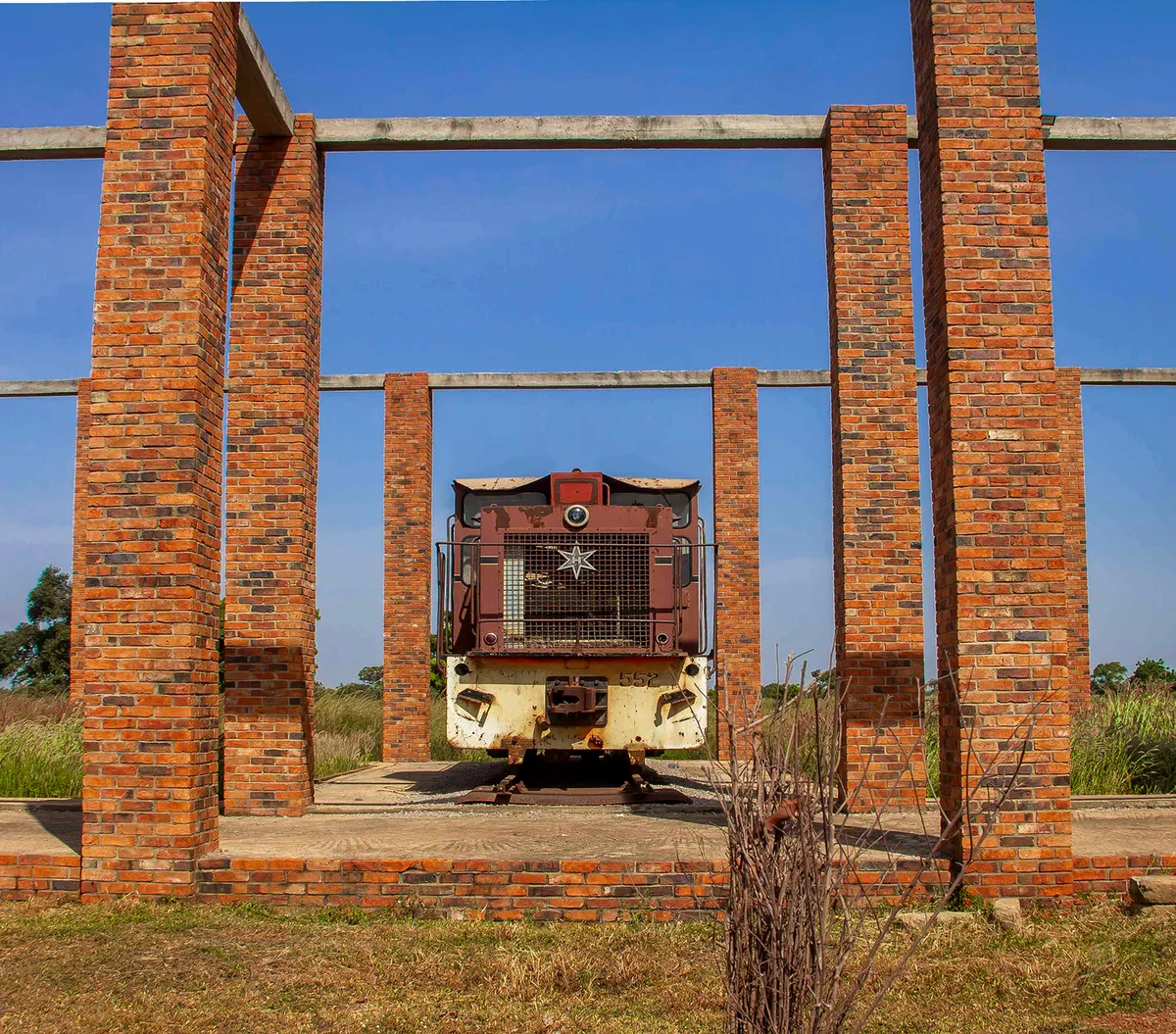
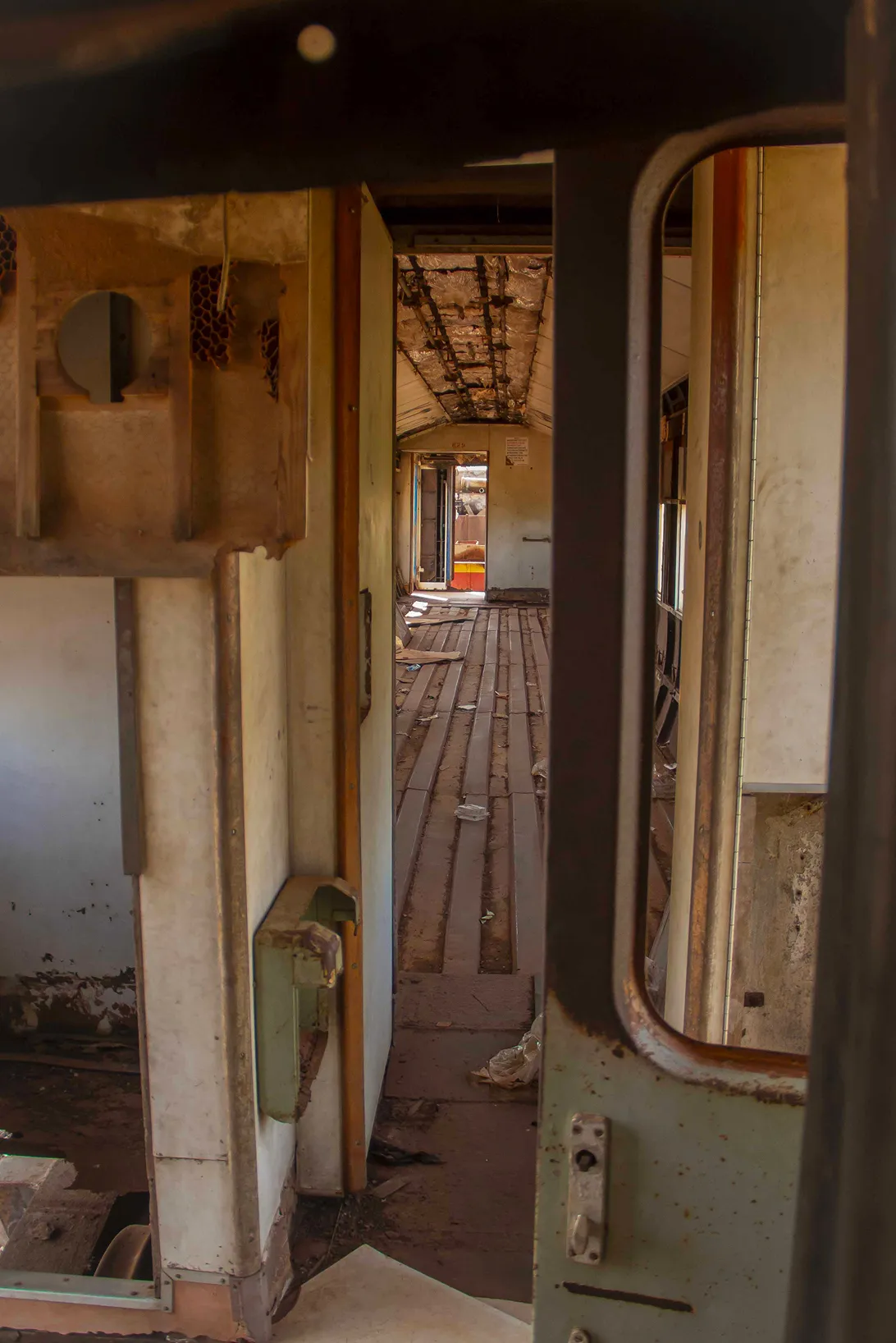
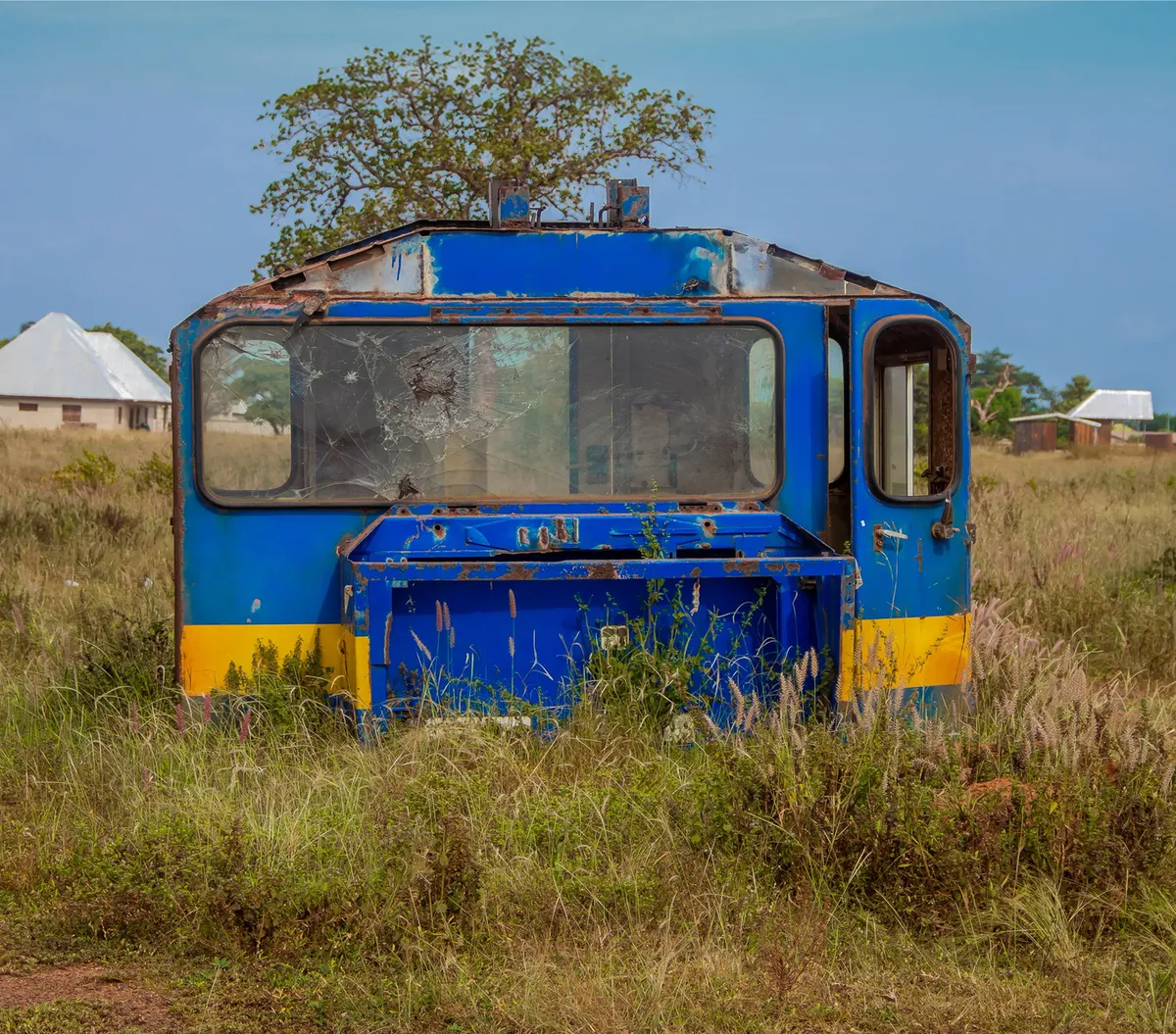
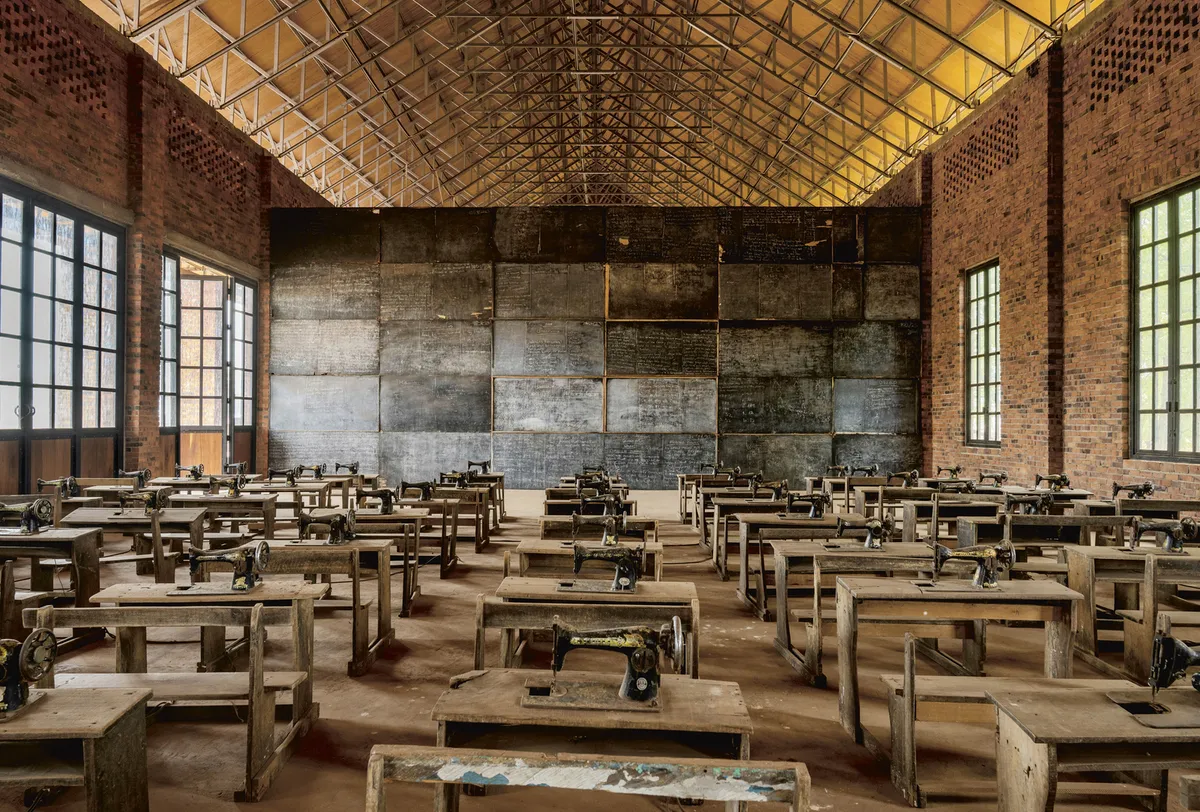
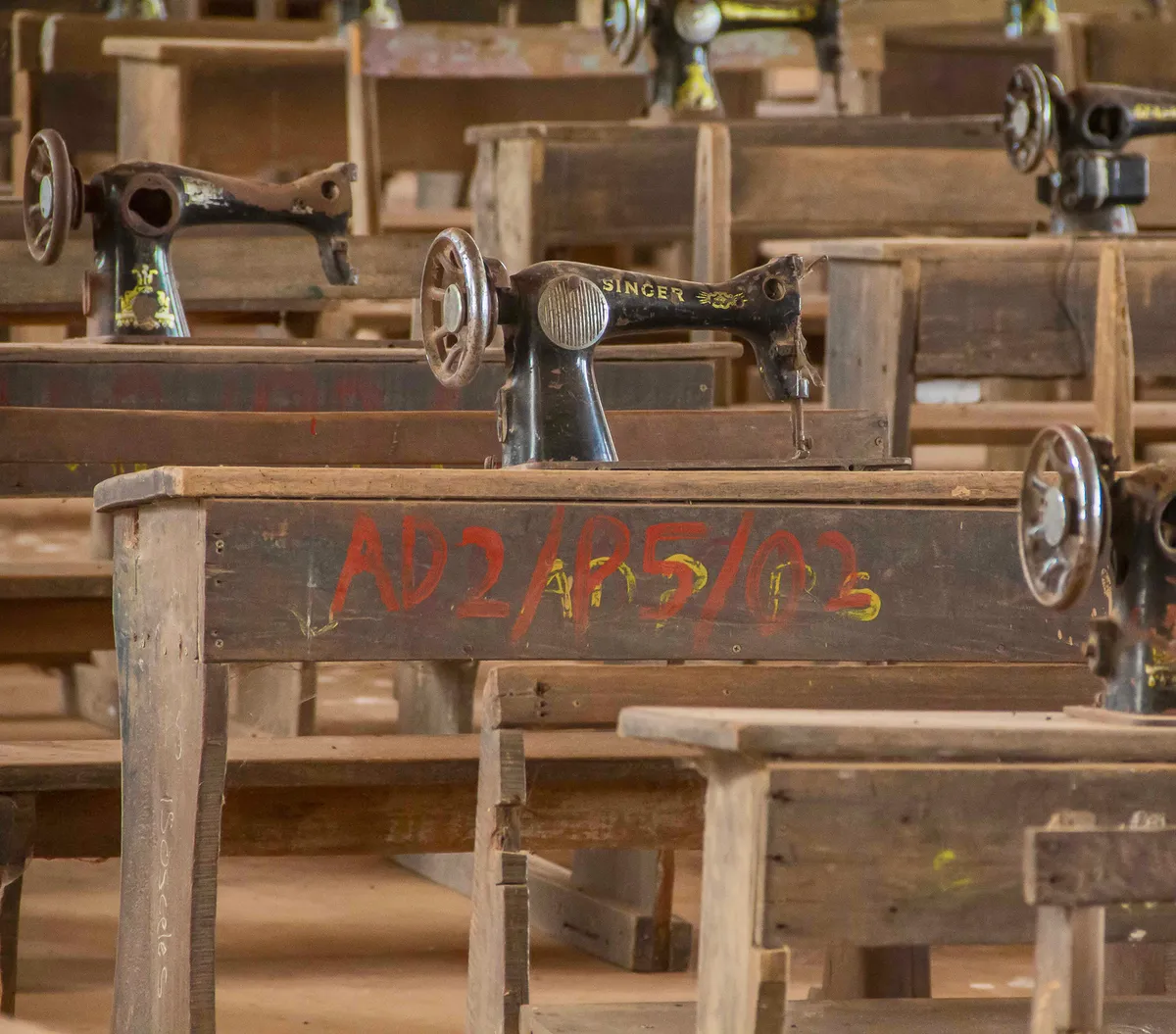
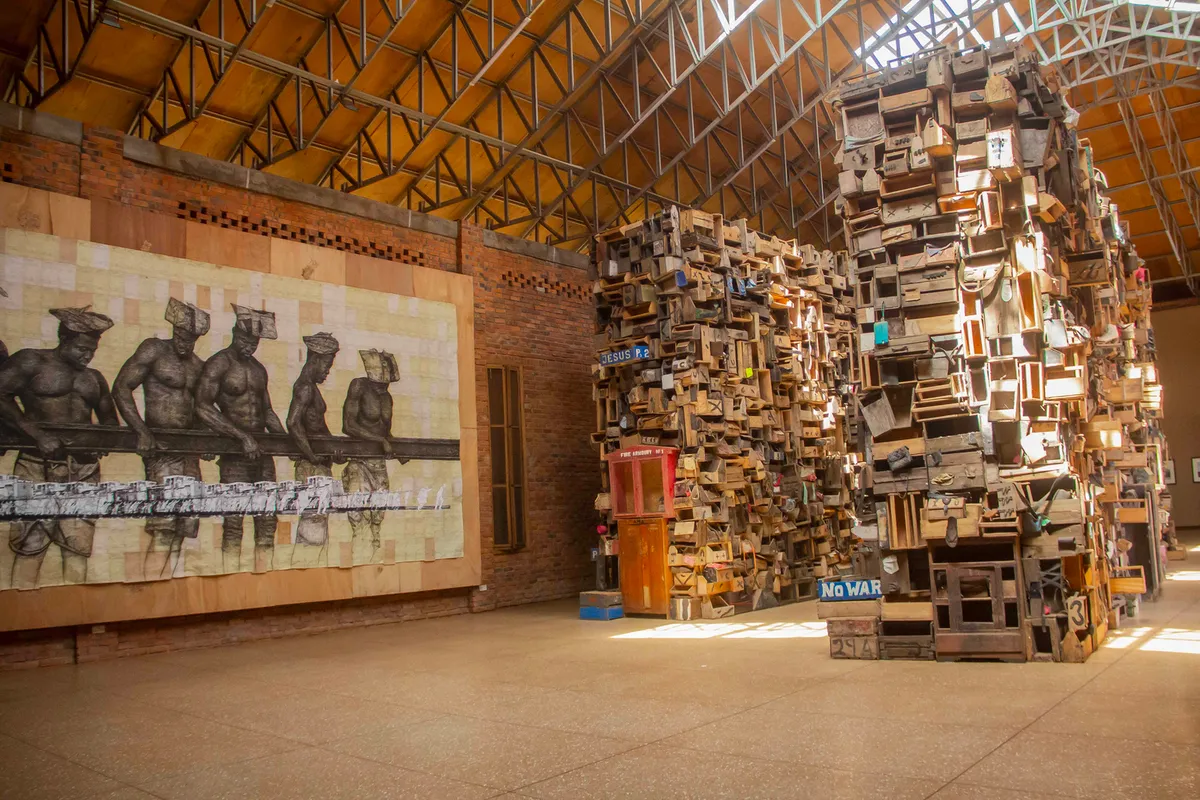
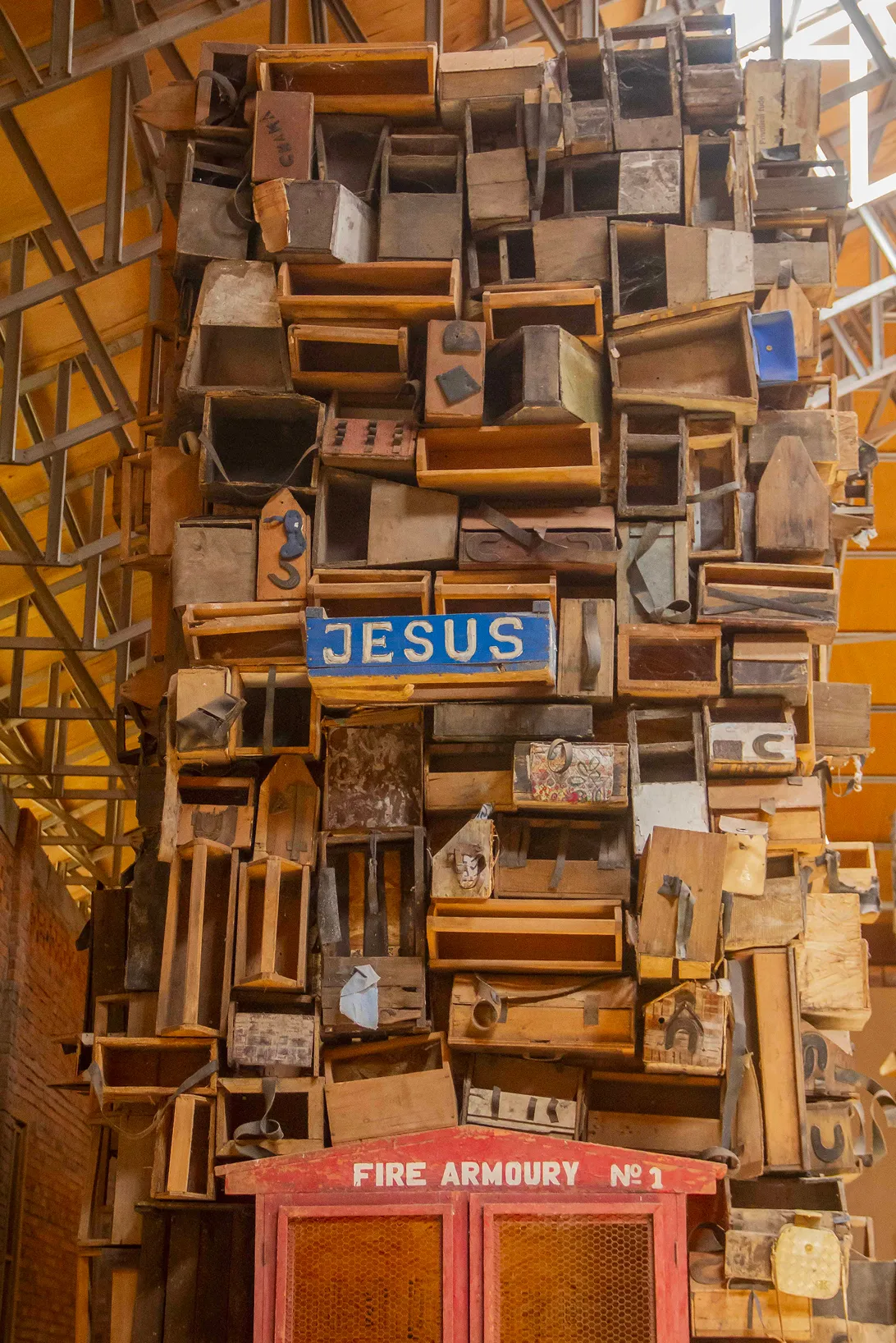
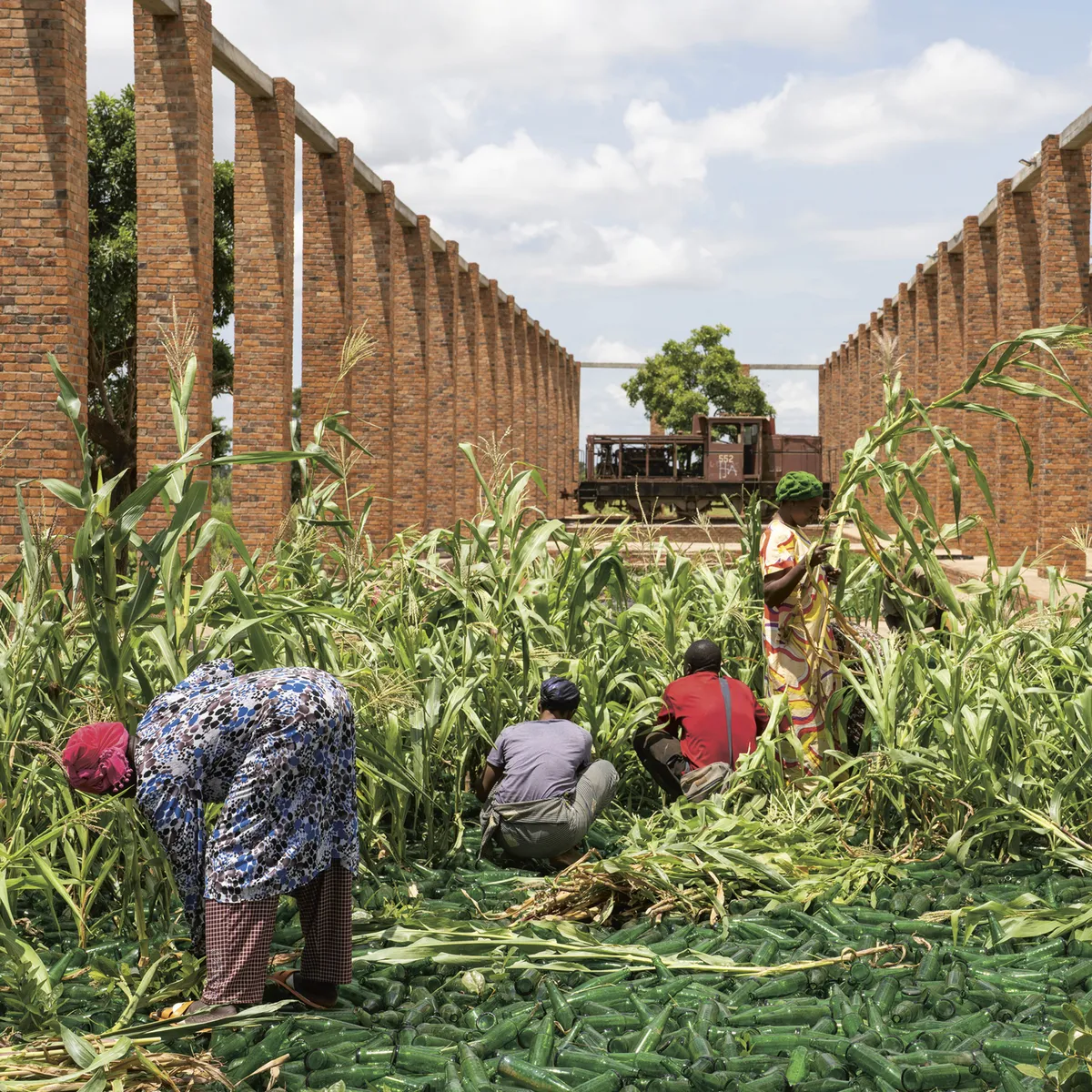
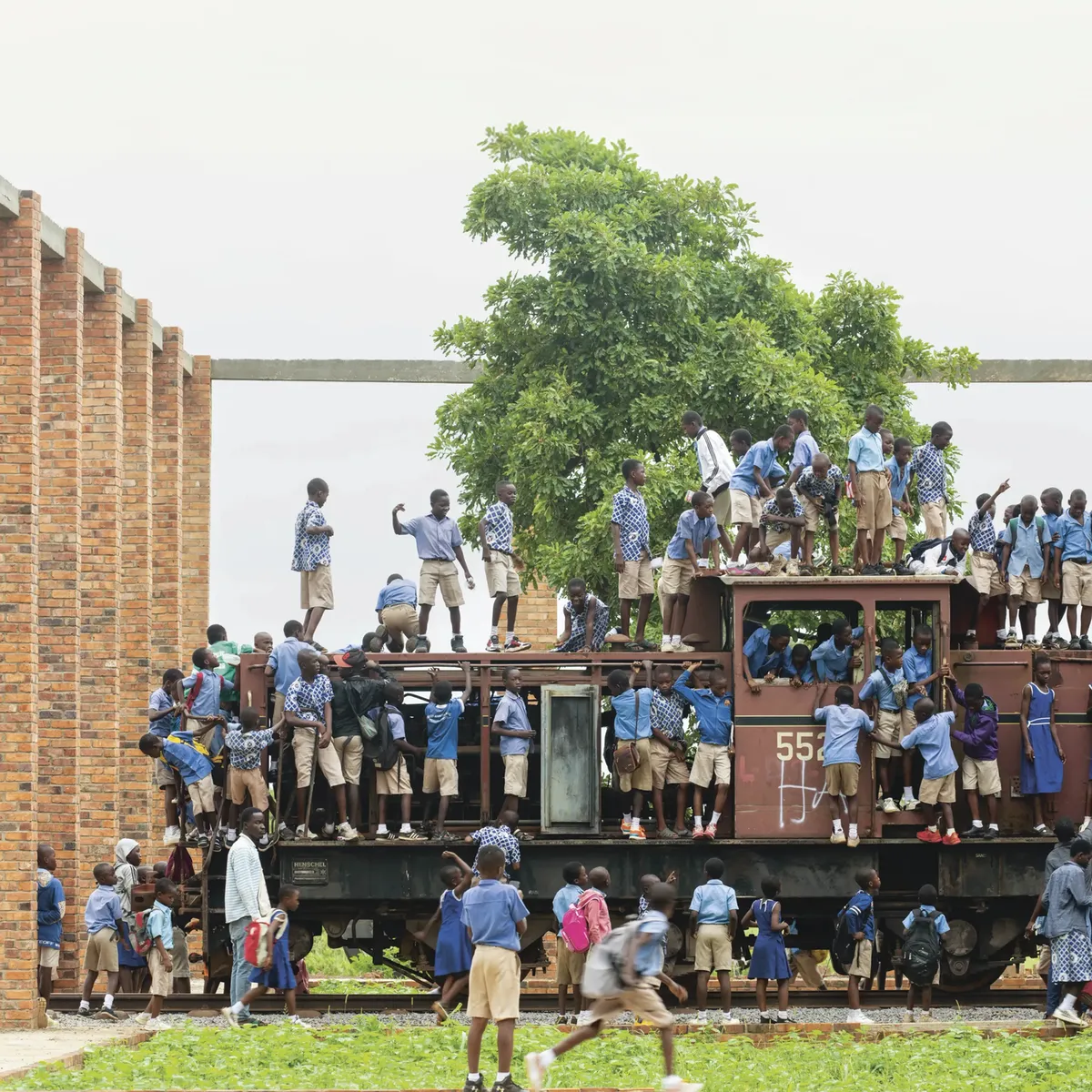
But Ibrahim Mahama does more than look to the past. His work also seeks to repair, reinvent, and transmit. In Tamale, his hometown, he has founded several art centers open to residents, students, and artists. These places host an artistic program of exhibitions, performances, and debates, as well as participatory workshops and archives from Ghana that he has been able to recover and preserve. Here, art becomes a collective, accessible, and living tool, capable of creating dialogue and new forms of sharing.
This exhibition thus shows how contemporary artists are reclaiming postcolonial history to imagine other possible futures. For Ibrahim Mahama, industrial ruins, forgotten objects, or abandoned institutions are never symbols of nostalgia. They become starting points for reconstructing narratives, knowledge, and communities. His work proposes a vision of the future founded on memory, cooperation, and the capacity of each person to participate in transforming the world.
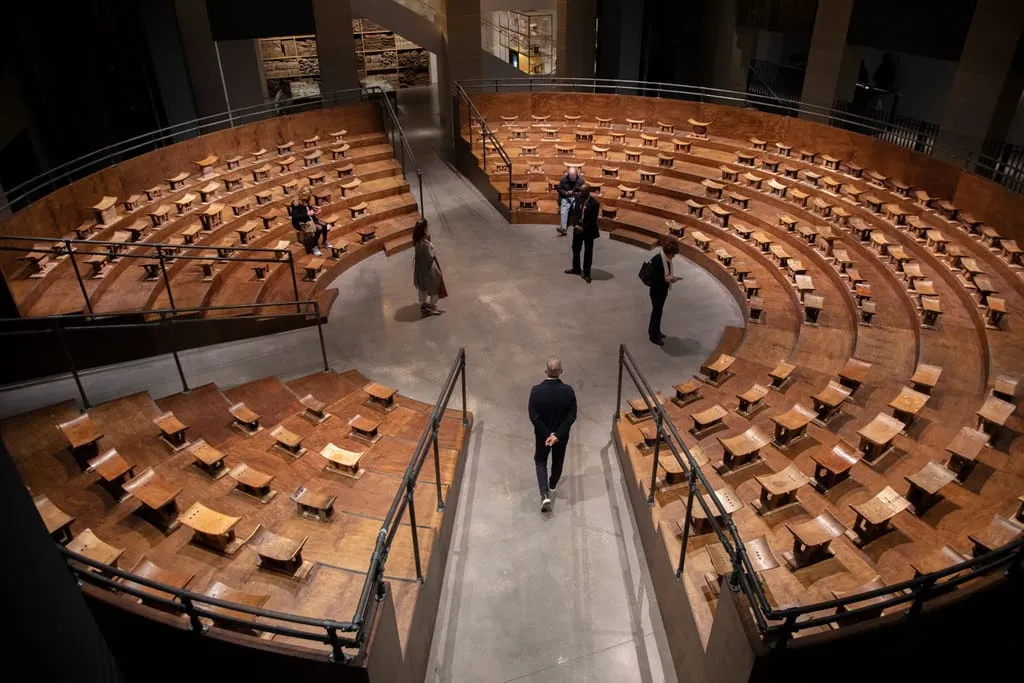
© Michel Slomka 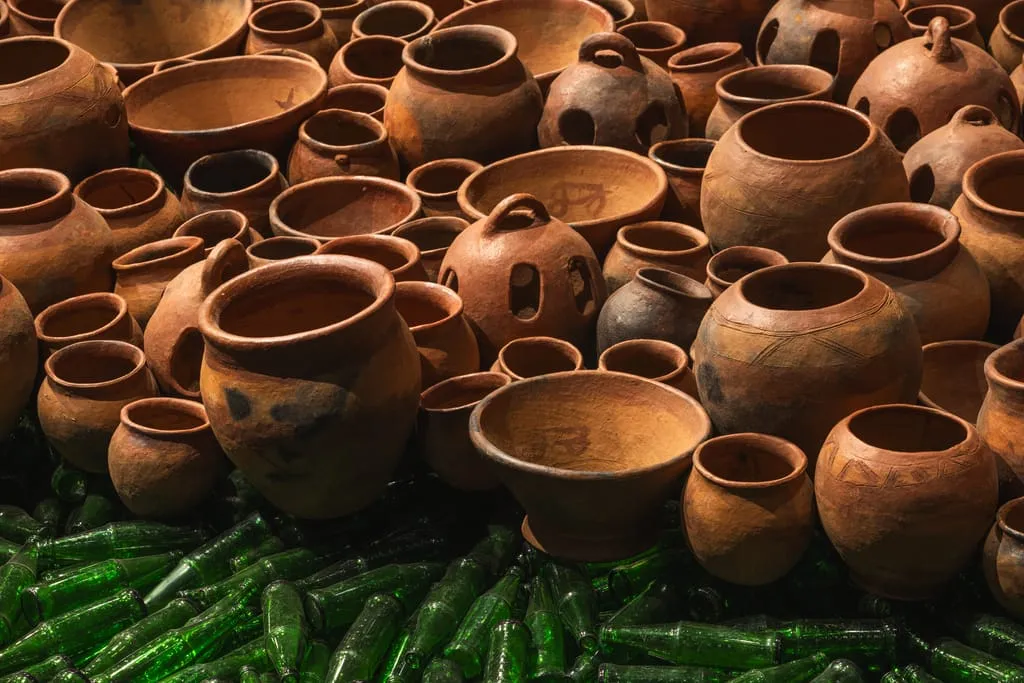
© Thibaut Voisin 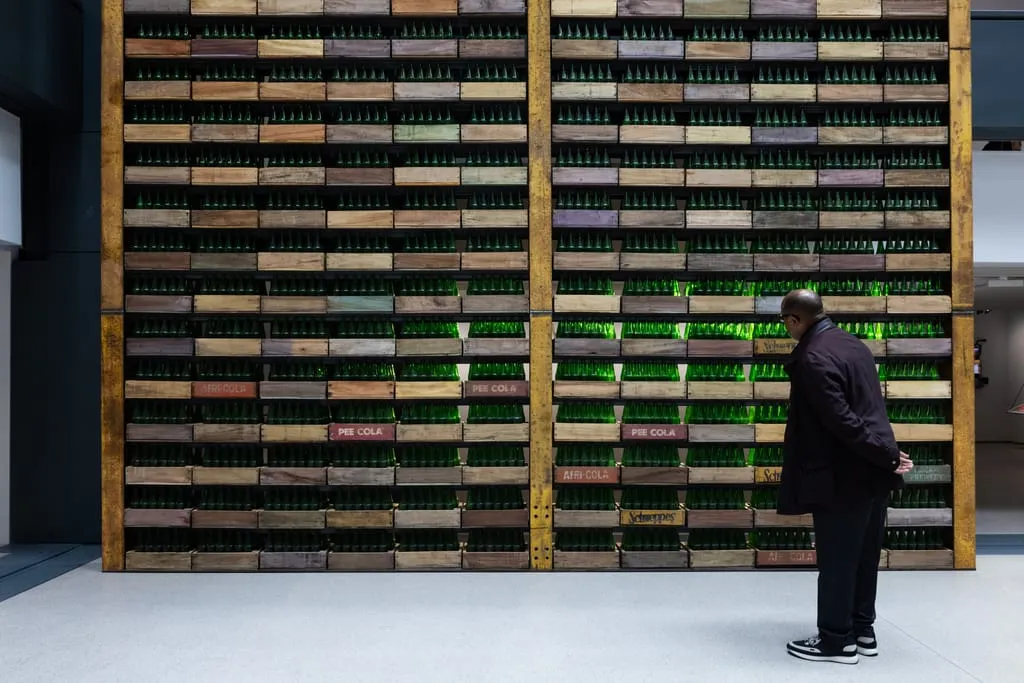
© Thibaut Voisin
"Our aim must be to create a society that is not static but dynamic, a society in which equal opportunities are guaranteed for all.
By revisiting Kwame Nkrumah's ideals through art, Ibrahim Mahama ultimately reminds us that creation can be a political and collective act. His work invites us to consider the postcolonial not as a period focused on the past, but as a space for active reflection on what African societies could become today and tomorrow.
Fragments posted by artists associated with this theme
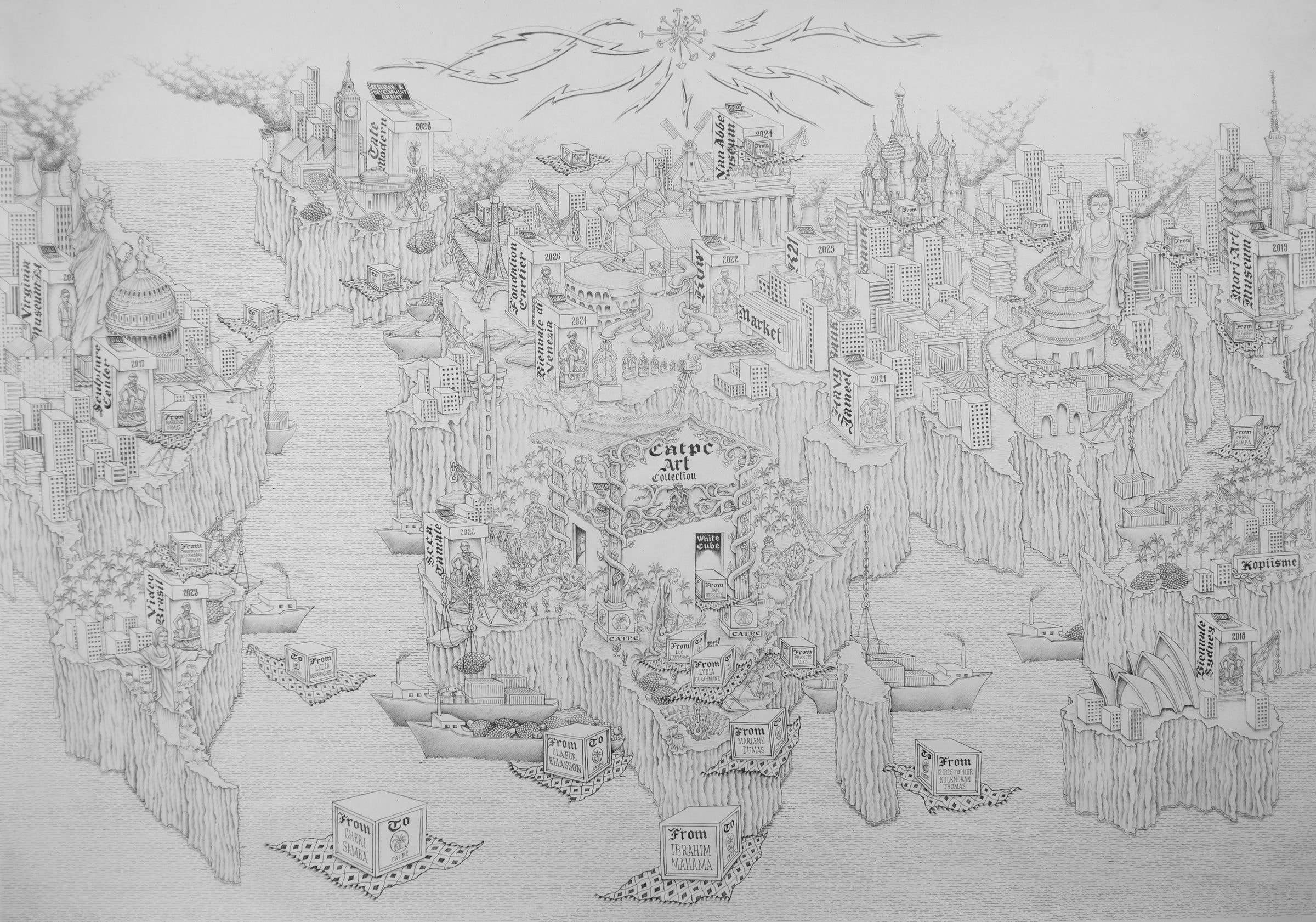
This is the CATPC art collection, the first art collection owned by plantation workers in the world. Why do we have an art collection? Why do we want to have an art collection? It is because our art, our work, sorry, in the plantations, our sweat and our blood and that of our ancestors has long been used to finance museums and art around the world. Now that we, the plantation workers too, are interested in art, we have become artists. We also found that it is a return to justice, a return to normal, that we who financed everything at the outset involuntarily can also have our own collection. And for this, several artists, ten artists, agreed to contribute to our art collection. We name here Yan Dibeth, Marlène Dumas, Chéri Samba, Ai Weiwei, Lic Taï-Man, Olafur Eliasson, Francis Alÿs, Sandra Mujinga, Lydia Ourahmane, Christopher Kulendran Thomas. And next year, there will be another ten artists added. And the collection will be growing every day to help us, to accompany our efforts to revive the sacred forest that had been eradicated, that had been damaged, that had been erased to be replaced by oil palm monoculture which destroyed our lands and rendered them arid.
Utopies collectives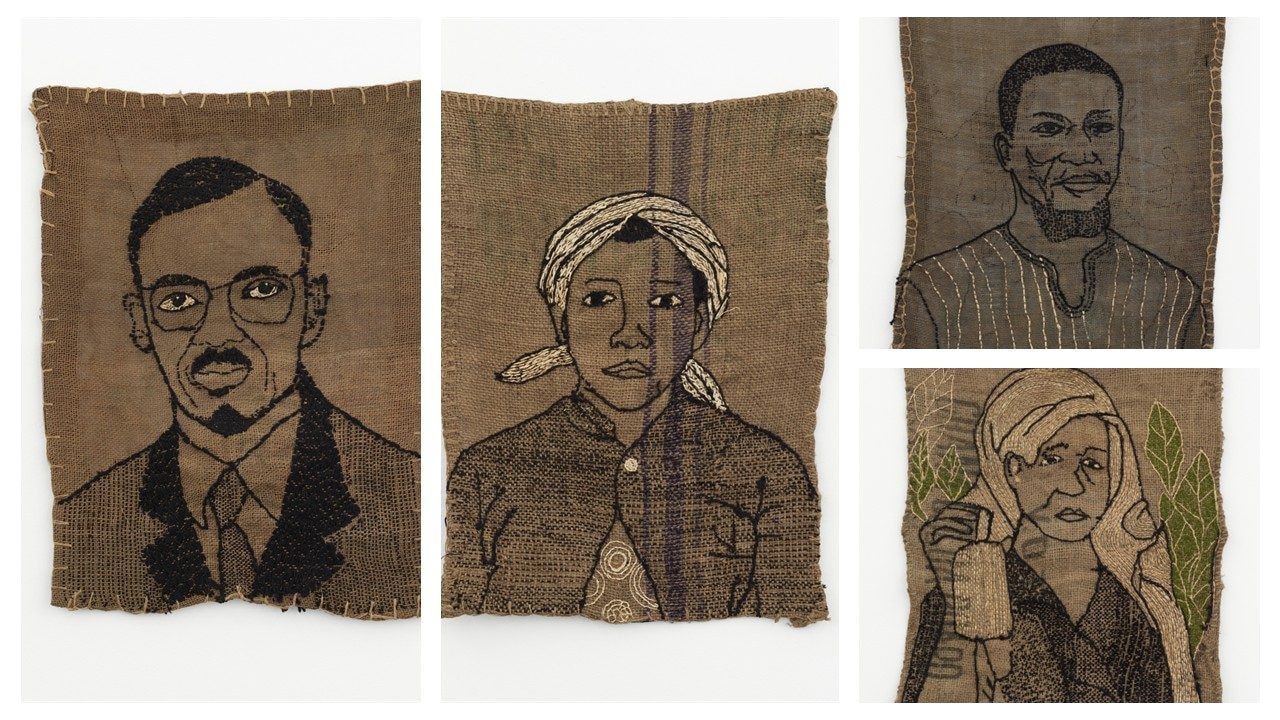
Here are the fighters of the resistance. A work of art that we created from the cocoa jute sacks that Brother Ibrahim brought to us in Lusanga, with which we covered our museum, the Y Cube, for the Judgment of Y Cube exhibition in 2022. So these very jutes were a legacy from the jutes that Brother Ibrahim brought to us in Lusanga. We took that, we made another work. For us, it is a legacy that Brother Ibrahim bequeathed to us so that we may inspire further works, and we will continue to pay tribute to all the fighters of the resistance on the planet who fought for their freedom. Yango.
Utopies collectives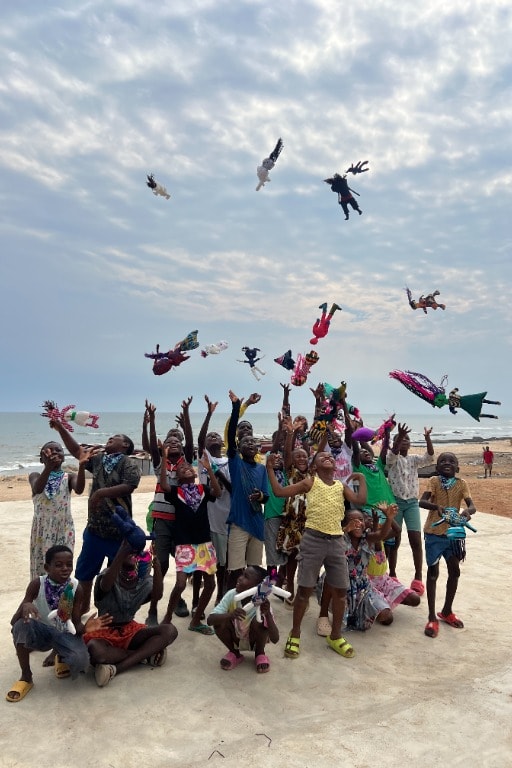
My latest series, titled 'Give Me Back My Black Dolls' is a multidimensional inquiry into the impact of Western beauty standards on children, departing from my work with Ghanaian school children. This project mixes artistic sensibilities with the methodology of a socio-cultural study, seeking to illuminate the biases, thoughts, and beliefs harboured by Ghanaian children as they engage with Caucasian and African dolls. Venturing beyond the bustling urban milieu of Accra, the project aspire to deconstruct and examine the monolithic perceptions often ascribed to Africa. Ghana, with its myriad ethnic groups, dialogues, religions, and beliefs, is a microcosm of diversity, defying reductionist portrayals. 'Give Me Back My Black Dolls' becomes a catalyst for the acknowledgment and celebration of cultural heterogeneity, unfolding in towns where cultural narratives are often overshadowed by mainstream simplifications. Departing from Africa, this project can find a strong and unique resonance wherever there are afro-diasporic communities. This project utilises and references community practice, the long history of black doll collections, doll-making workshops, and installations of bronze casting and expansive textile works. Bronze and fabrics, both important mediums within my practice, are used to explore the contemporary use of a traditional materials that are culturally and historically tied to West Africa.
Utopies collectives