The themes
Extractivism & industrial worlds
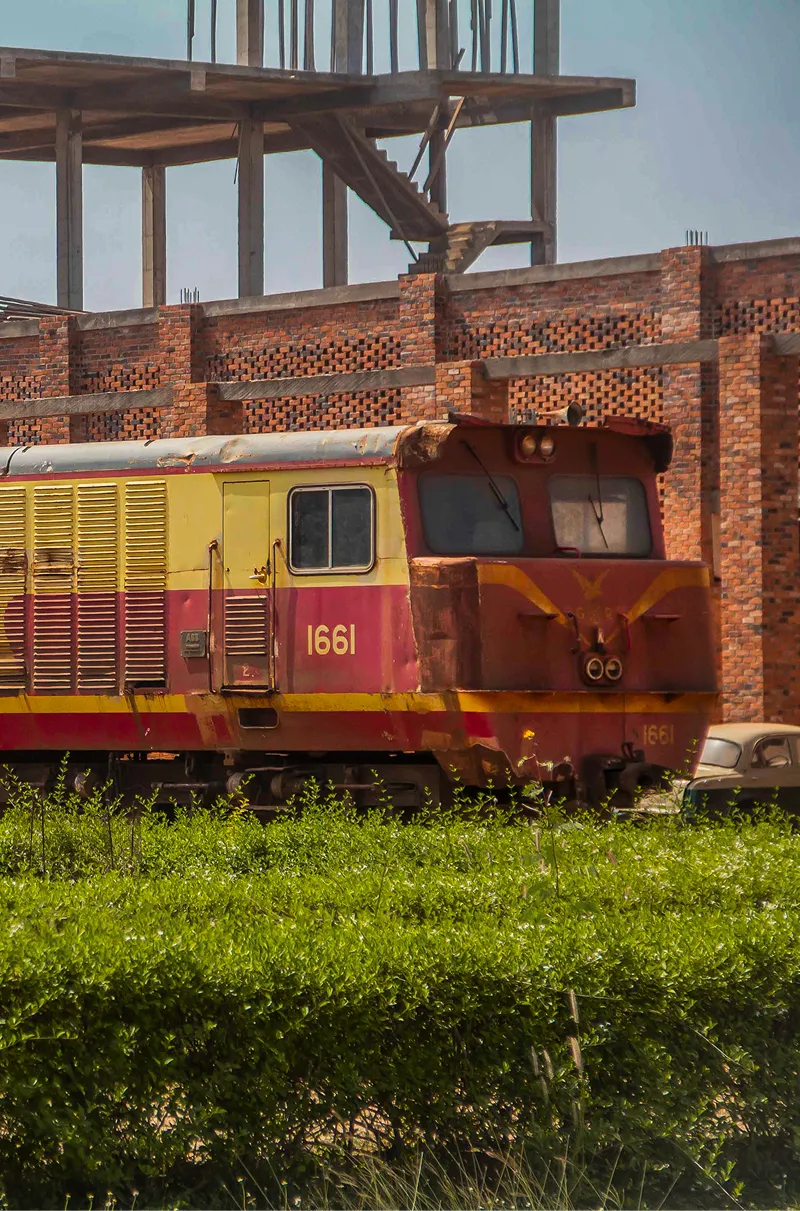
The issues surrounding extractivism as an economic system for exploiting a territory are explored by artists through the history of slavery and colonization, as well as rural and farming legacies shaped by the capitalist exploitation of natural resources, the constraints of agricultural labor, and the erosion of ancestral knowledge. In Ghana, but also in the Democratic Republic of the Congo, the cultivation and export of cocoa profoundly disrupted landscapes and agrarian economies, integrating these territories into international trade networks whose profits largely bypassed those who cultivated cocoa.
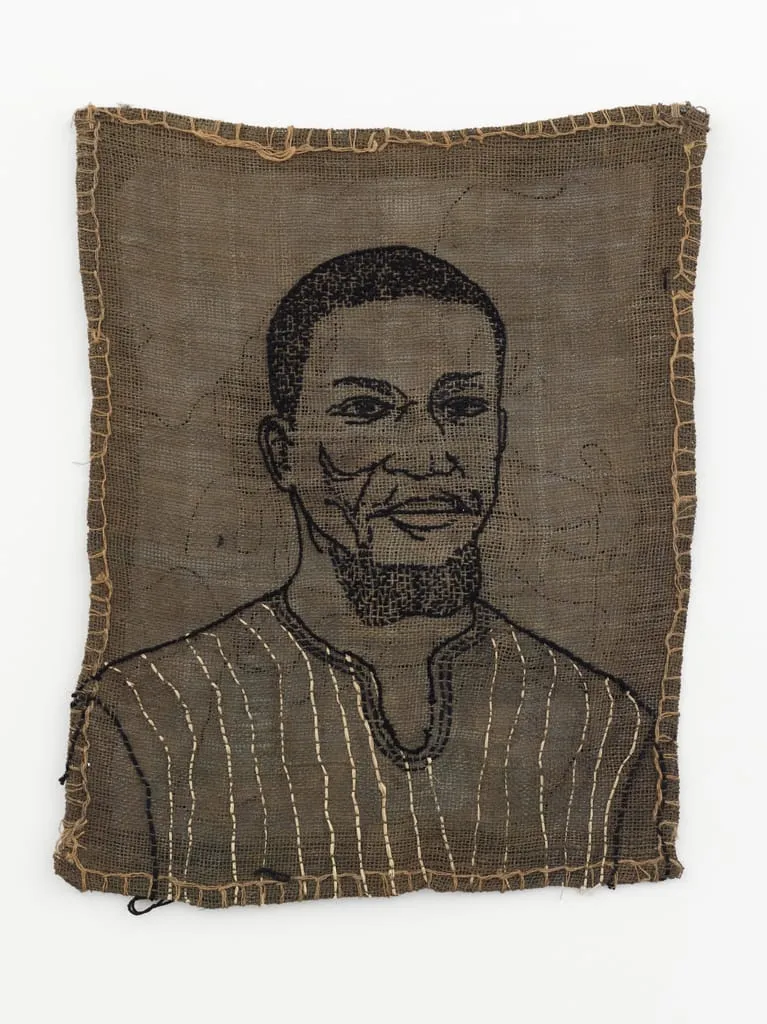
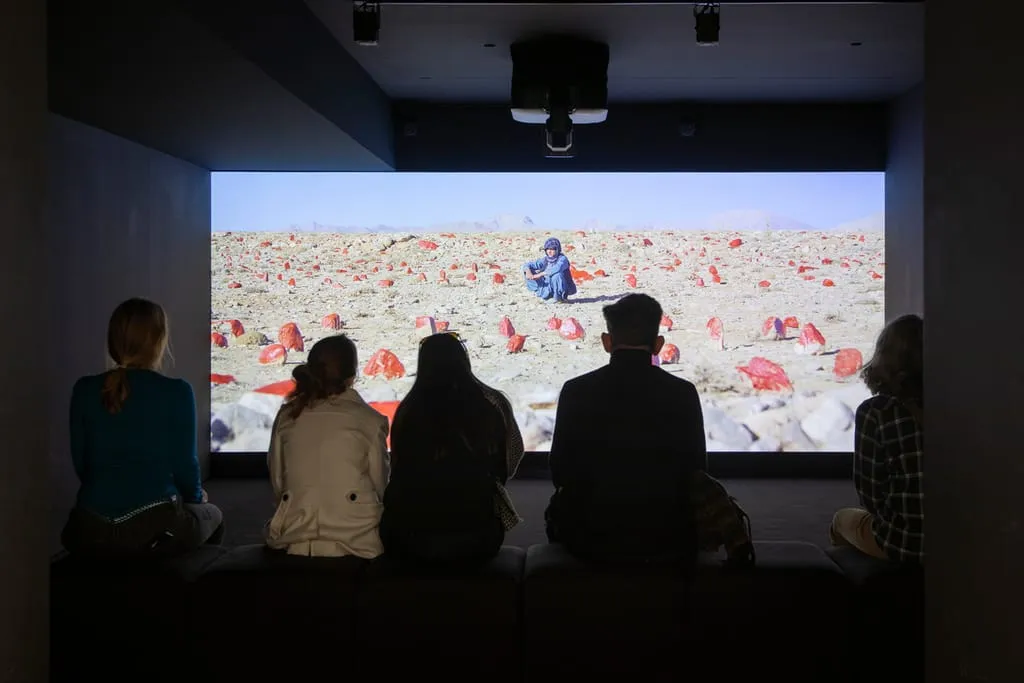
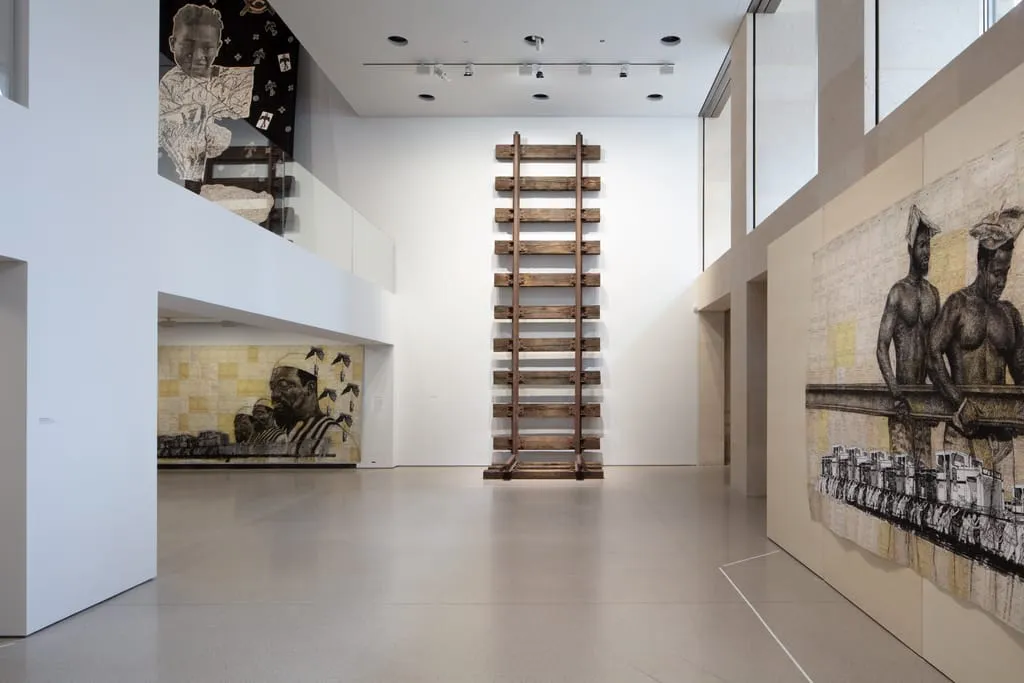
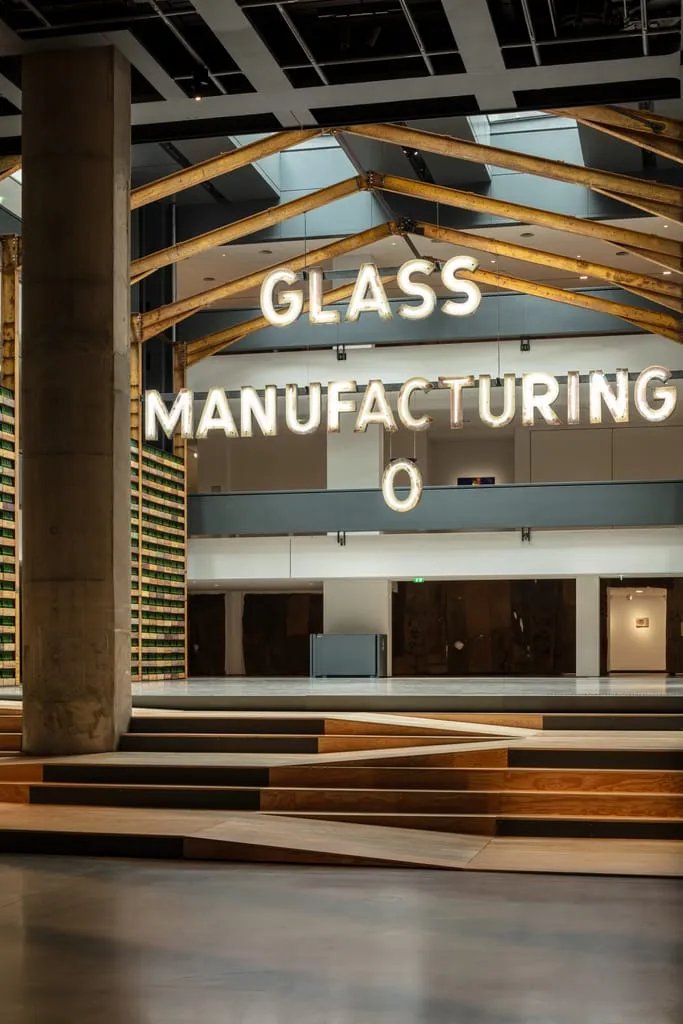
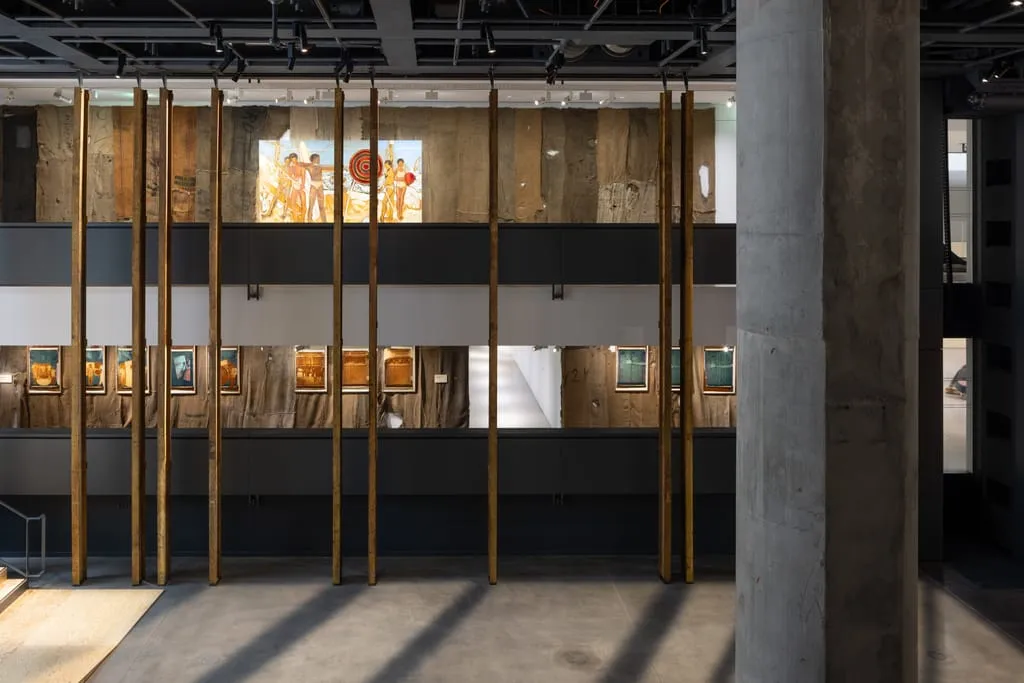
The artists in the exhibition highlight the profound relationships between culture and agriculture through extracted raw materials, as well as the gestures, bodies, and memories intrinsically linked to them. In the face of extractivism and its logic of exhaustion, the artists propose regeneration; in the face of appropriation, restitution; in response to extraction, care.
Extractivism & industrial worlds
© Cyril Marcilhacy 
© Cyril Marcilhacy 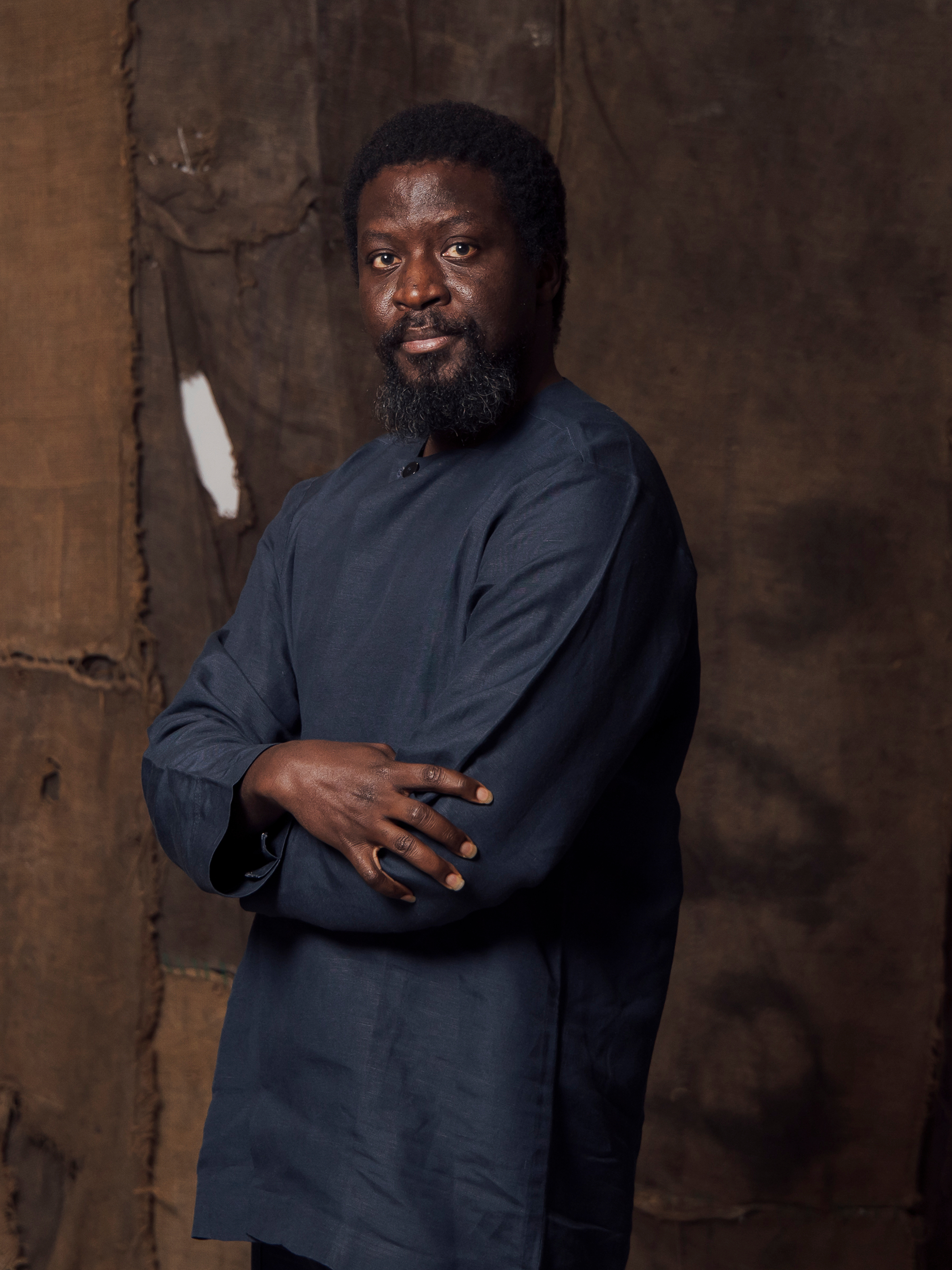
© Cyril Marcilhacy
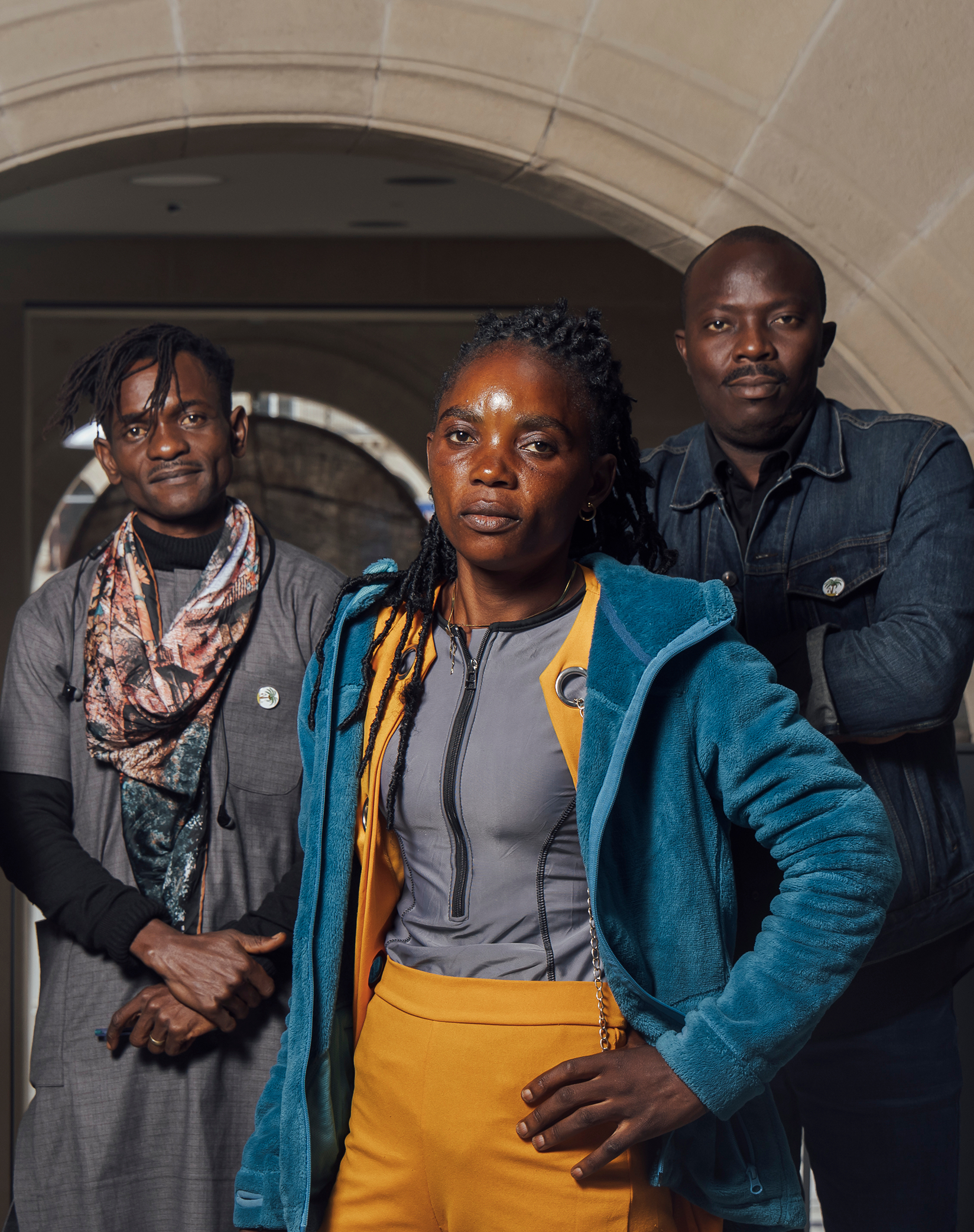
The CATPC brings together artists and agricultural workers from palm oil and cocoa plantations in the Democratic Republic of Congo. The collective sees art as a tool for political and intellectual liberation, but also as a means of economic emancipation and territorial reconquest.
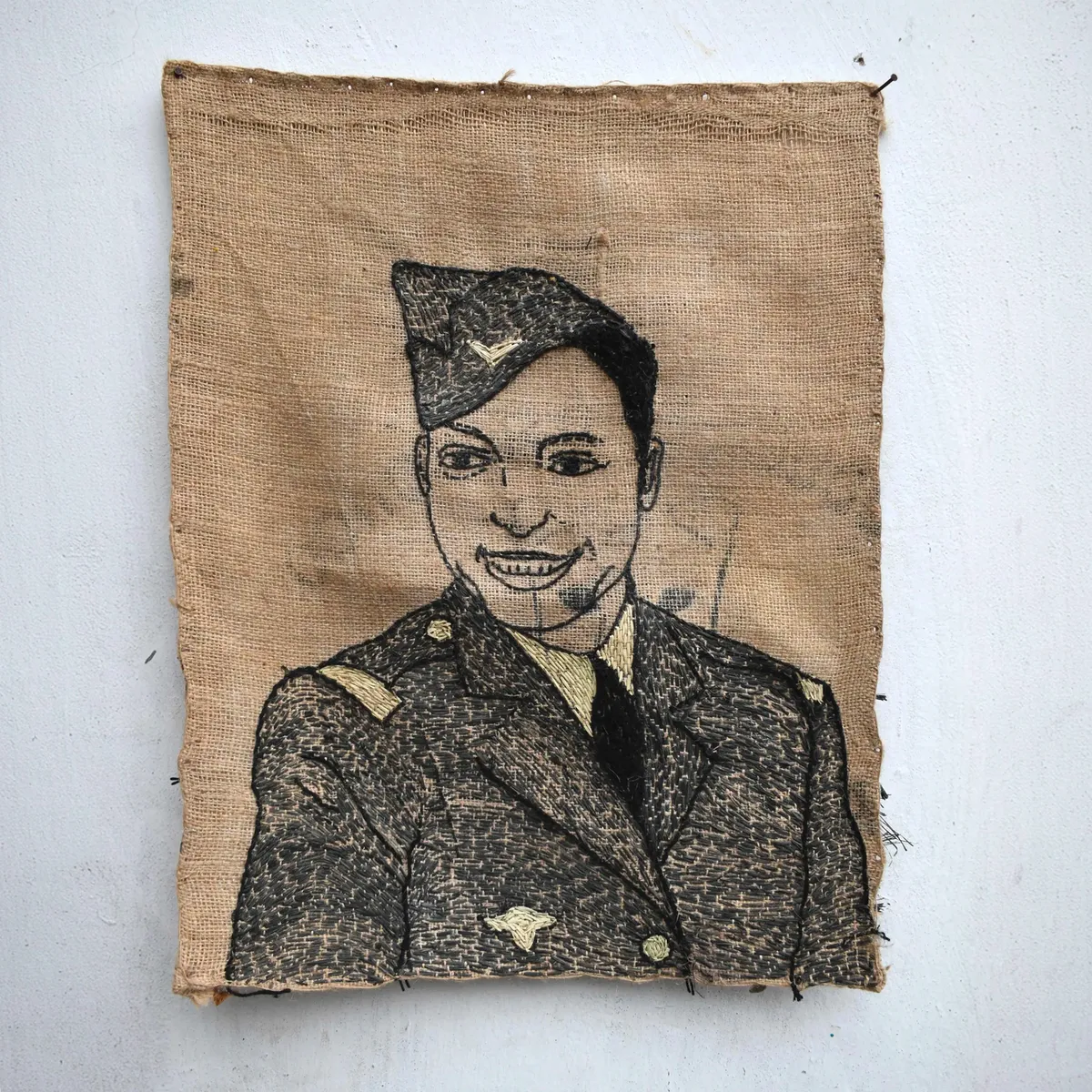
Its members create sculptures, embroidered works, and videos using local materials such as clay, cocoa, and palm oil, directly linked to the agricultural and colonial history of the region. The sale of these works contributes to the gradual repurchase of land confiscated at the beginning of the 20th century by the Lever Brothers company, which became Unilever, in order to establish the plantations of Huileries du Congo Belge.
The CATPC has since acquired several hundred hectares in order to develop an inclusive “post-plantation”, conceived and managed by the workers. The land is gradually being transformed into a “sacred forest” and into spaces for regenerative agriculture, intended in particular to strengthen local food security. This approach is accompanied by a process of transmission and restitution, through educational programs devoted to decolonizing the plantation and exploring the knowledge associated with it.
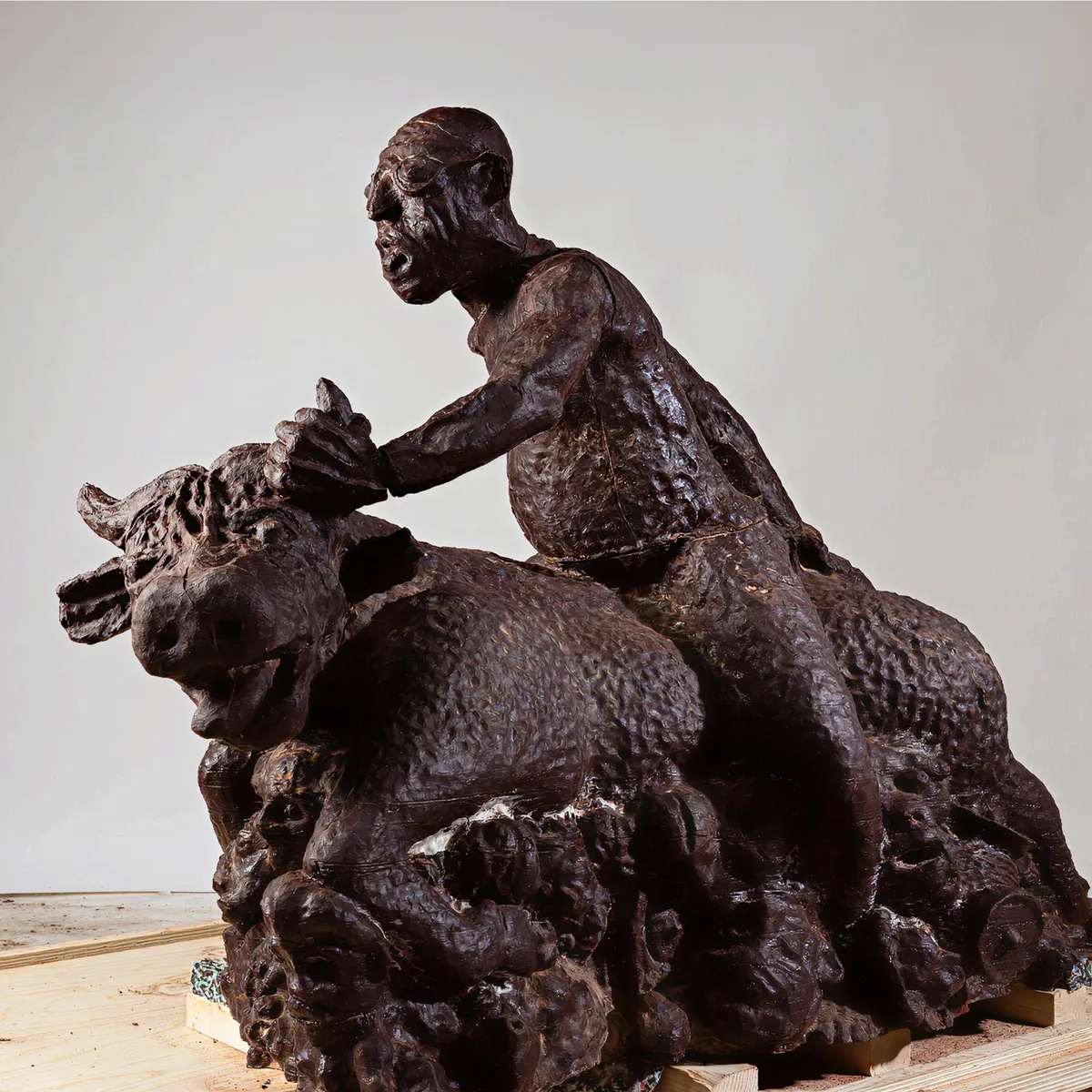
The artists' fragments on the same theme
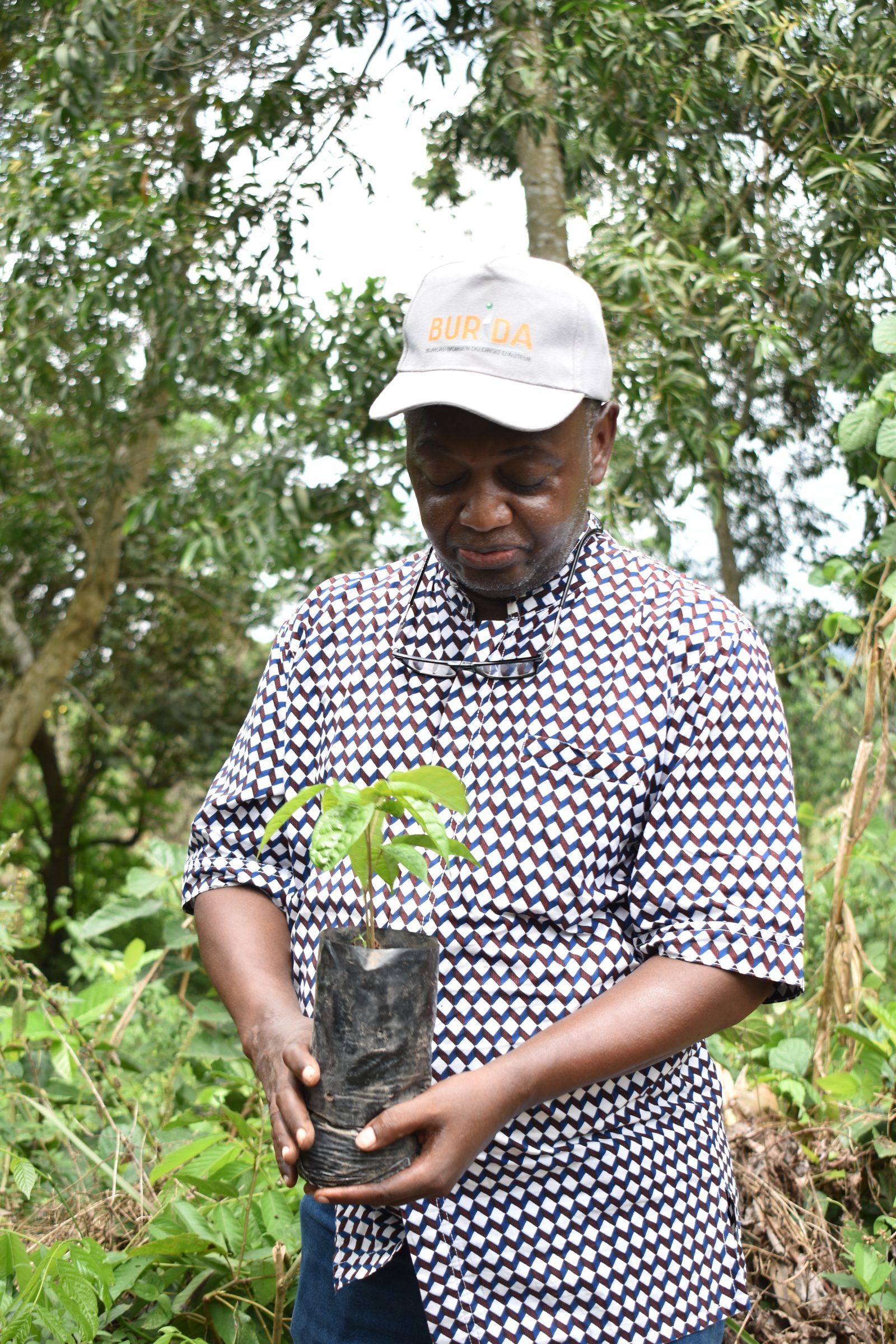
And the Makala sacks being eyewitnesses, we took it. We use this material that speaks to us, that speaks to our community, that we all know. We change them as with, following the example of the materials, the jute and cocoa sacks that carry the cocoa and that brother Ibrahim gave us, offered us. We transform these sacks to pay tribute to the fighters of the resistance, to the fighters for freedom throughout the world. The same thing, we take the Makala sacks which are an eyewitness of the destruction of our forests. We made a work of art on these sacks and on this sack, we embroidered the sacred forest. Same sack that is witness to the destruction of the forests. This time, we turn them, uh, we make it an ally. With this same sack, we put the sacred forest that is growing. We tell the story of our community. So, through the material, we also want to tell the story of our community, how we see these materials in our daily life.
Extractivisme & mondes industriels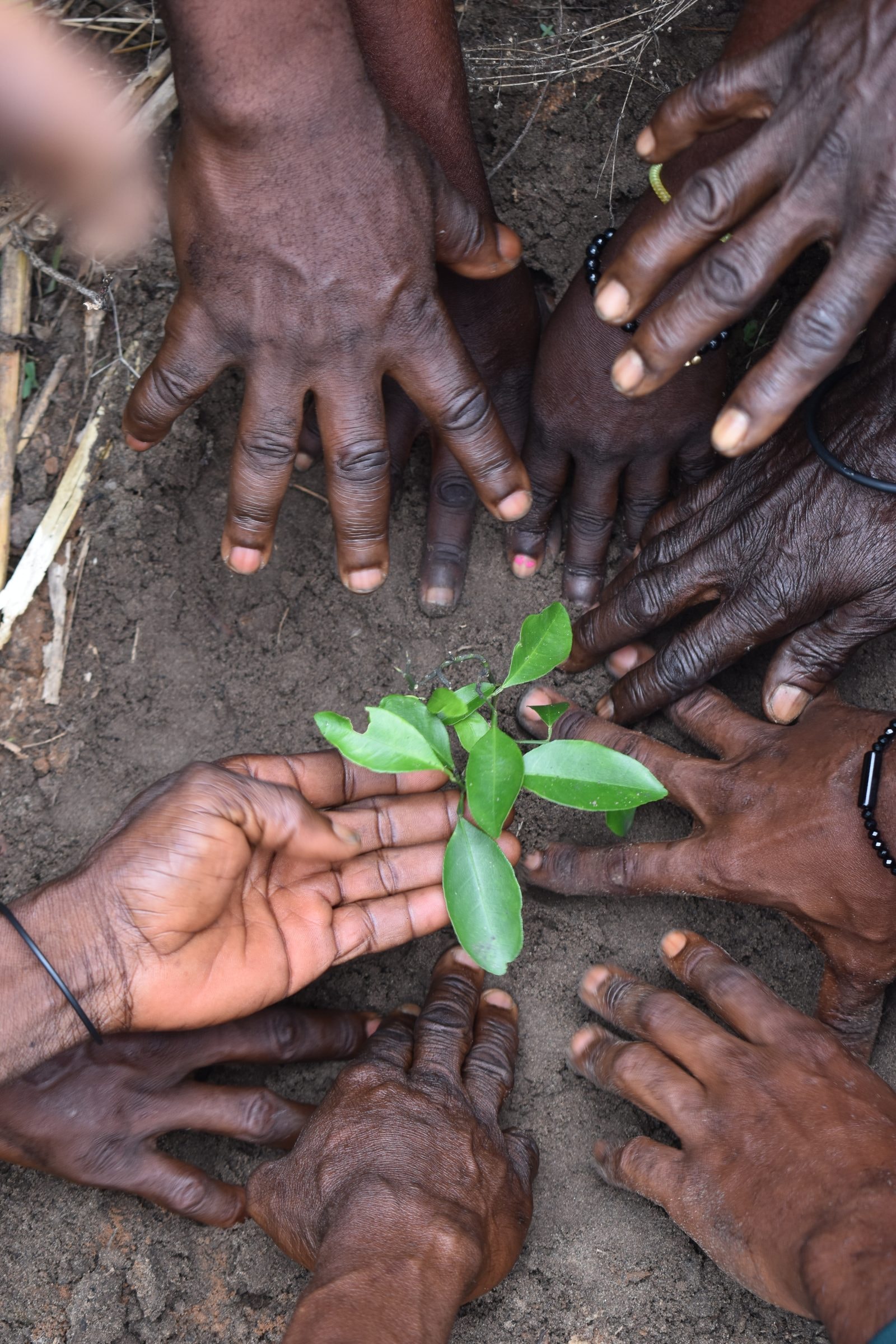
Here is the work The Sacred Inhabited Forest. This work, which is even featured in that beautiful exhibition The Harvest Season with brother Ibrahim Mahama. Uh The Sacred Inhabited Forest tells the story of the, our forest that we are in the process of planting and that we, on the lands where we live in Lusanga. This very forest that was eradicated, wiped out to be replaced by monoculture which destroyed our lands, which made them arid. Today, we are replanting that forest. And the material we used in the background, the makala bags, are the bags with which one transports. Makala is charcoal. The charcoal is made from felled trees. And for us, those bags with which we transport the felled trees are even the very coffins of the trees' corpses. It is an eyewitness to the destruction of our forests and it is a witness to the very commercialization of these tree corpses that we sadly mourn in our communities, in our forest.
Extractivisme & mondes industriels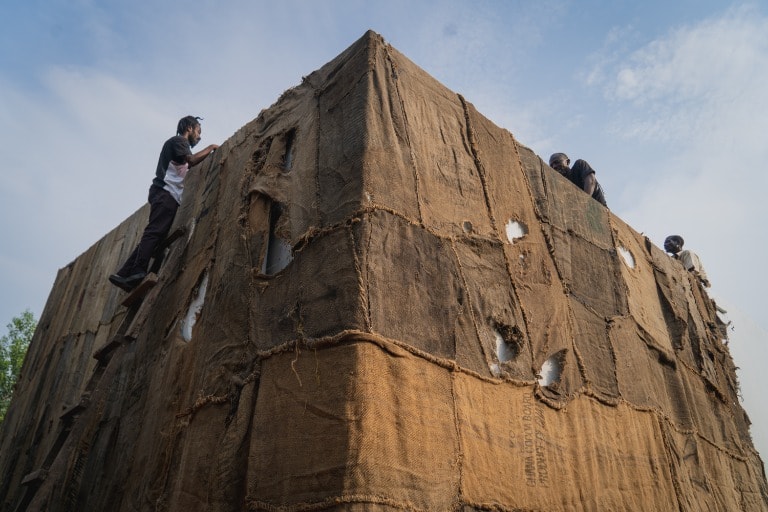
Collaboration with Ibrahim Mahama Image credits: Ibrahim Mahama, The Judgement of the White Cube, 2022 at White Cube Lusanga, Photo: Dareck Tuba Group Photo. Ibrahim Mahama, The Judgement of the White Cube, 2022 at White Cube Lusanga, Photo: Dareck Tuba CATPC’s artistic and political practice expands through collaborations with international artists who address land, labor, and supply chains connecting plantations to global art institutions. A major partner is Ghanaian artist Ibrahim Mahama, who presented The Judgement of the White Cube at Lusanga in February 2022—his first plantation intervention and solo exhibition in Central Africa. Mahama wrapped the White Cube museum in worn jute cocoa sacks. The opening featured a theatrical trial in which CATPC members brought the museum to justice for its implicit ties to plantation violence, forced labor, and environmental degradation, resulting in a verdict of "incarceration" on the plantation until further notice. This event also launched CATPC’s educational program centered on muzindu (deep thought), kukinga (composition), and luyalu (force), developed in dialogue with regional scholars and Selom Kudjie of SCCA Tamale.
Extractivisme & mondes industriels