The themes
Images & symbols
The Harvest Season explores collective memories through a plurality of media and archives, questioning how images and archives shape our understanding of the past and present. The exhibition highlights photographs, films, postcards, and symbols to explore identities, legacies, and artistic dynamics. Beyond their documentary function, these media serve here as tools for reappropriation, transformation, and creation.
Artists thus draw on these fragments of history to construct new narratives, often in dialogue with ancestral symbols such as Akan or Adinkra signs. These elements, imbued with meaning and spirituality, become bridges between eras and cultures, offering keys to understanding identity.
The exhibition invites reflection on the circulation of images and objects, and their capacity to bear witness to independence movements, migrations, colonial dispossession, and contemporary aspirations. It emphasizes the importance of preserving and activating these archives to keep history alive and pass it on, particularly that of the African continent. Through a diversity of artistic approaches, it demonstrates that the image is never neutral: it is a mirror, a tool of memory, but also a powerful lever for reinvention and for intergenerational and collective dialogue.
Images & symbols
© Cyril Marcilhacy 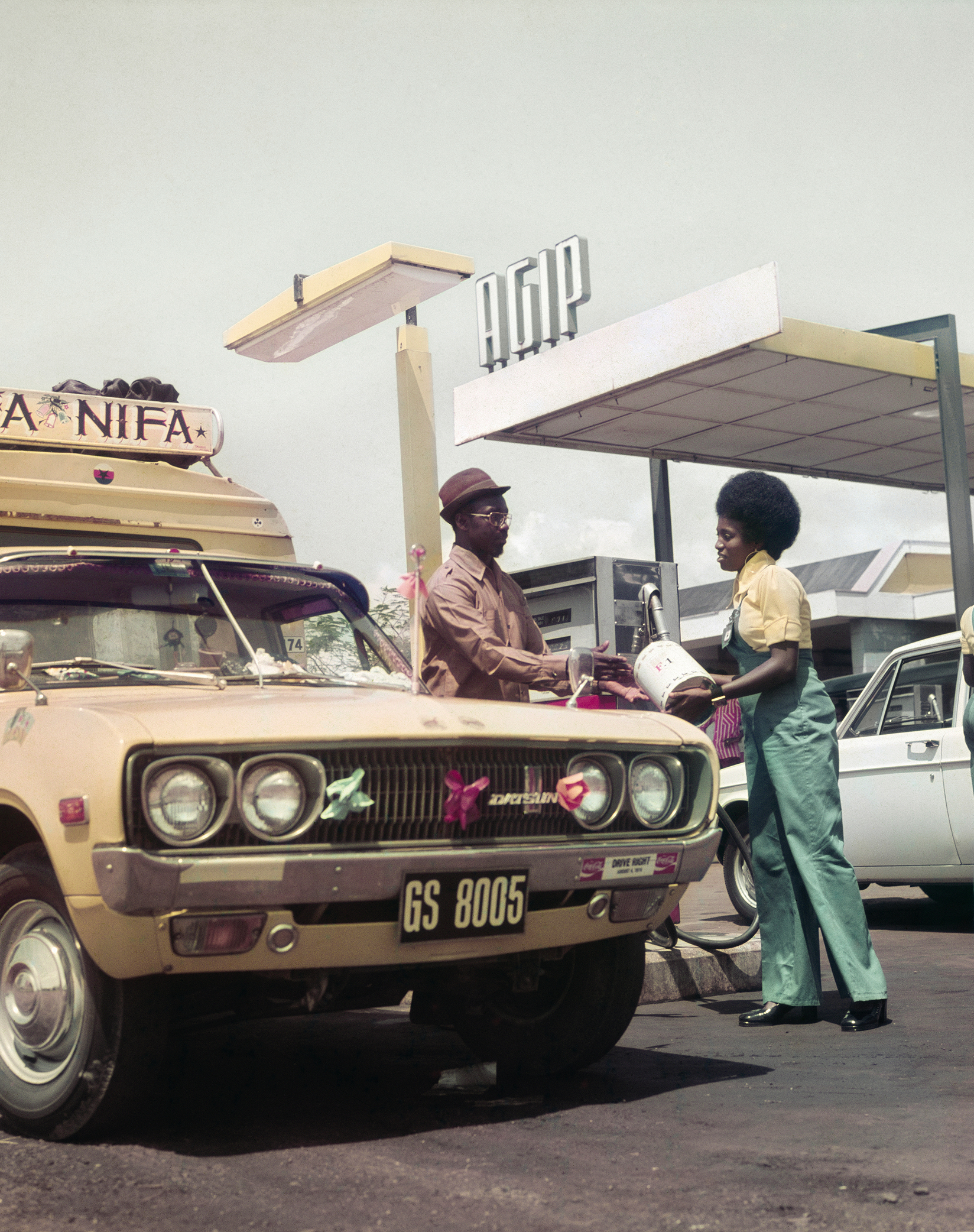
© James Barnor 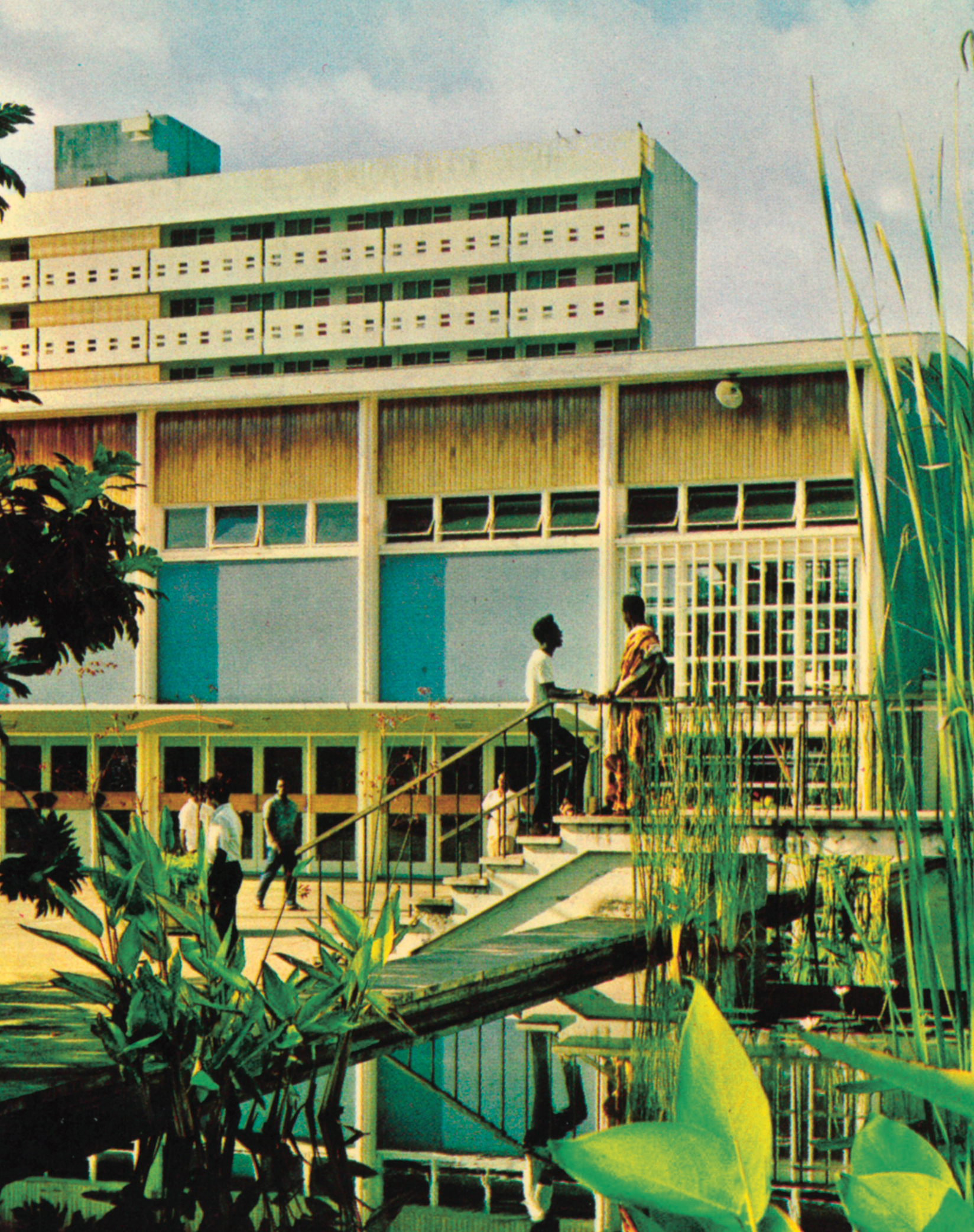
© Cyril Marcilhacy 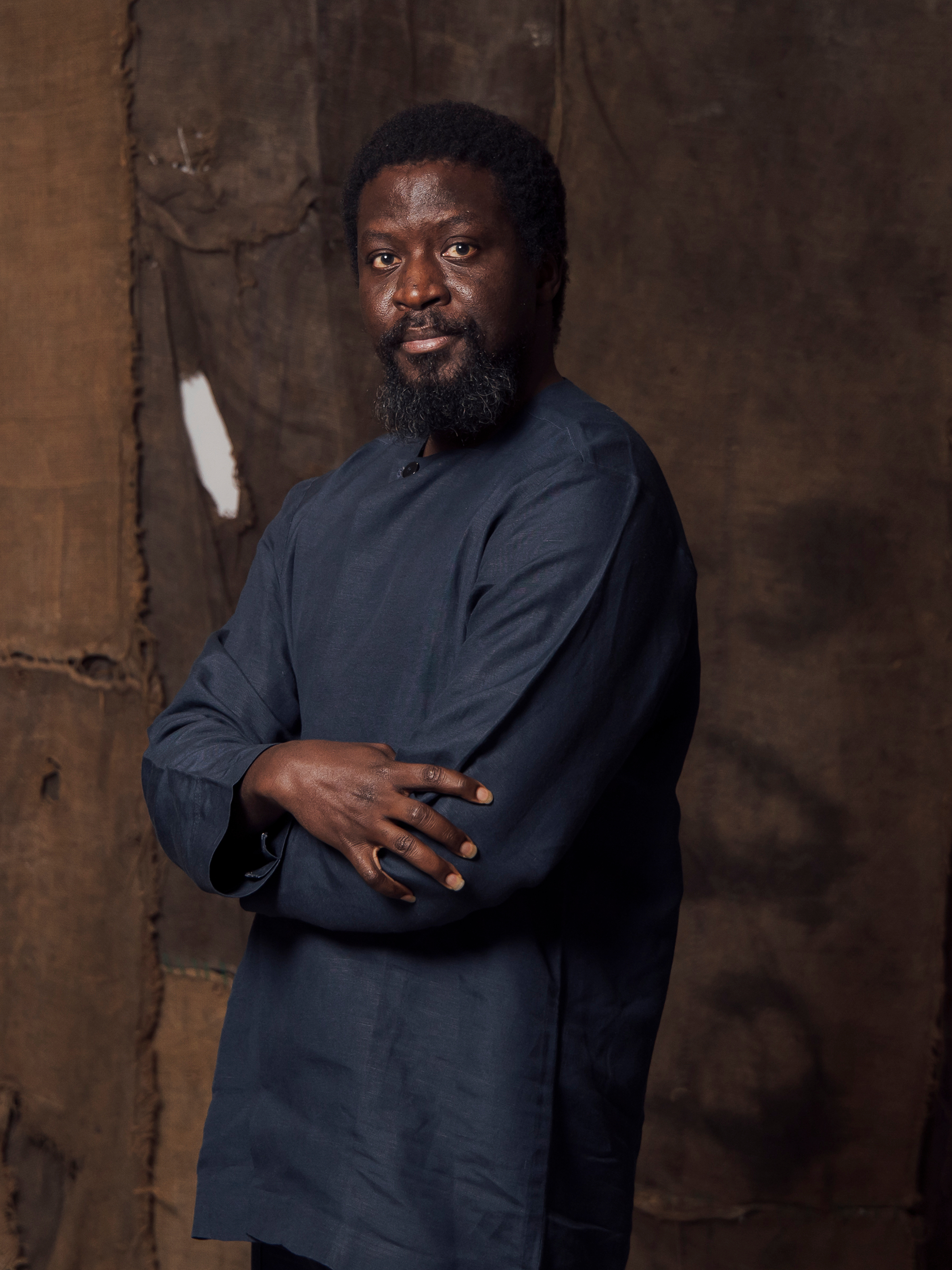
© Cyril Marcilhacy 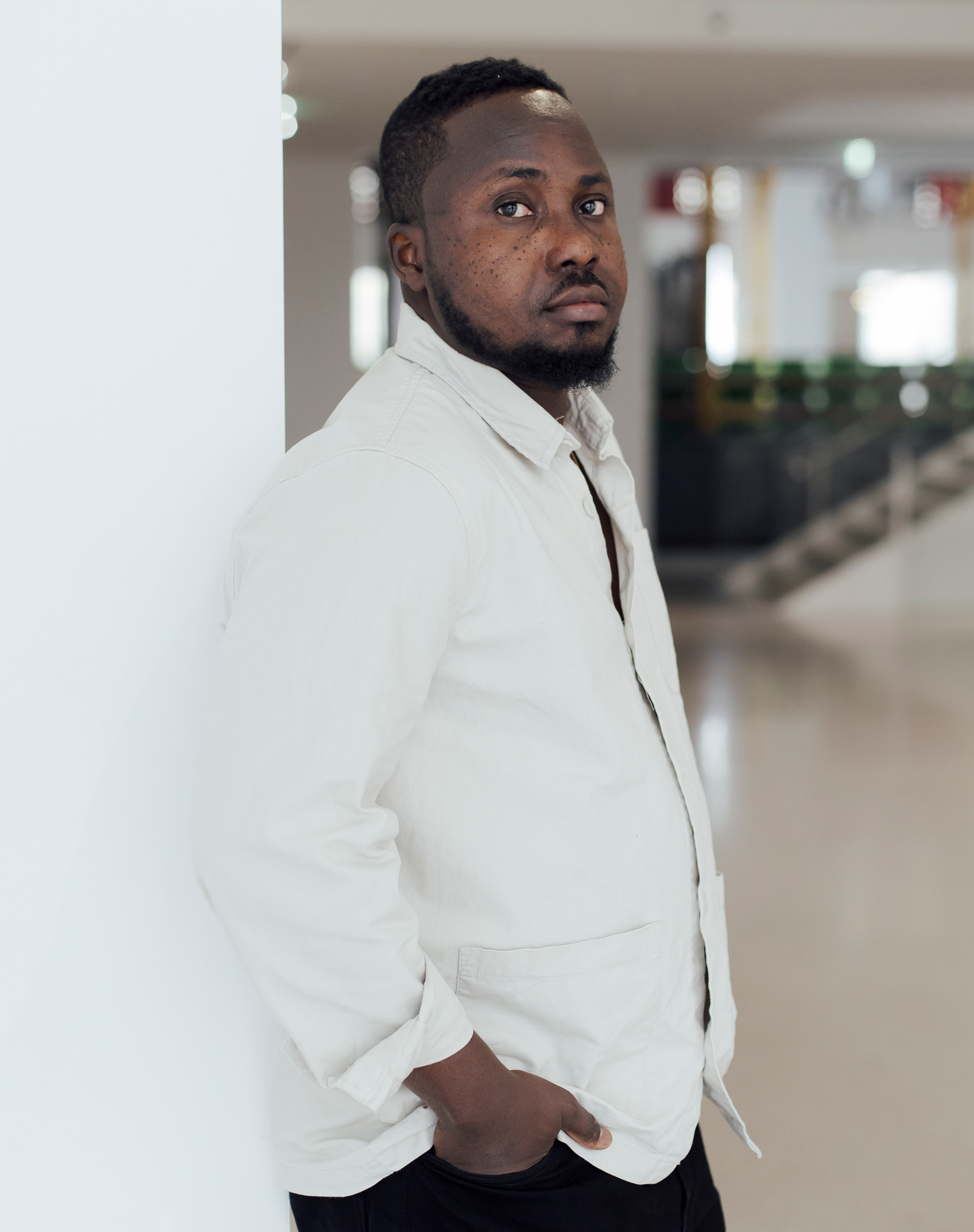
© Cyril Marcilhacy 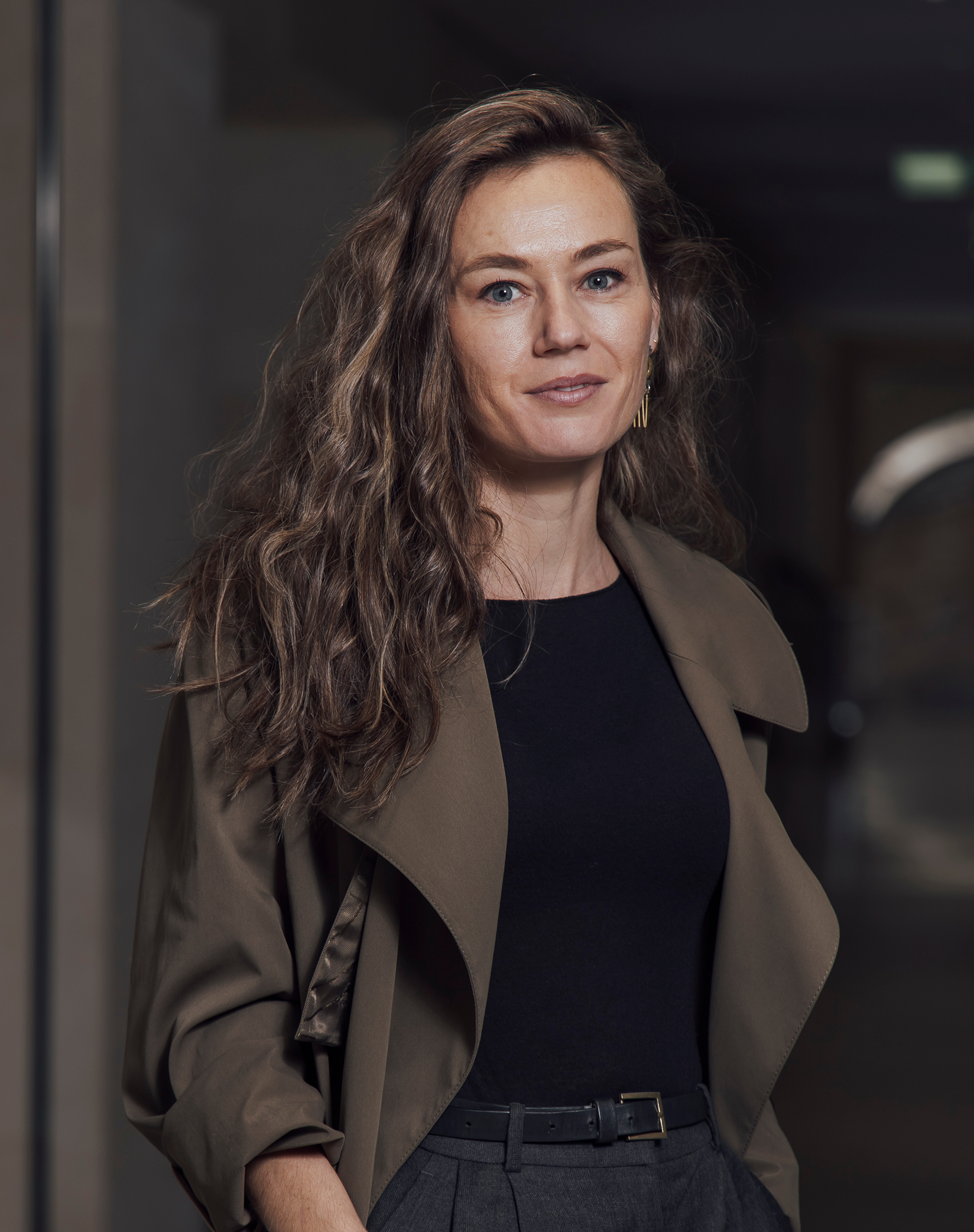
© Cyril Marcilhacy
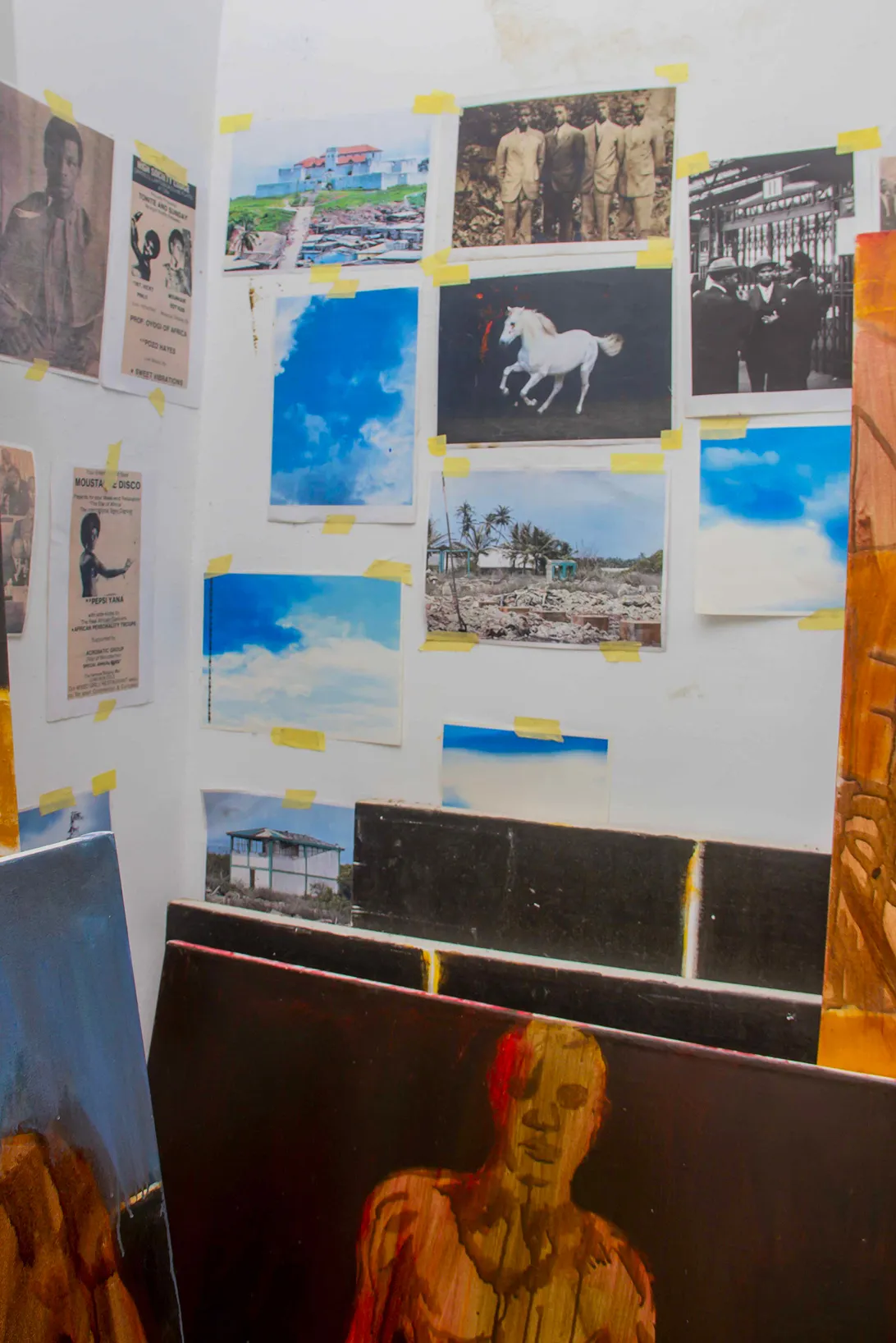
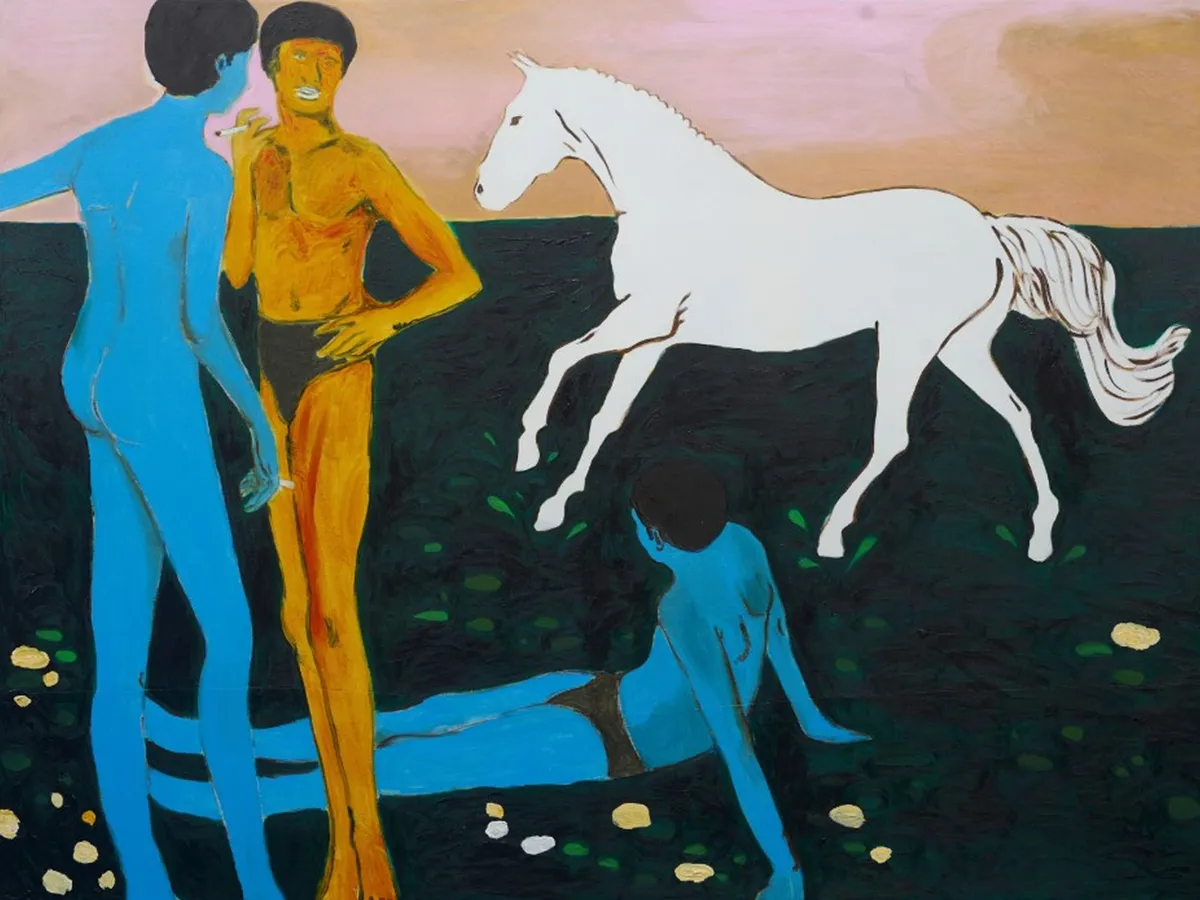
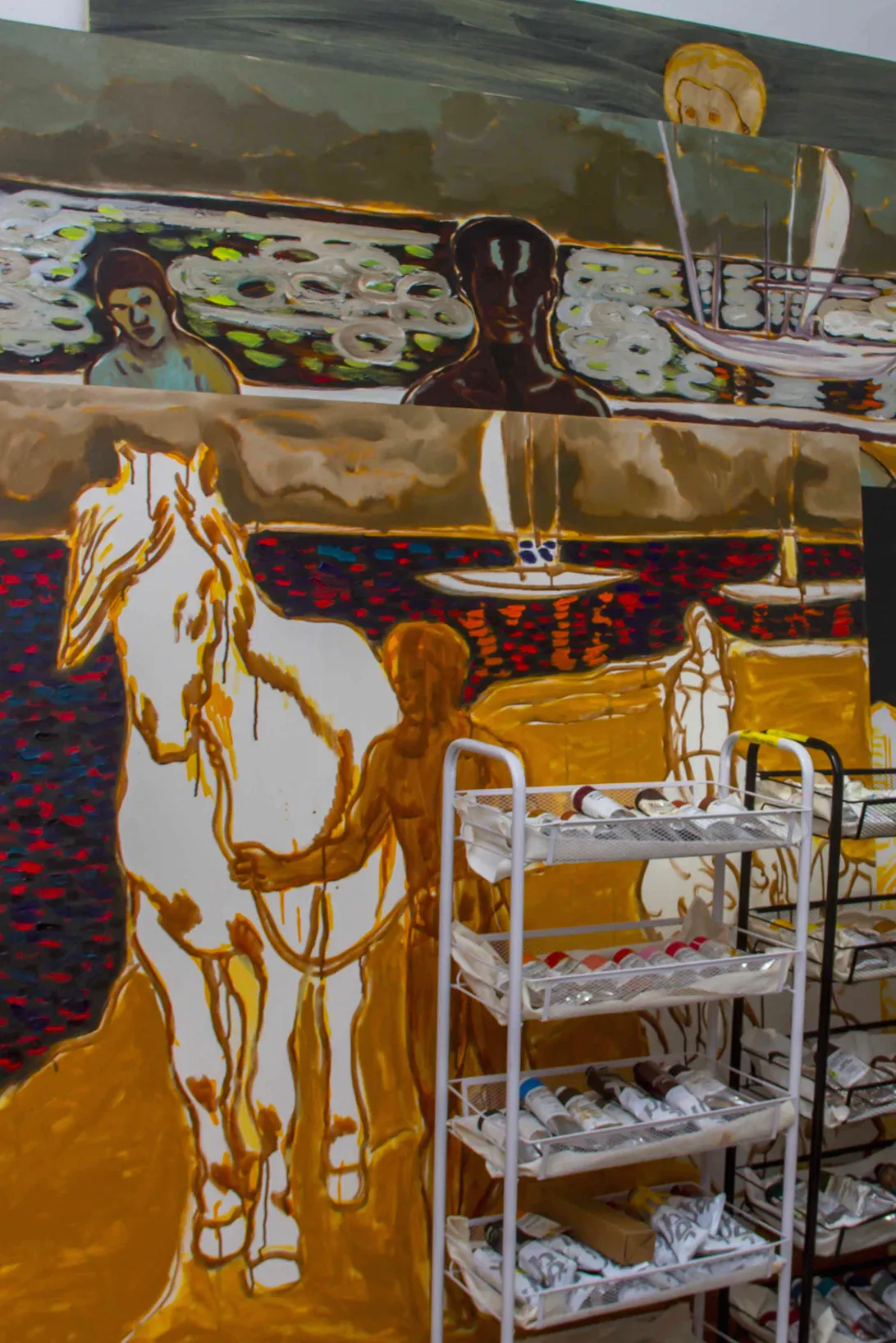
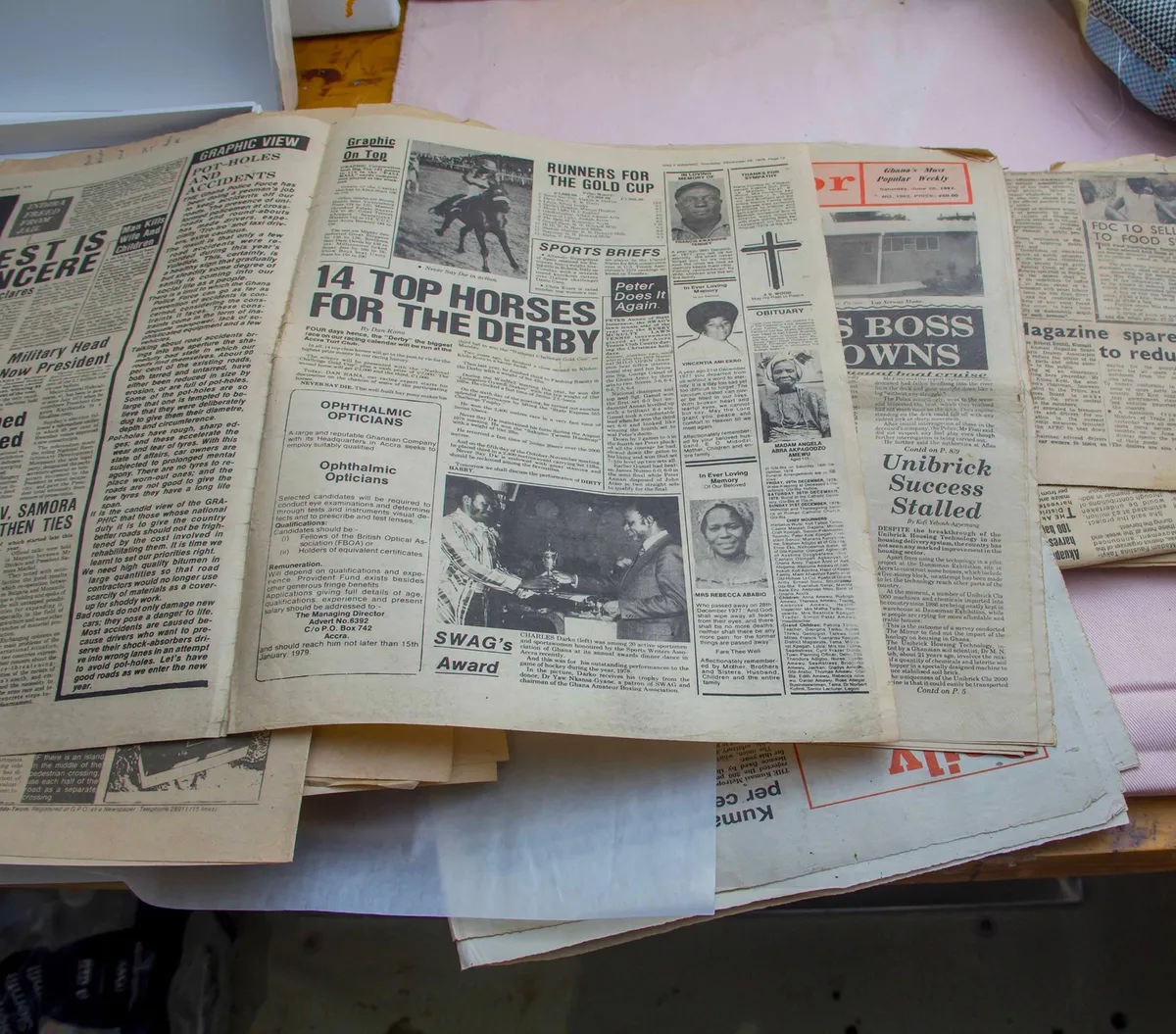
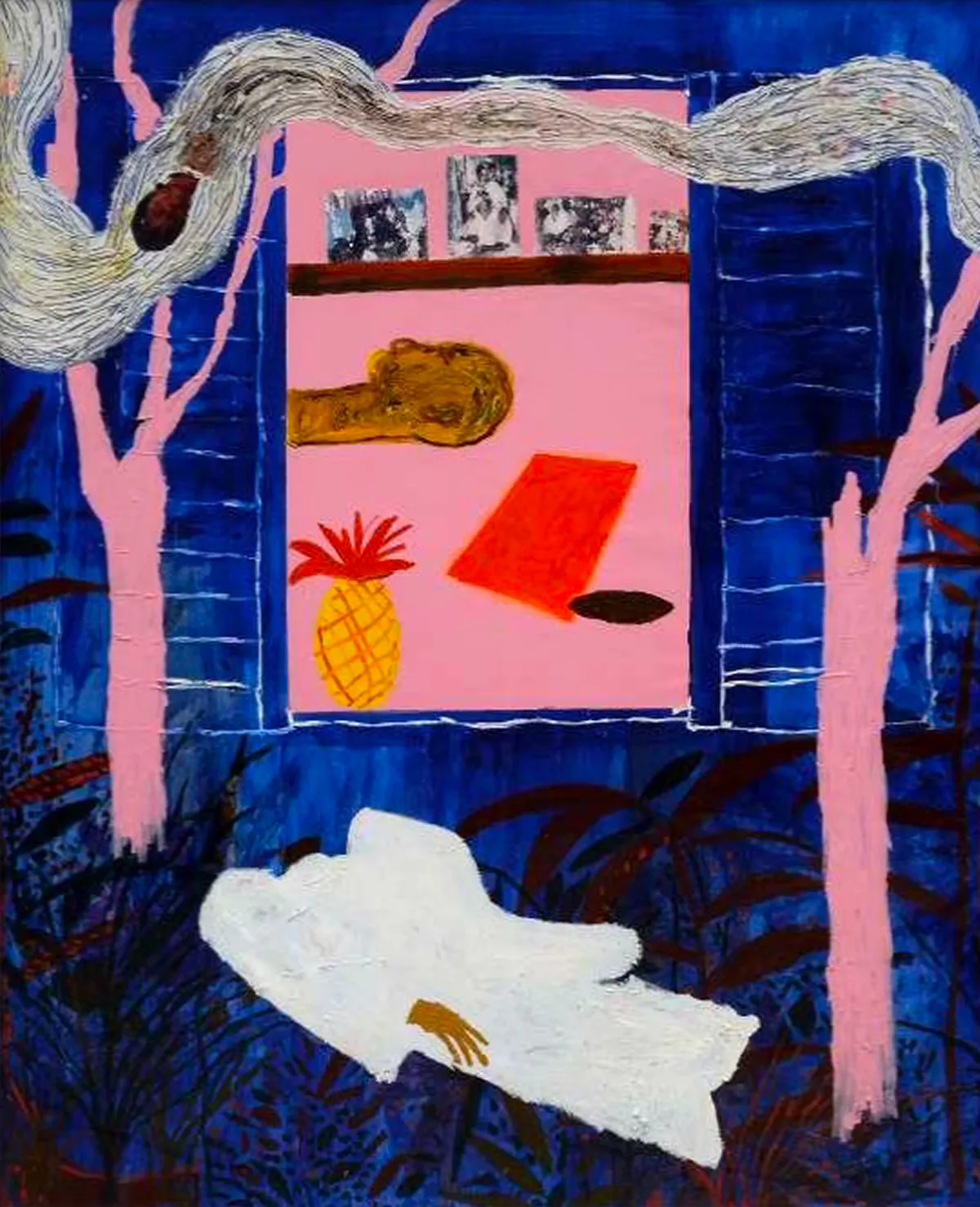
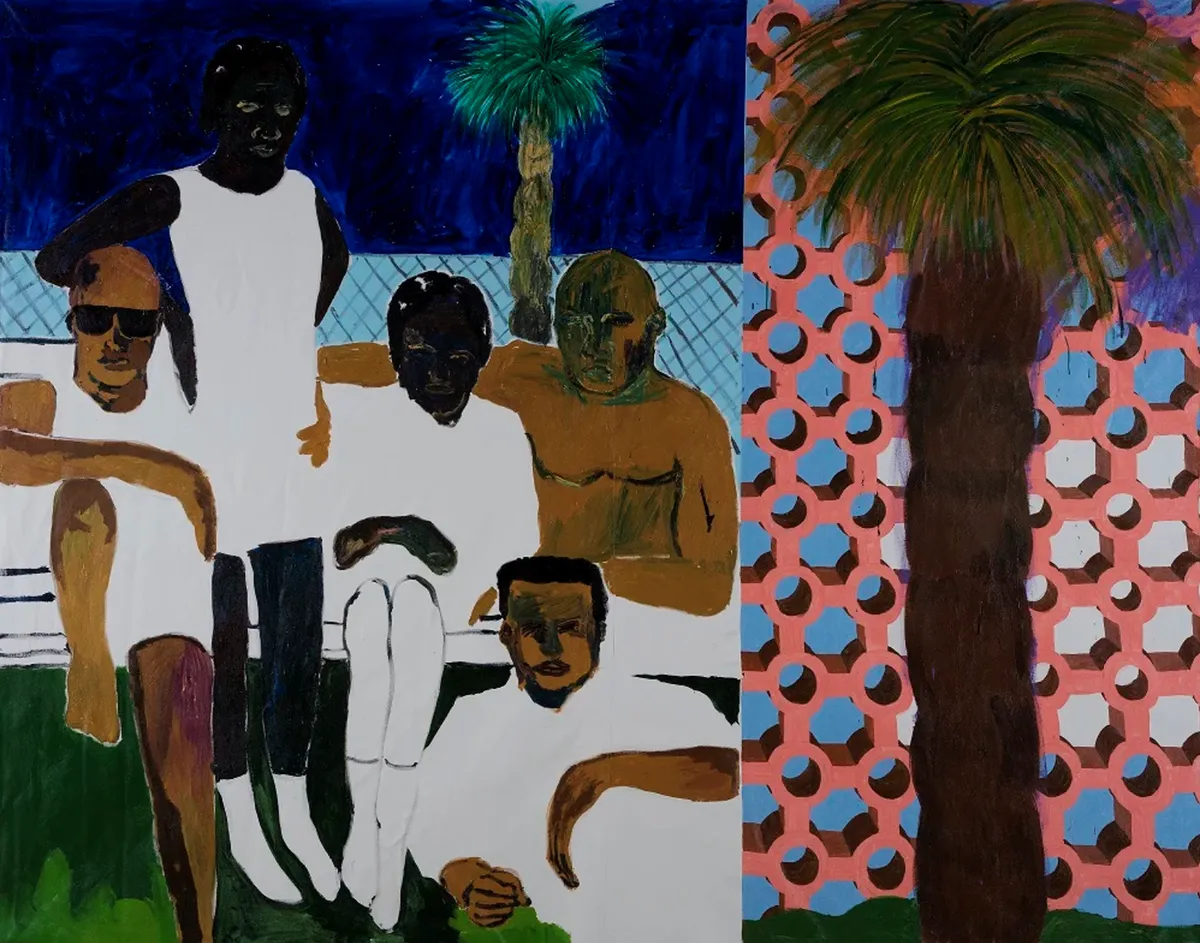
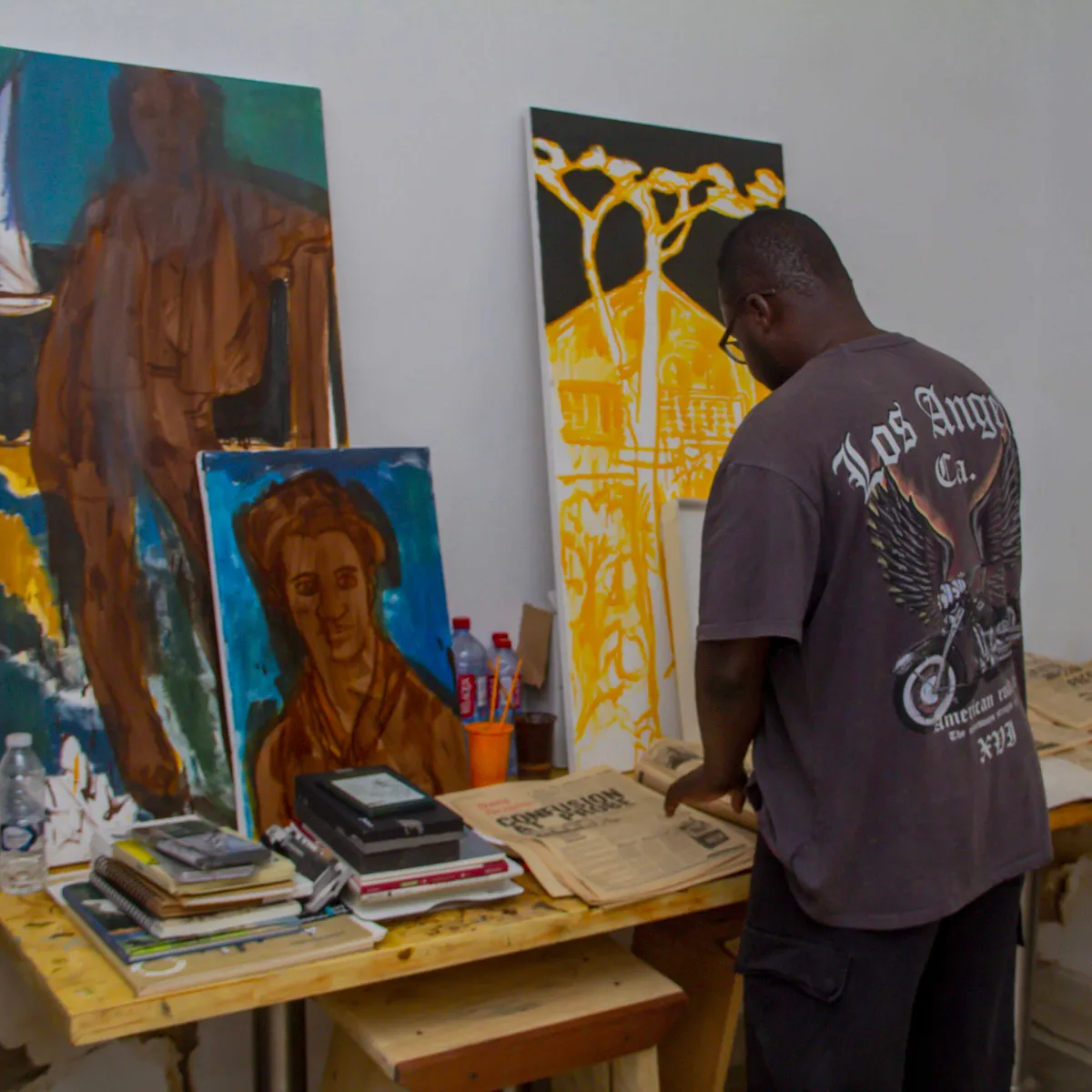
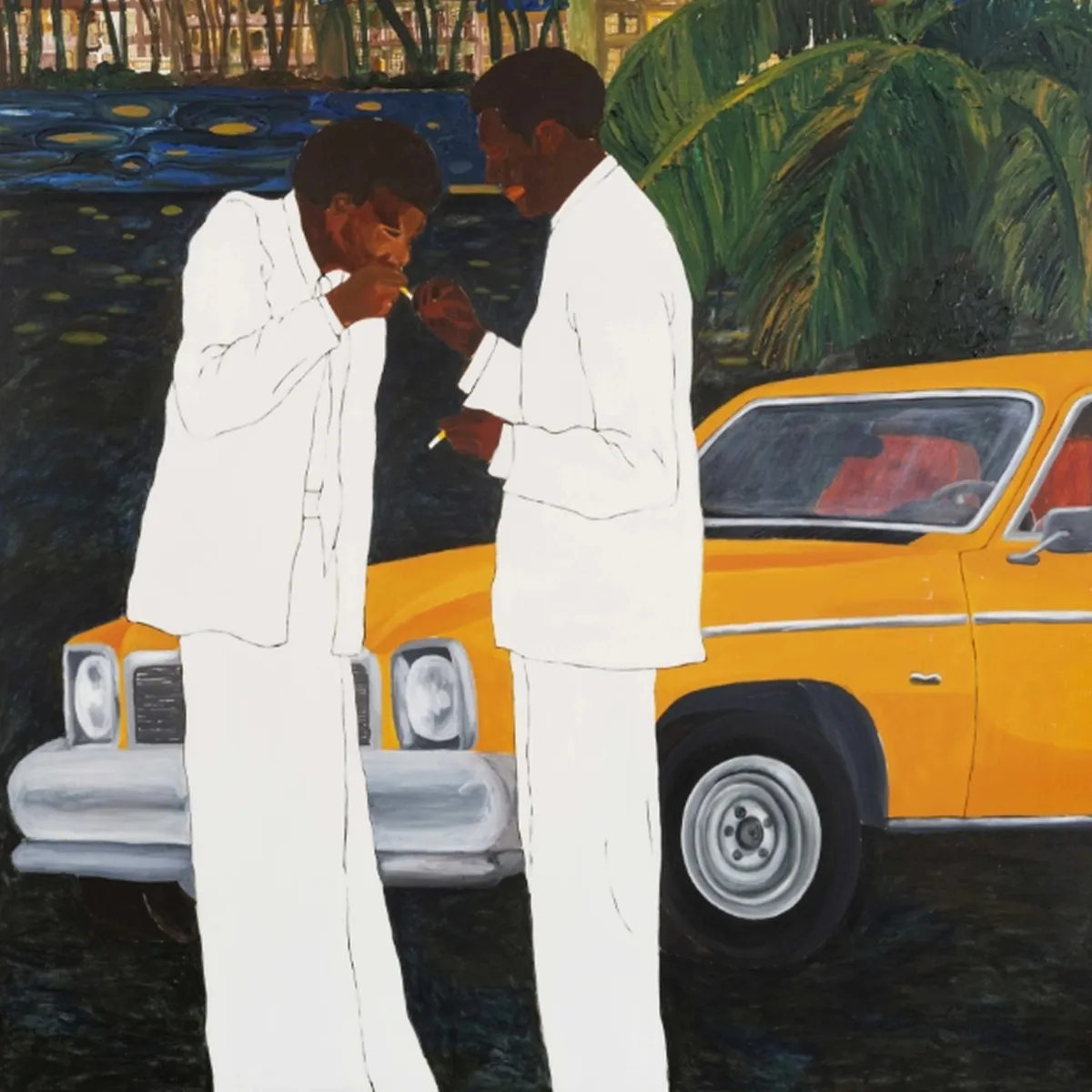
The painter Gideon Appah draws his inspiration from Ghana’s visual archives, notably advertisements and the press from the 1950s to the 1980s (such as the Daily Graphic and The Mirror). In 2020, he acquired a collection of Ghanaian periodicals and immersed himself in representations of post-independence society, marked by rapid urbanization and the rise of leisure venues. Appah uses these images as references to create dreamlike compositions. His canvases are populated by fictional figures, anchored in historical reality, who bear witness to a changing cultural landscape. He transforms these fragments of the past into contemporary visual narratives, where press photography becomes a starting point for a pictorial exploration of collective memory and the Ghanaian imagination. His work illustrates how archives, even the most ordinary ones, can be reactivated to create new forms of artistic expression and reflection on history.
The artists' fragments on the same theme
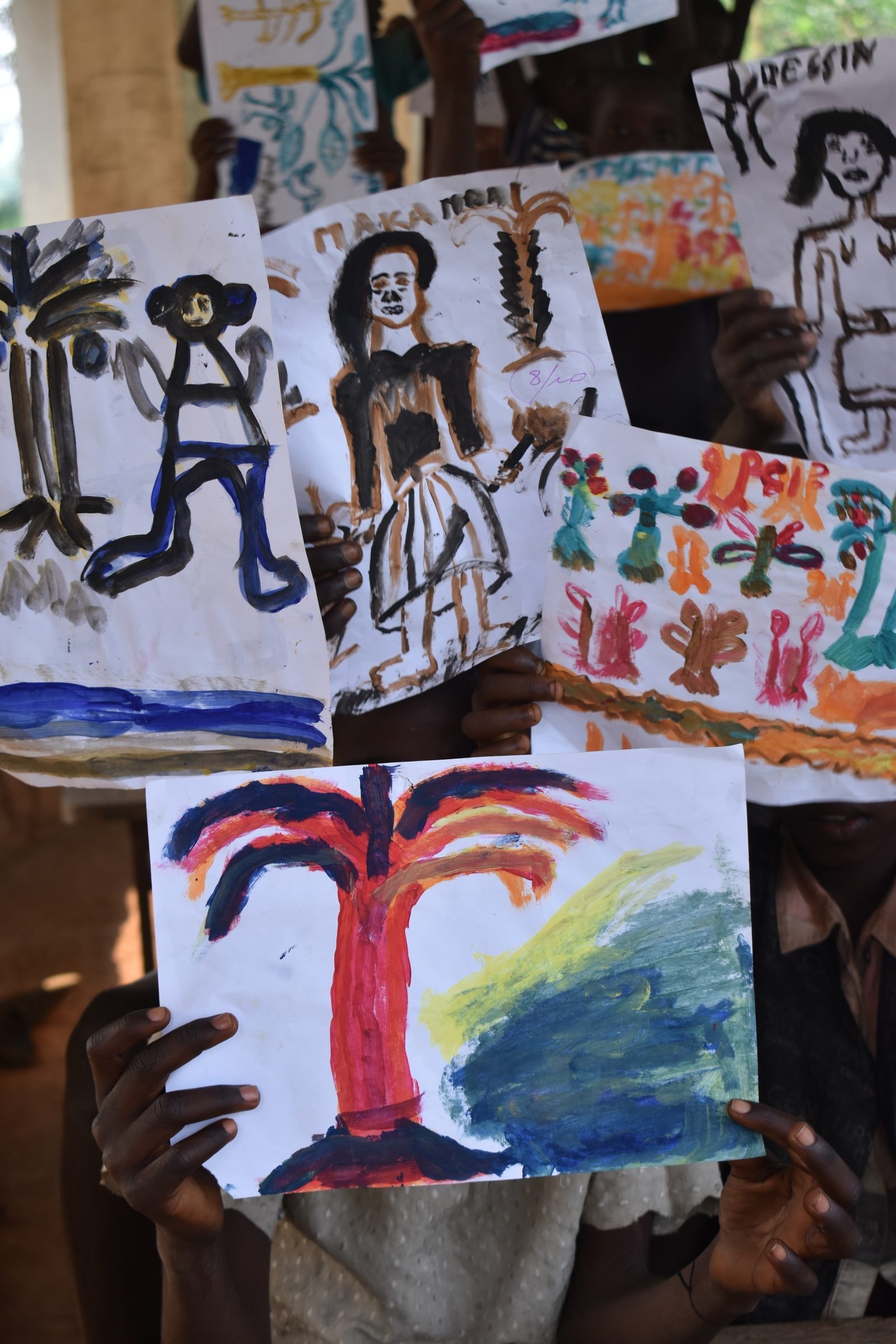
Here we are at Luyalu School. What is Luyalu School? Luyalu School is the school after school. It’s a place for us, for our community—mainly young people, but not only them, women too, and adults—to come and learn everything that is at our disposal, everything we love, everything we want for our community. Young people can learn through art workshops. Women can also learn through art workshops and the classes we offer. Adults can also take language courses like English and French. You can learn many things through Luyalu School, which was again inspired by Brother Ibrahim Mahama. We observed what happened in Tamale and Brother Selom, who is the director of the SEC in Tamale, when he passed through Lusanga. We spent a whole day with him where he advised us and where we were inspired by their journey. And afterward, we set out to open our training center for young people and for our community, Luyalu School.
Images & symboles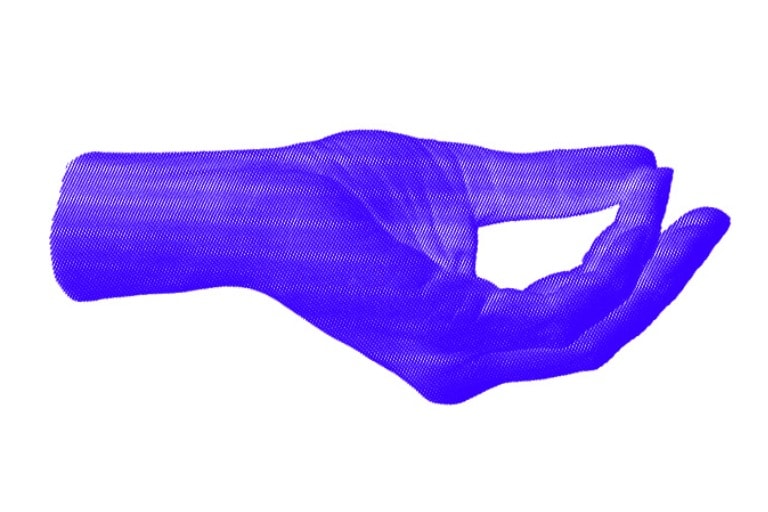
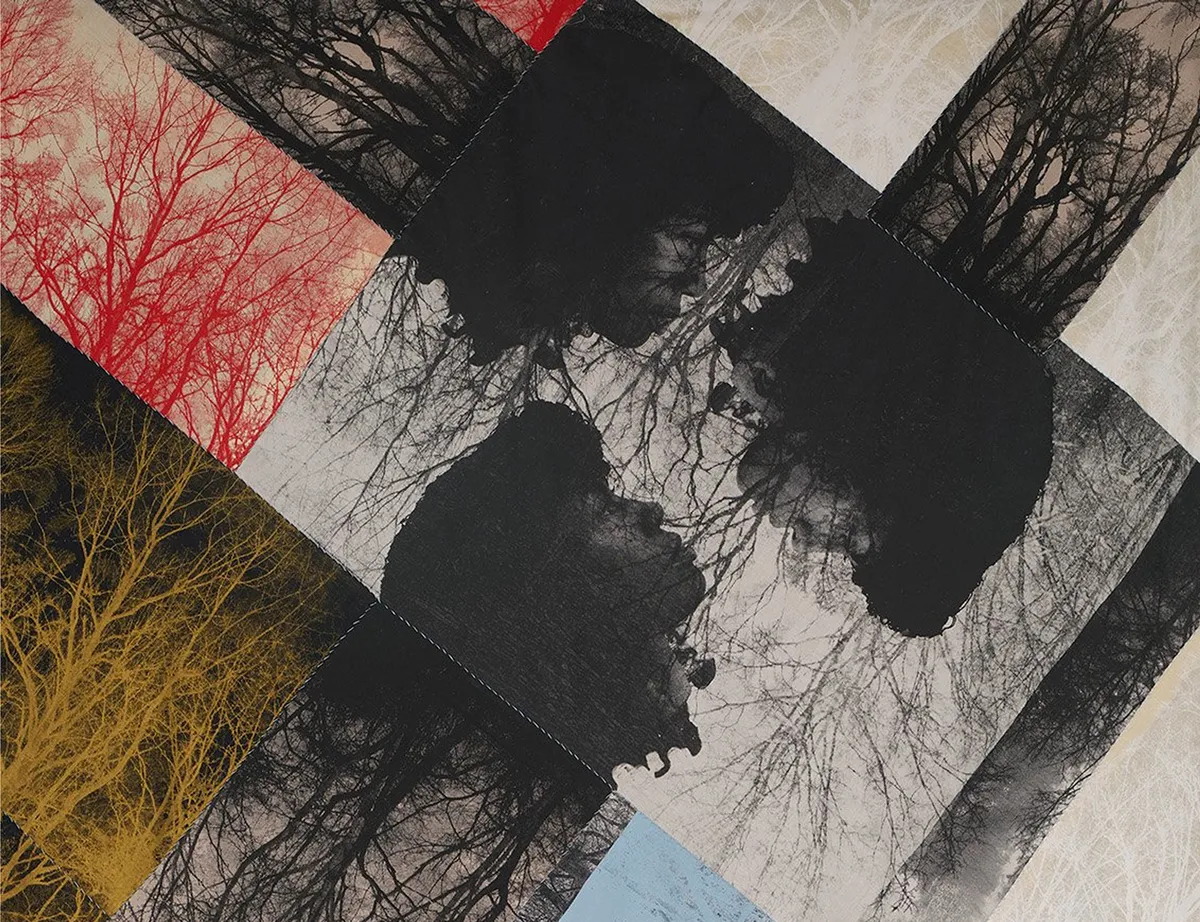
Healing Hands and Hieroglyphs is the first of four chapters in The Myths of Eternal Life (2020–2026), made during and after my cancer treatment in Berlin, where daily walks among the bare winter trees of the Tiergarten and an encounter with ancient Egyptian art at the Neues Museum led me to engage deeply with the Book of the Dead. The chapter turns the countless hands of doctors and nurses that examined me, an experience that felt like being dismembered, into a symbolic language of care, drawing a parallel with hieroglyphic hands that pass on vital knowledge for the journey to the afterlife.
Images & symboles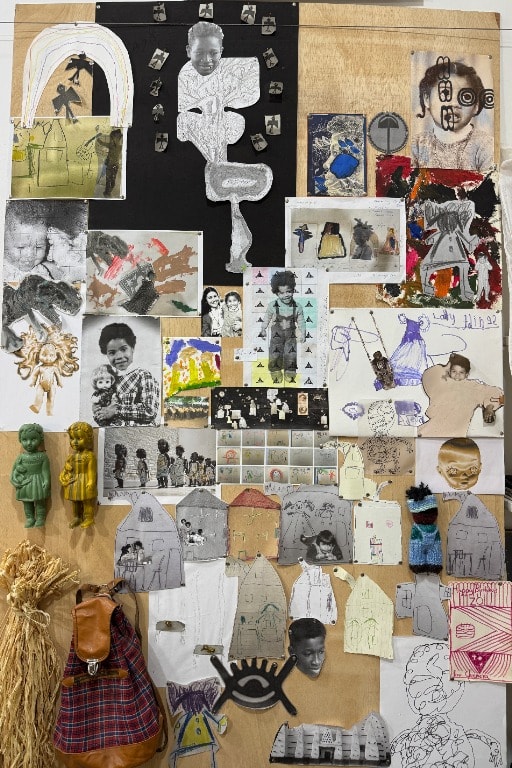
Studioview/Visionboard to Give Me Back My Black Dolls: Tree drawings of my son when he was 12 and 16 years old defined the visual language in the textile work SunSum. Junior has been born when my father passed, therefor he carries not only his name but also inherited his SOUL. Visually the trees represent the tree of life or also the family tree which connects the physical world with the spiritual world.
Images & symboles