The themes
Material & texture
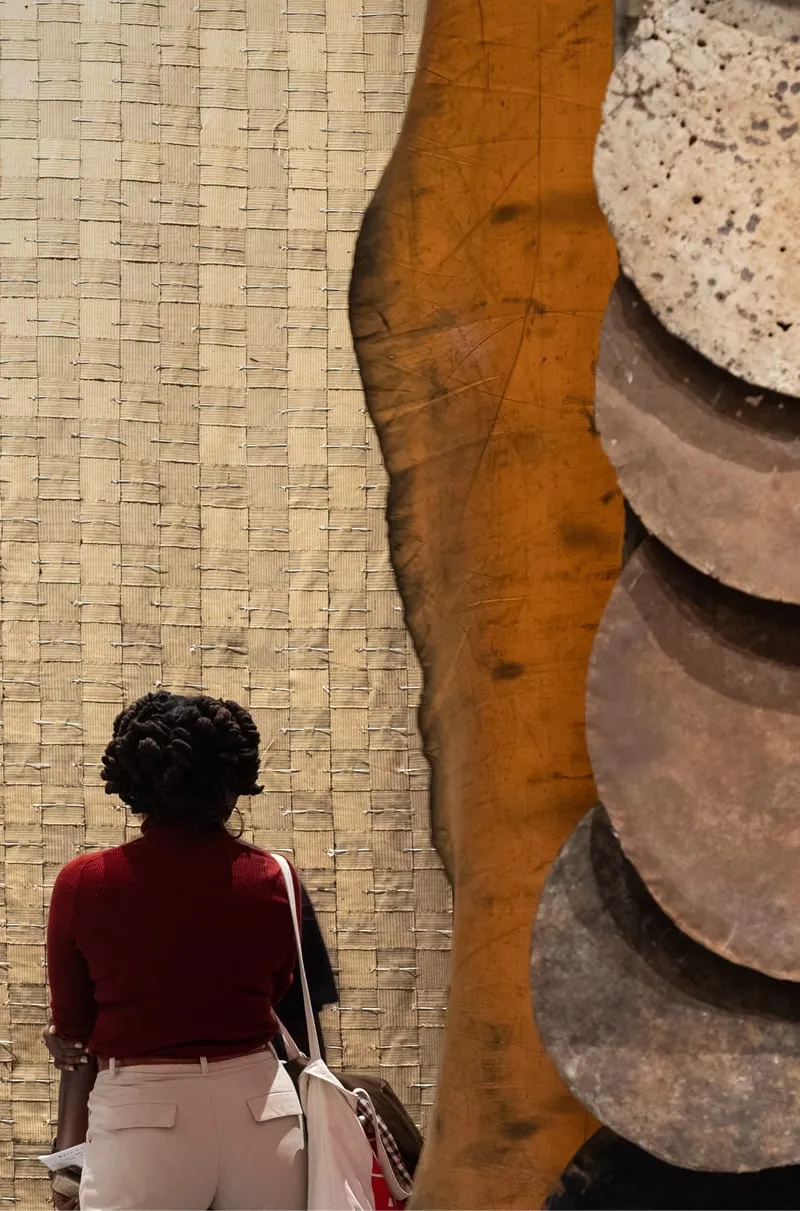
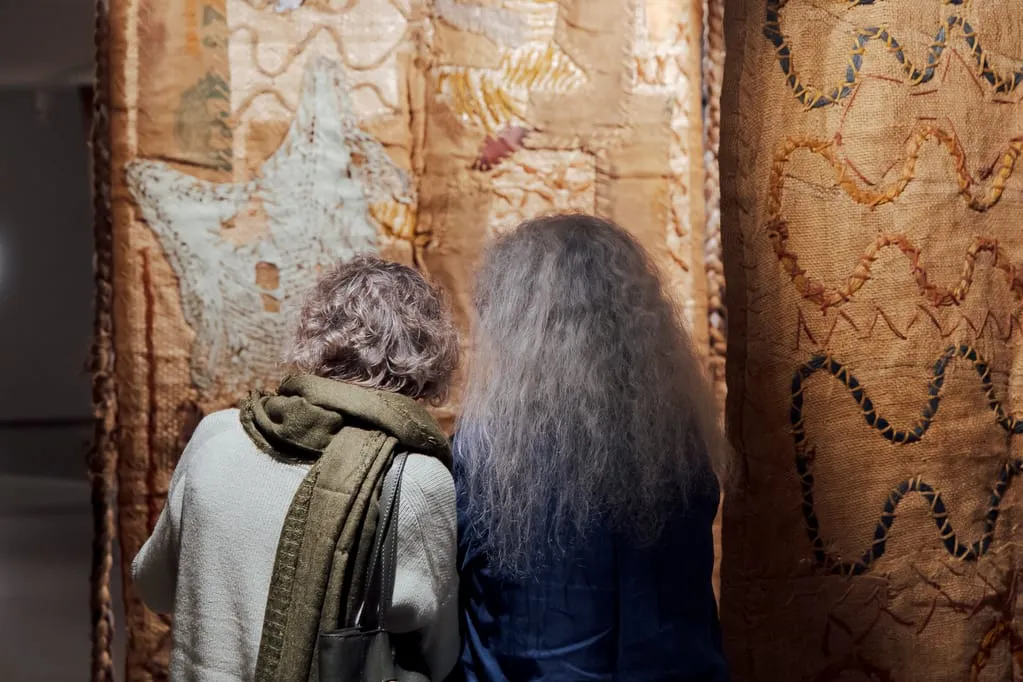
The Harvest Season exhibition offers a wide variety of mediums and textures. The artists draw inspiration from everyday objects and the heritage of their countries to explore materials and revitalize traditional crafts by transforming them. For them, the industrial and artisanal history of their countries is a source of inspiration, and must be preserved, valued, and continually reinterpreted in order to remain alive.
© Cyril Marcilhacy 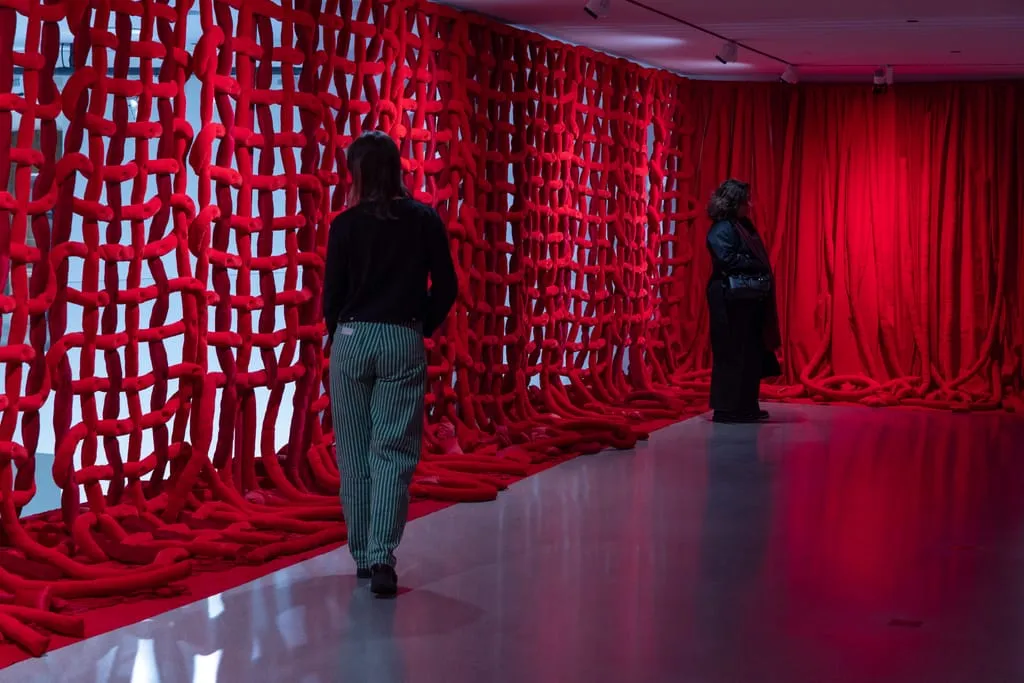
© Thibaut Voisin 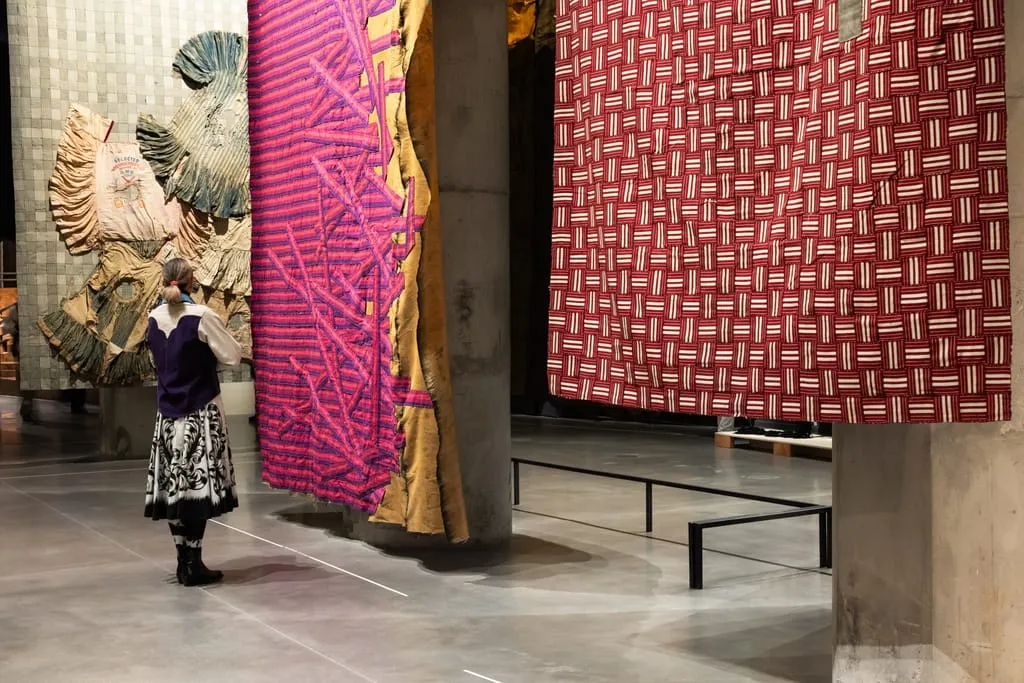
© Thibaut Voisin 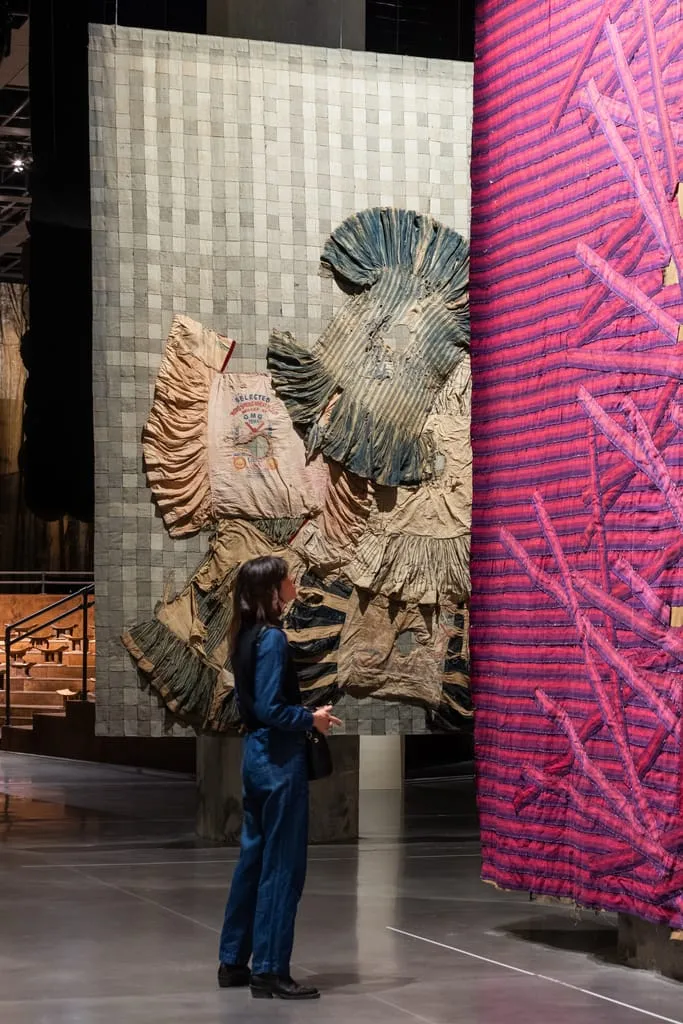
© Thibaut Voisin 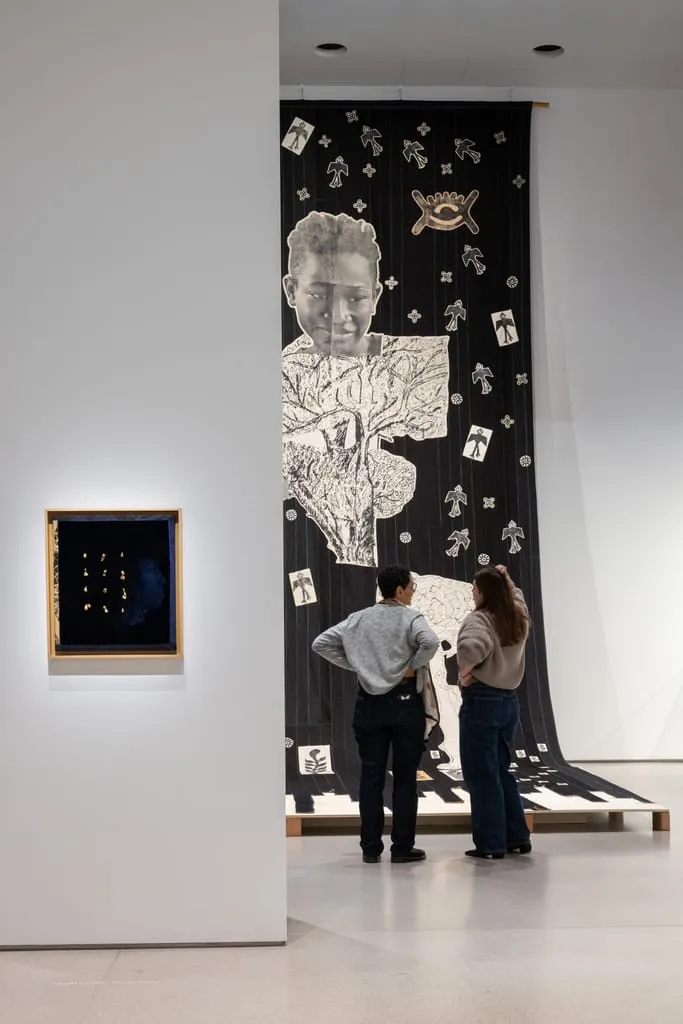
© Thibaut Voisin
Materials & textures
© Cyril Marcilhacy 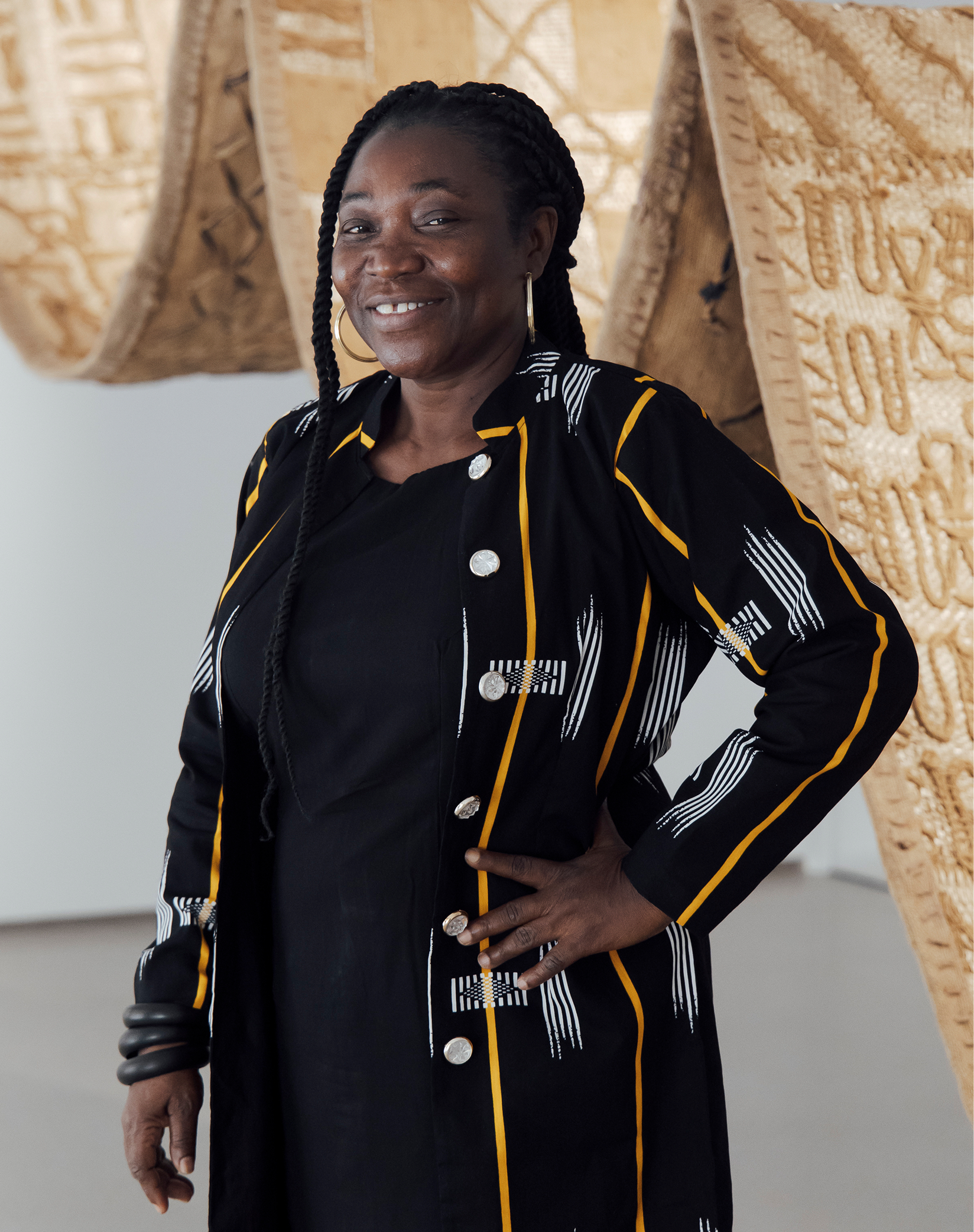
© Cyril Marcilhacy 
© Cyril Marcilhacy 
© Cyril Marcilhacy 
© Cyril Marcilhacy
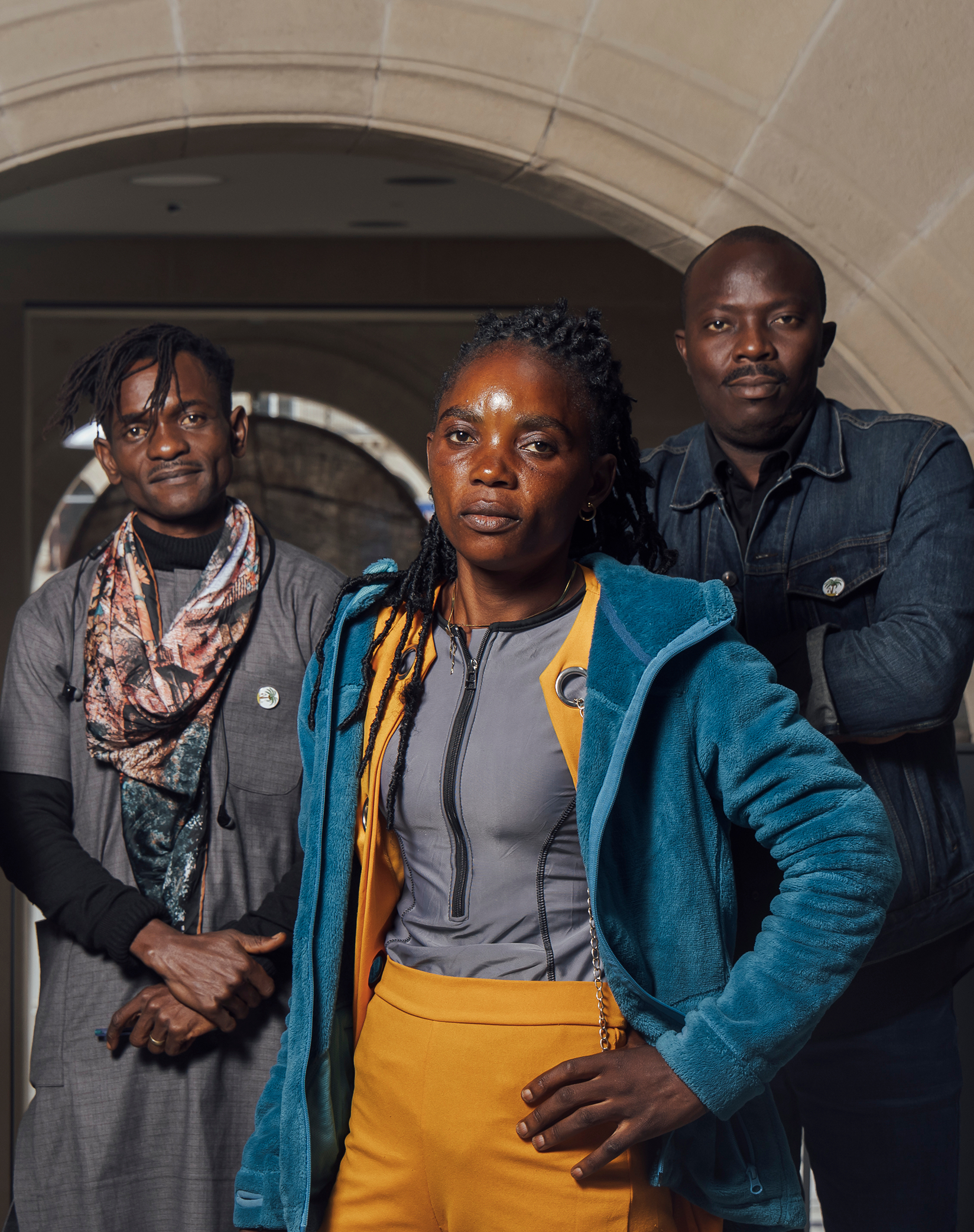
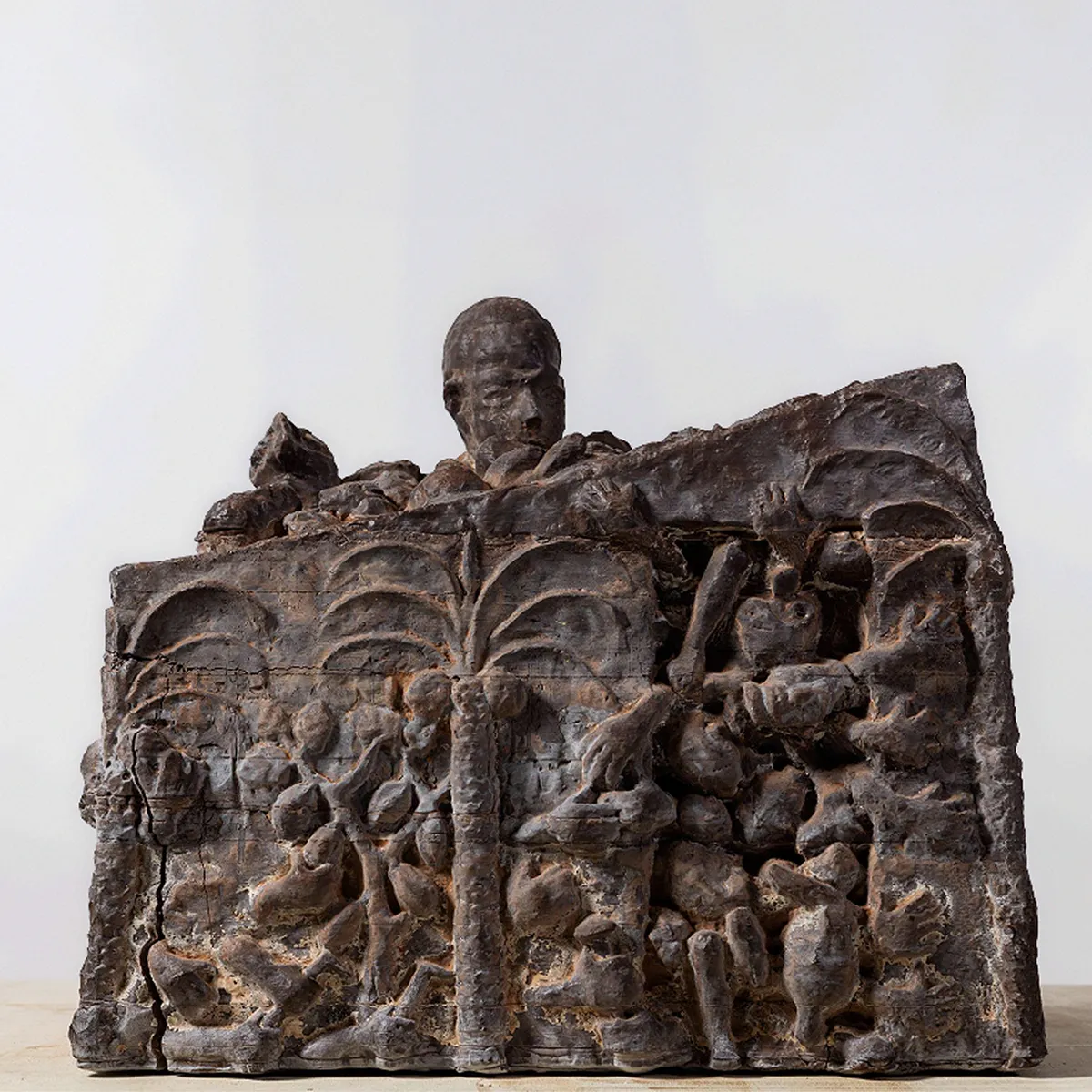
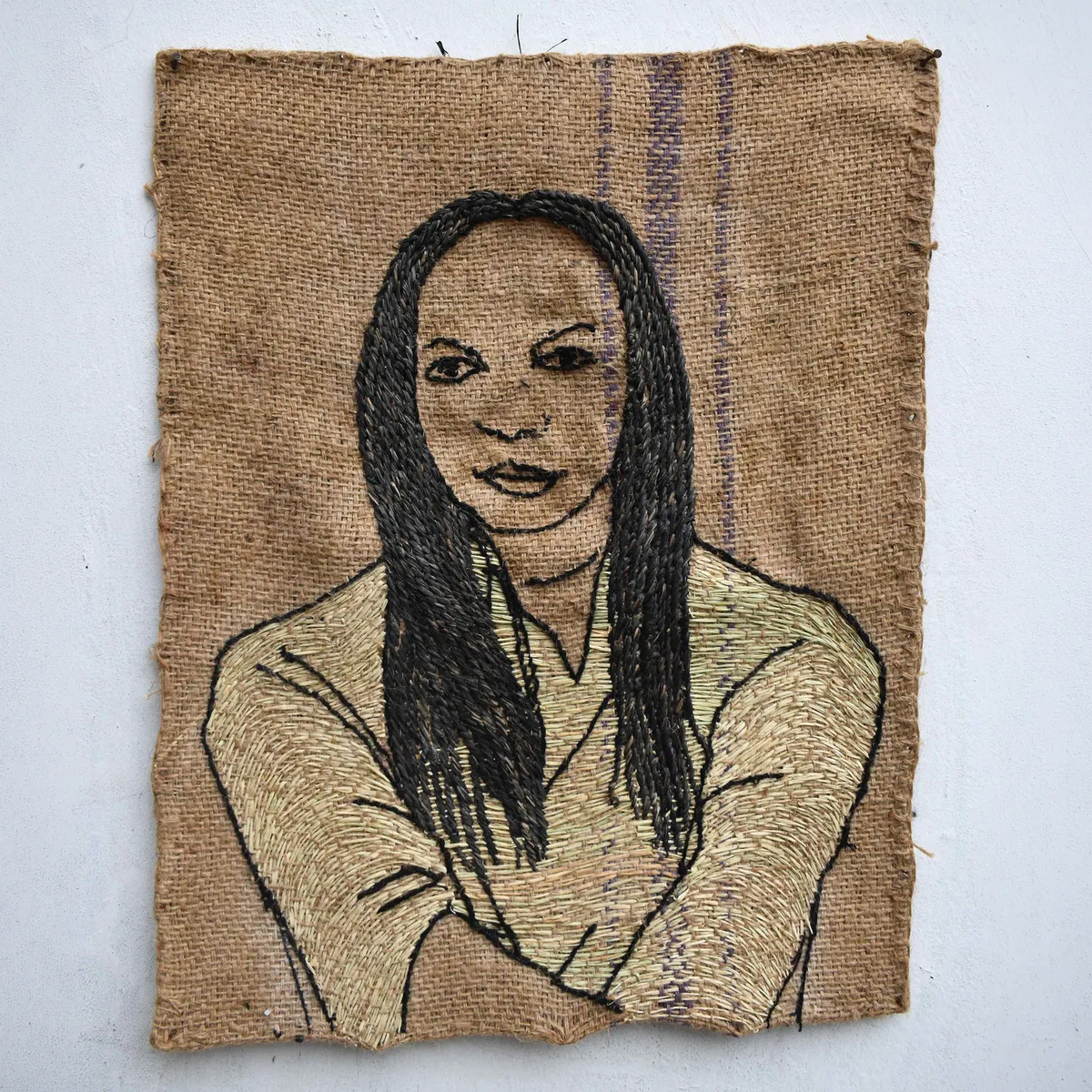
The Cercle d’Art des Travailleurs de Plantation Congolaise, or Congolese Plantation Workers Art League (CATPC) chooses to work only with materials sourced from the plantation: clay, cocoa, palm oil, burlap, or bags used to transport charcoal. In doing so, they restore value from their land, giving it a new purpose and enabling it to escape the extractivist and imperialist logics that have subjected their community to forced and underpaid labor for decades.
The artists' fragments on the same theme
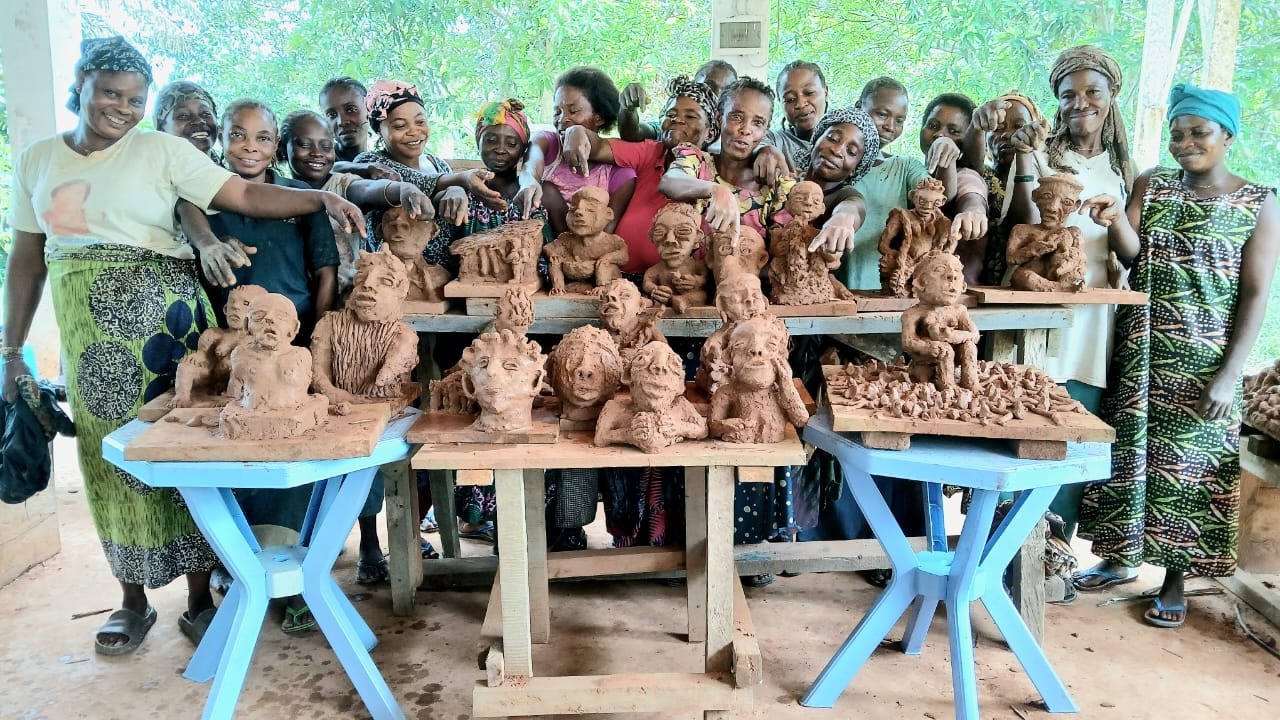
We set out to open our training center for young people and for our community, the Luyalu School. We call it an autonomous center and circle. An autonomous circle for the transmission of knowledge. We learn English and French; one can learn how to weave raffia, one can learn how to model a sculpture, one can also learn a bit of computer skills. There are really many things that we learn. One can learn agronomy, how to plant, how, uh, to plant well with our lands, how to respect the land, not to use chemical fertilizers, but rather natural fertilizers like the leaves of Acacia mangium, for example. So it's things like that that we are passing on to our young people and to our whole community within the Luyalu School for the future, to take over for the artist-planters of tomorrow.
Matières & textures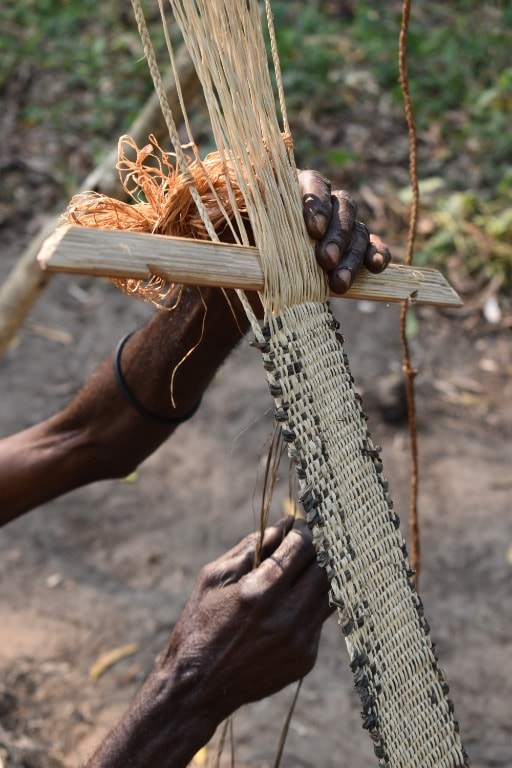
Raffia Image credits: Papa Olele, 2026, Photo: Alphonse Bukumba Close-up of Africa Empty, Europe Full up, Ced’art Tamasala / CATPC, 2021, Staple: What’s on your plate?, Hayy Jameel, Jeddah, 2022, courtesy of Art Jameel Raffia is pulled from the frond of the palm, fibre by fibre, with a traditional Pende knife. The fibres are then woven into rope, baskets, belts and everything else a household needs. In Lusanga, this was once common knowledge. As Papa Olele, a community elder, recalls: "In our time, every child knew how to draw raffia and make something with it. Today our children are cut off from this knowledge." For a century, Lusanga's palms served Unilever's oil, and the workers' hands with them. Raffia had no place in that system, and the knowledge of how to work it was left to disappear. For CATPC, raffia is one of the things the artists safekeep, so that ancestral and traditional methods can continue. The collective uses raffia in some of its embroidery works, carrying the material and its techniques into its artistic practice. The same knowledge is now being passed on to the next generation at the Luyalu school, CATPC's own school, created to teach what the official schools do not. Papa Olele teaches raffia work there, and a tool has been installed beside the classroom so the children can practise what they learn.
Matières & textures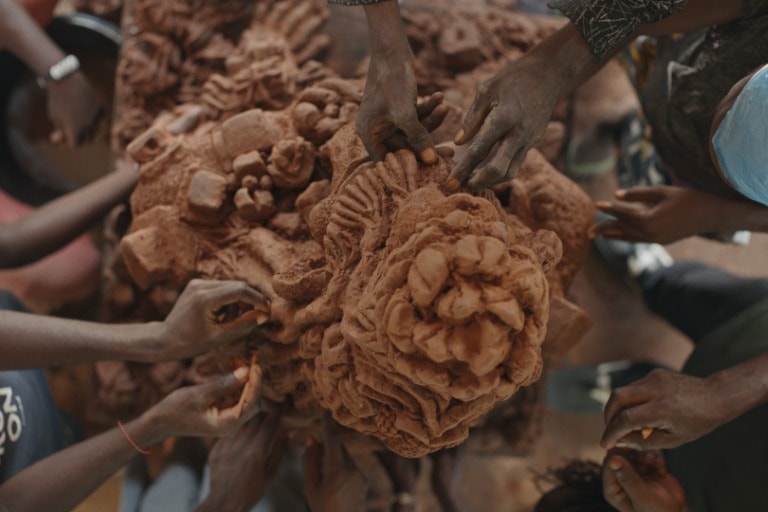
CATPC’s sculptures Image credits: Film still from CATPC, CATPC, 2024, courtesy of Human Activities, image: Jurgen Lisse CATPC’s sculptures are created collectively in their atelier in Lusanga, modeled from plantation soil. Every piece starts with an artist's idea, shaped into a small model and brought to the kinzonzi—an ancestral practice of gathering in a circle to discuss and decide together. In the kinzonzi, the collective examines the model, asks questions about its meaning, and refines the narrative before deciding whether to build it in clay at full scale. The creation process is shared, with members contributing specialized skills like shaping eyes or hands. Once completed, clay sculptures are 3D-scanned and cast in plantation commodities such as cacao and palm oil. Imbued with the historical guilt and cruelty of plantations, these works function as contemporary power objects that expose ongoing atrocities while safeguarding the community. Furthermore, sales from these sculptures generate revenue to buy back land and restore sacred forests. By utilizing cacao and palm oil, CATPC reclaims narrative power from conglomerates like Unilever, whose branding historically erased the violence experienced by plantation workers
Matières & textures