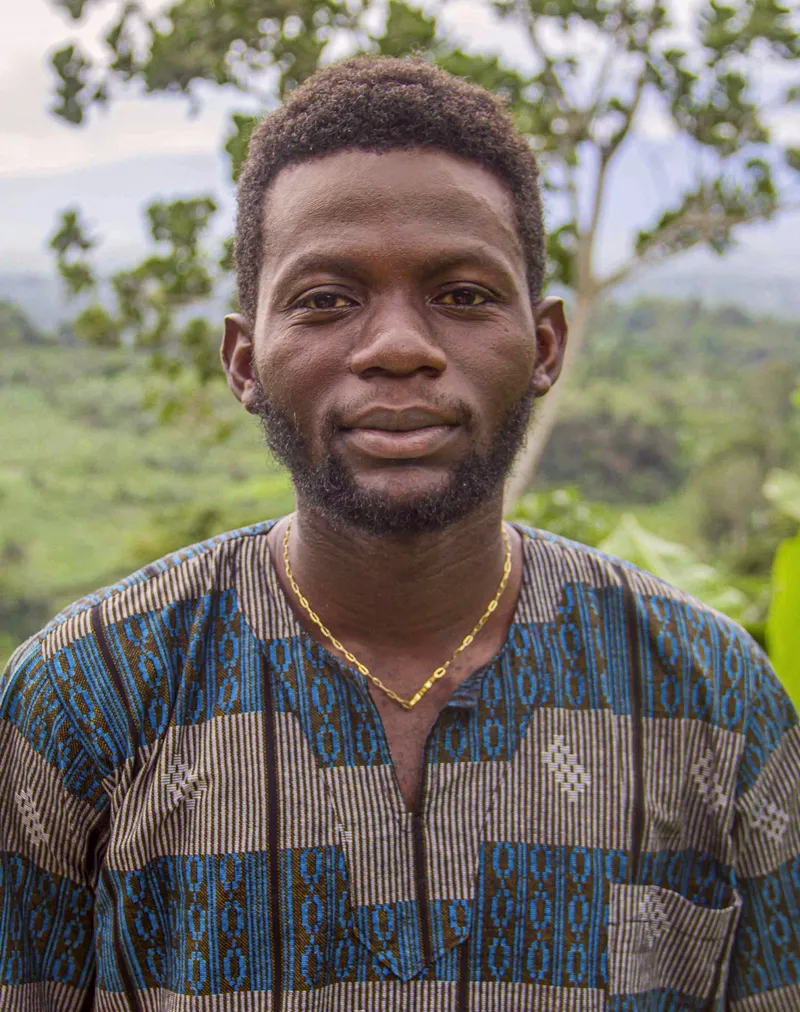
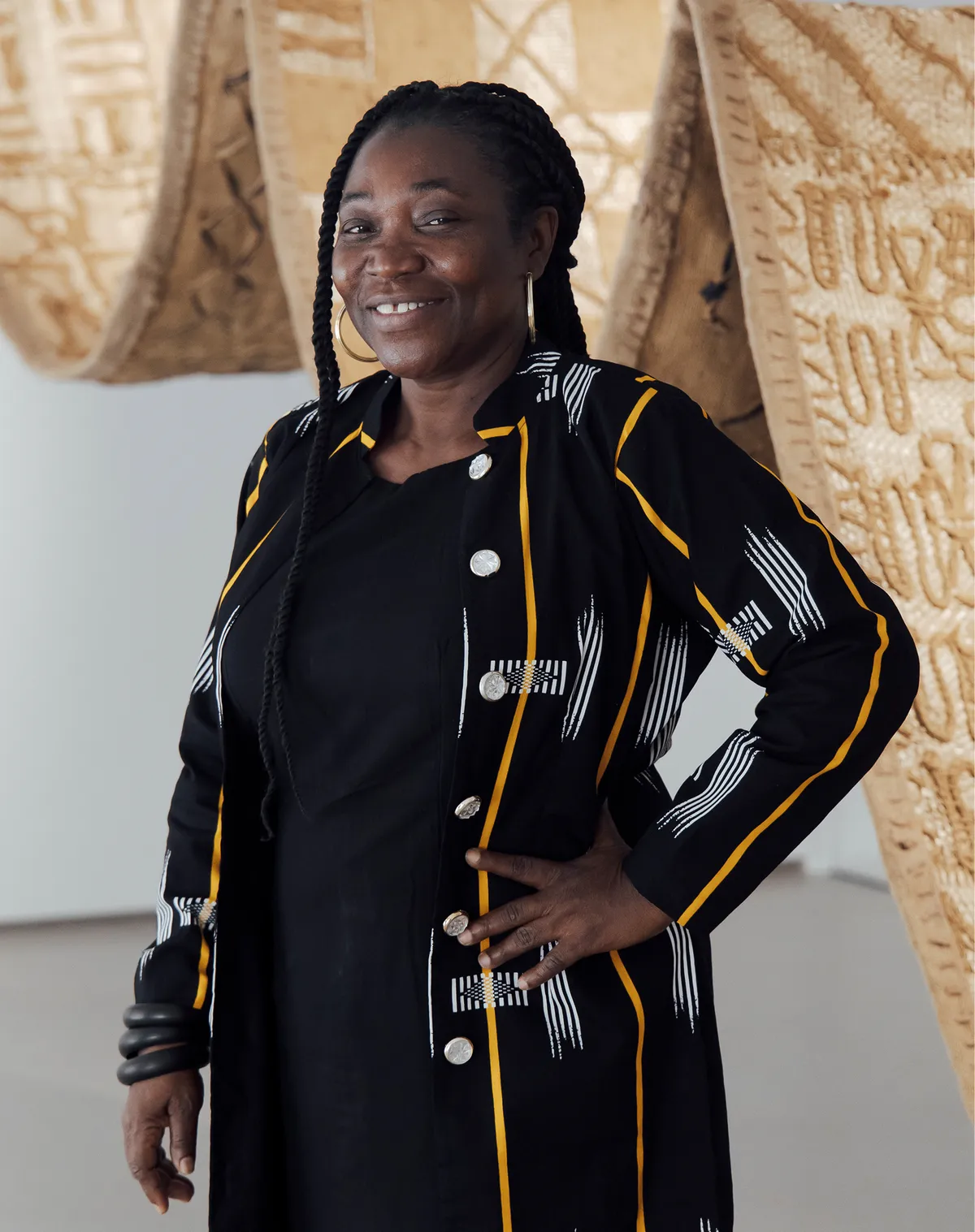
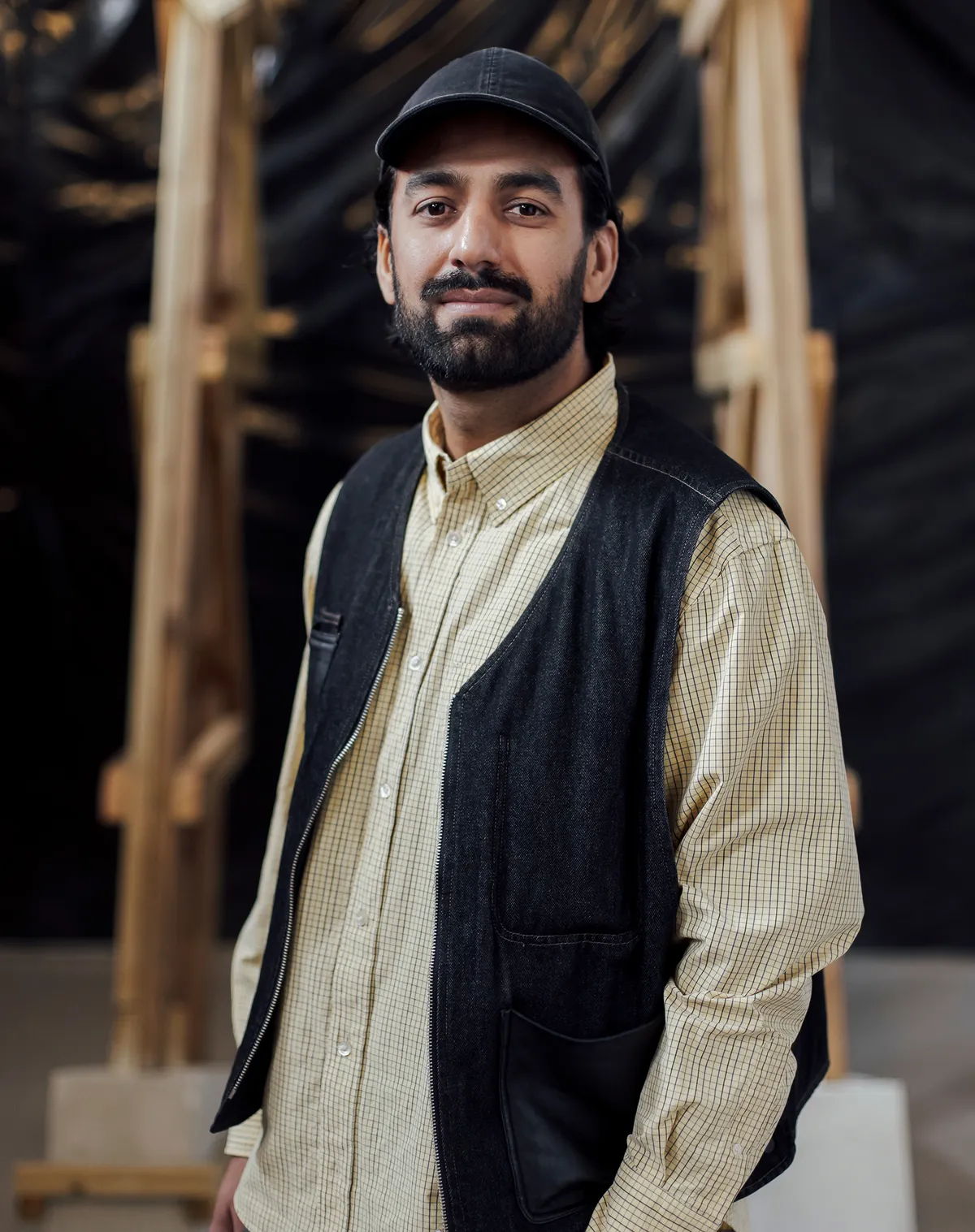
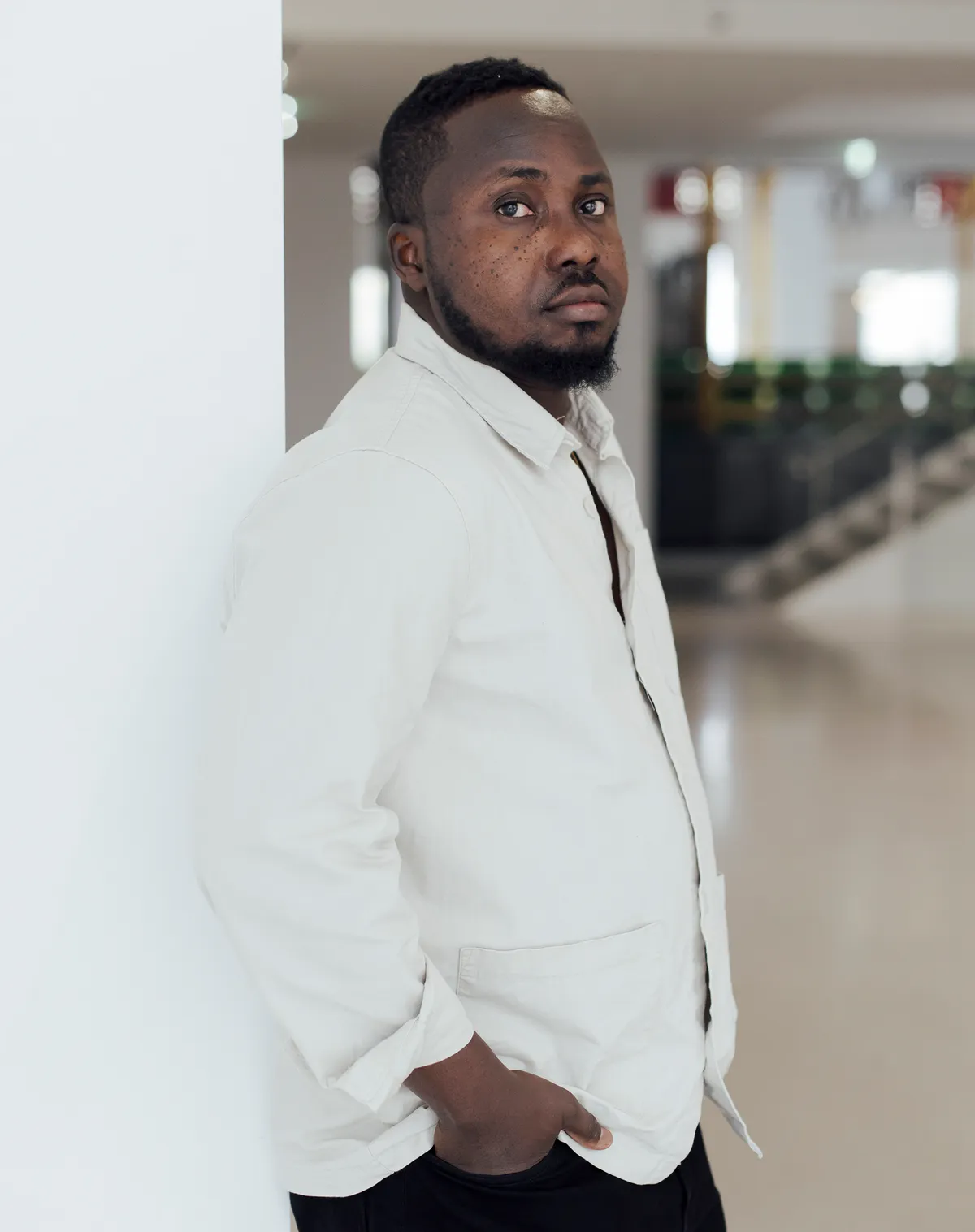
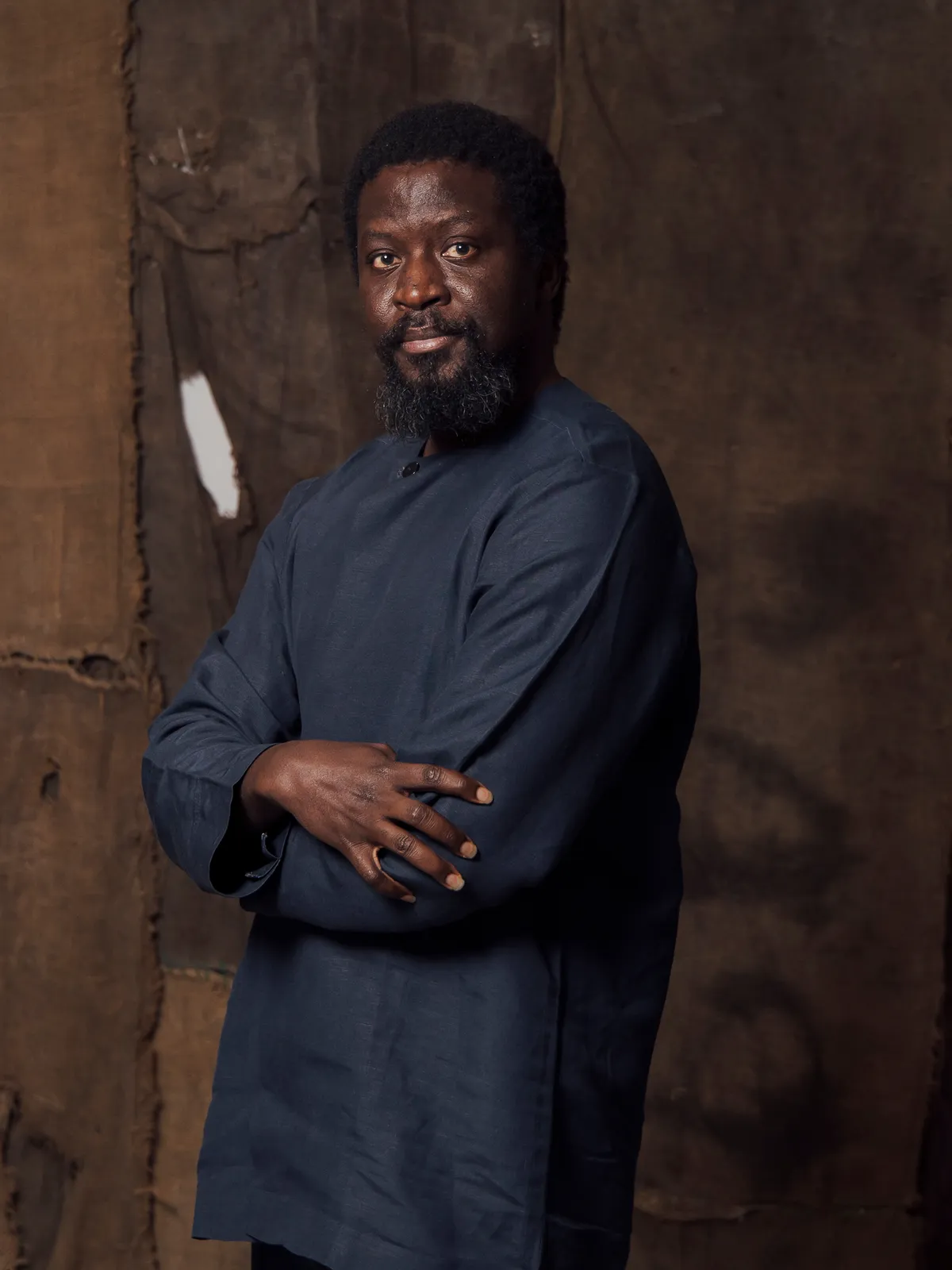
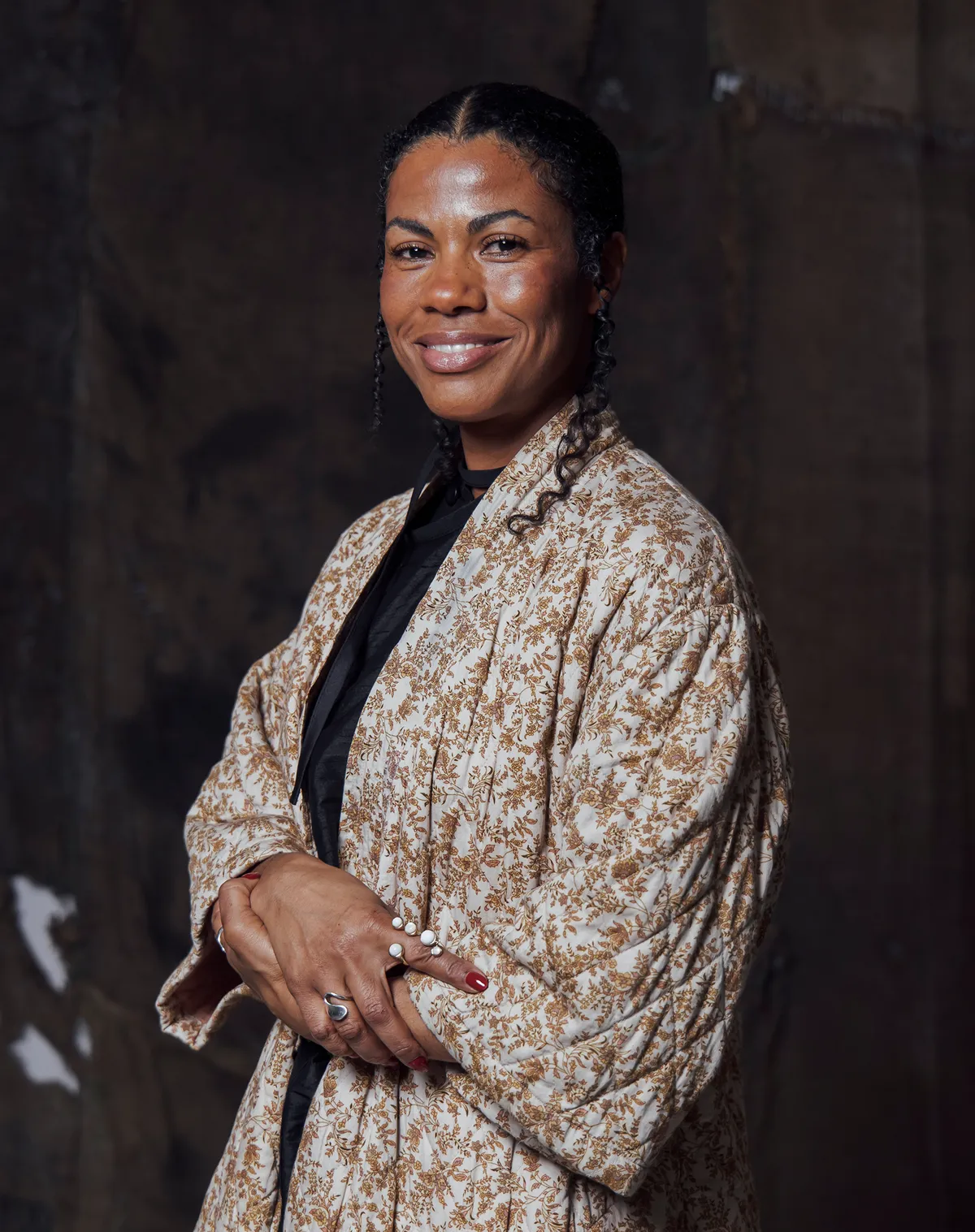
Courage Dzidula Kpodo is a Ghanaian architect. A graduate of KNUST in Kumasi and MIT in Boston, his work explores the links between architecture, memory and social transformations. Through installations, research and architectural projects, he is interested in everyday buildings and the stories they carry. His works question the evolution of territories, the legacies of the architectural movement of tropical modernism and the place of vernacular architectures in the history of Ghana.
"I think the greatest value of an exhibition is that it makes you want to learn more about what you are seeing.
Courage Dzidula Kpodo
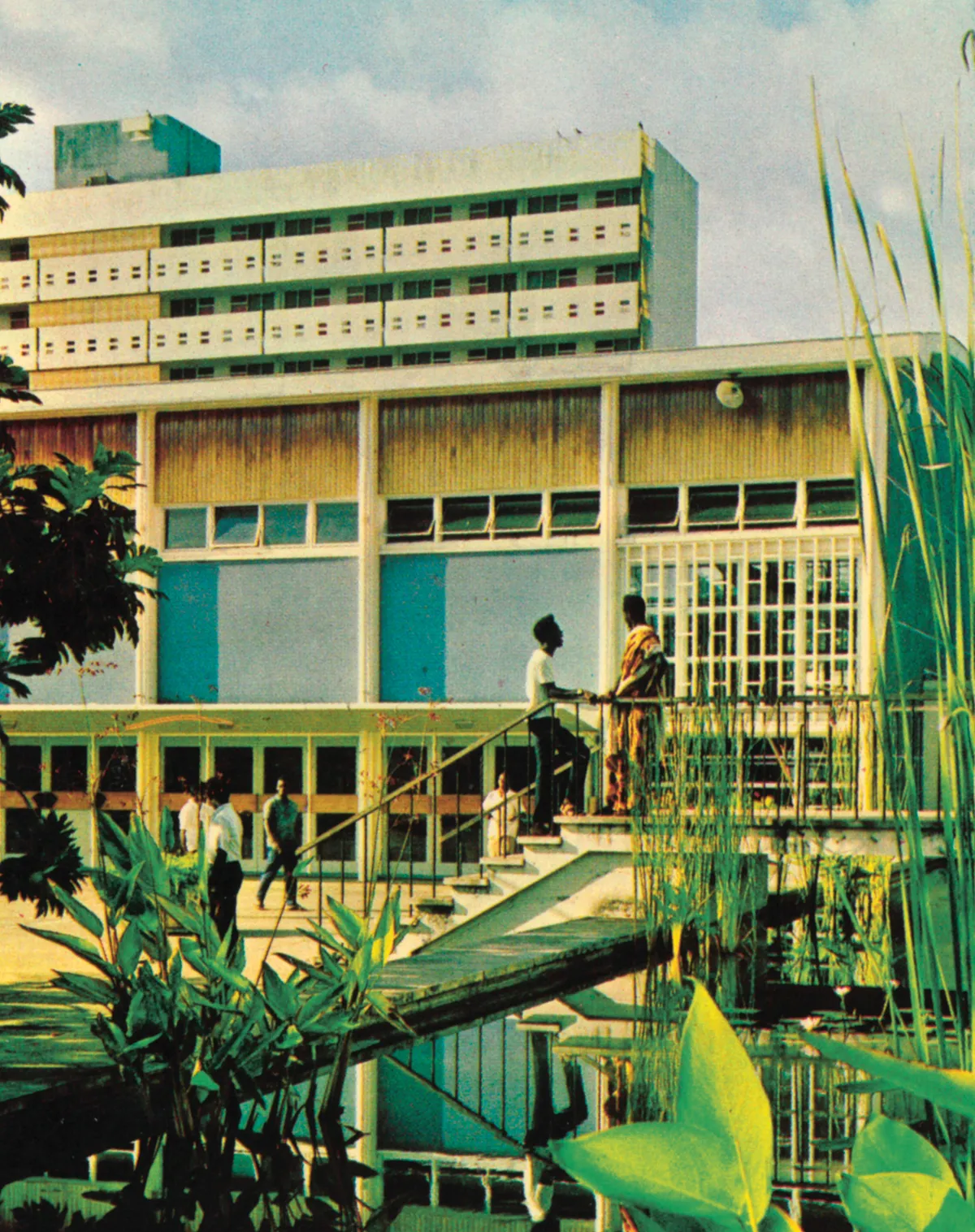
Architect and artist, Courage Dzidula Kpodo studied at KNUST in Kumasi and then at MIT in Boston. He develops a practice that examines the history of Ghanaian architecture and the narratives that shape collective memory. His work focuses particularly on ordinary buildings, which are often missing from official archives, but are essential to understanding the social and economic history of Ghana.
His research focuses on the material traces of the 20th century and on the transformations of built landscapes since African countries gained independence. Through the study of buildings, photographs, postcards, and visual archives, he explores the way architecture contributes to the construction of national identities. His approach combines historical investigation, observation of the territory, and critical reflection on the legacies of tropical modernism.
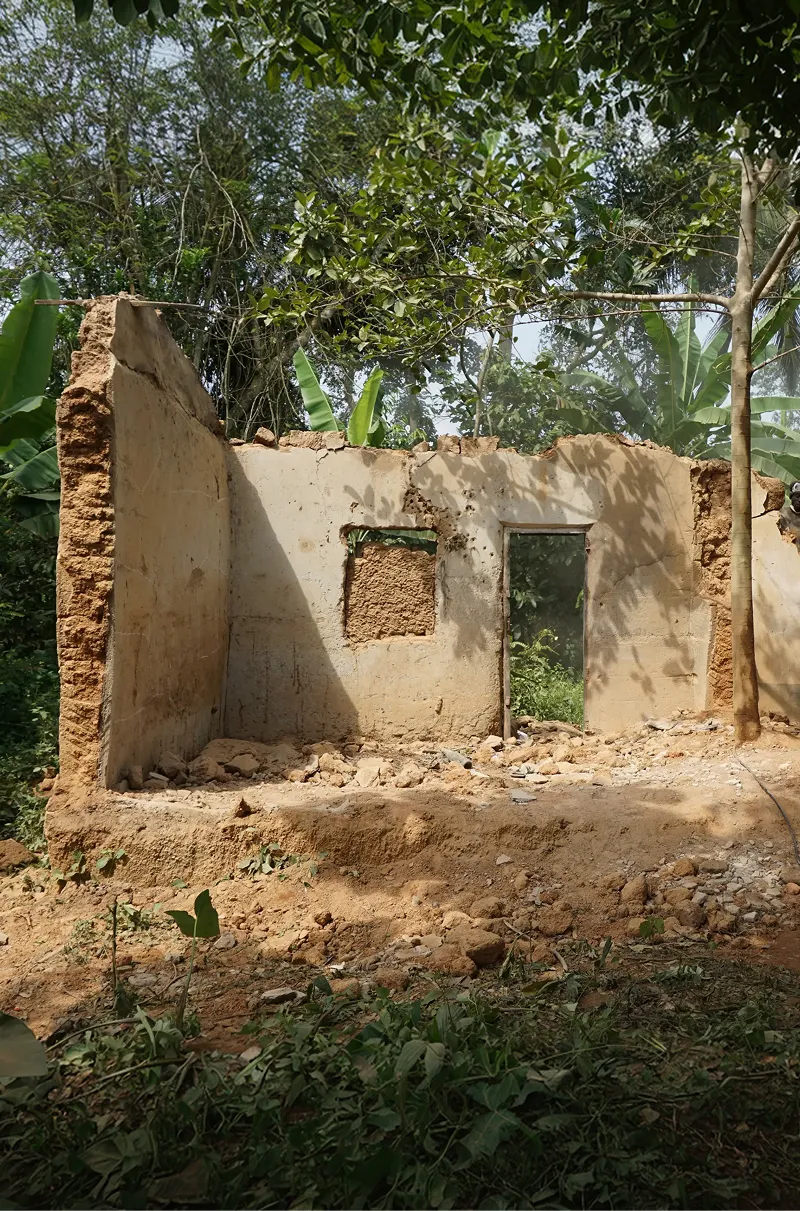
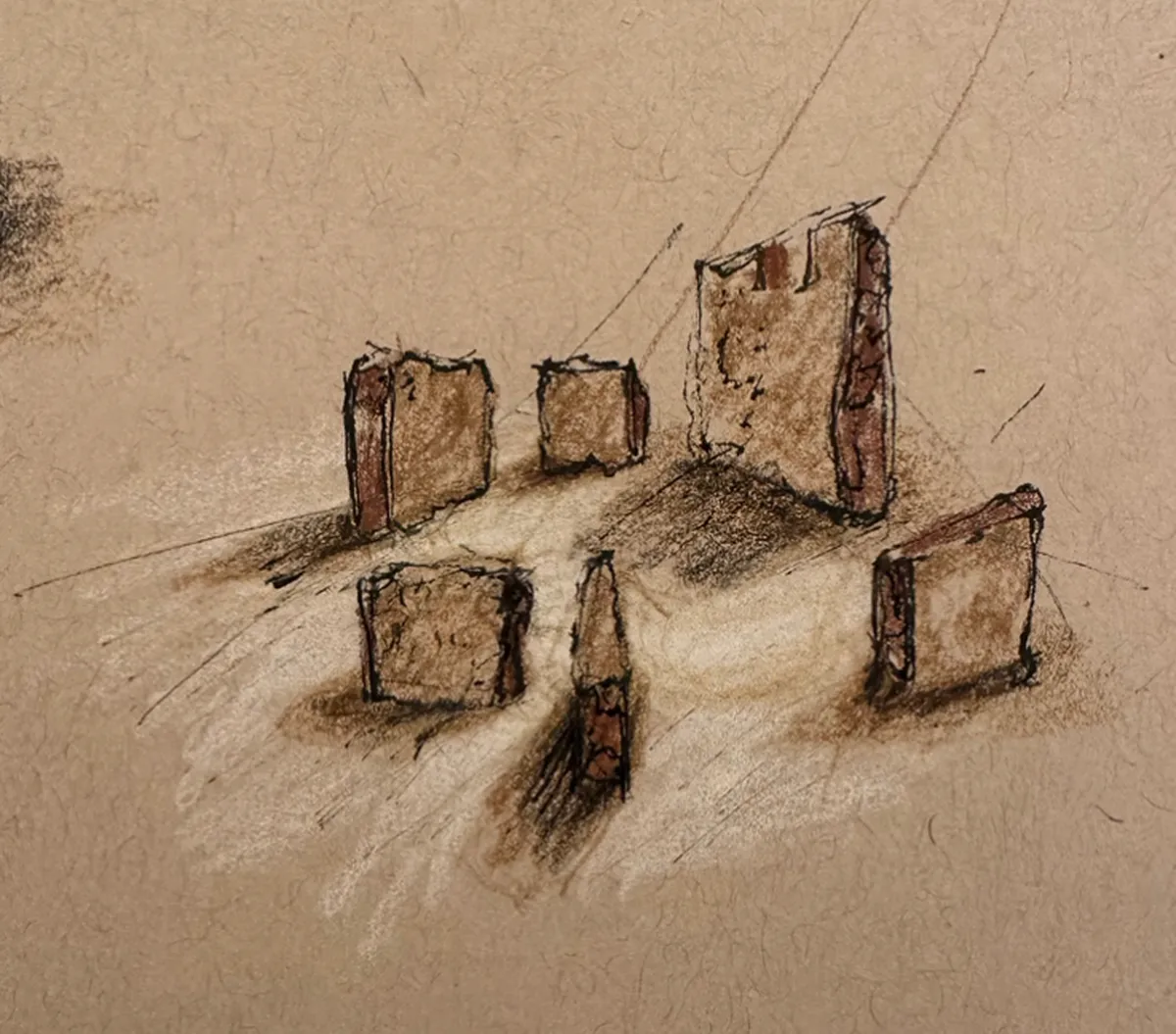
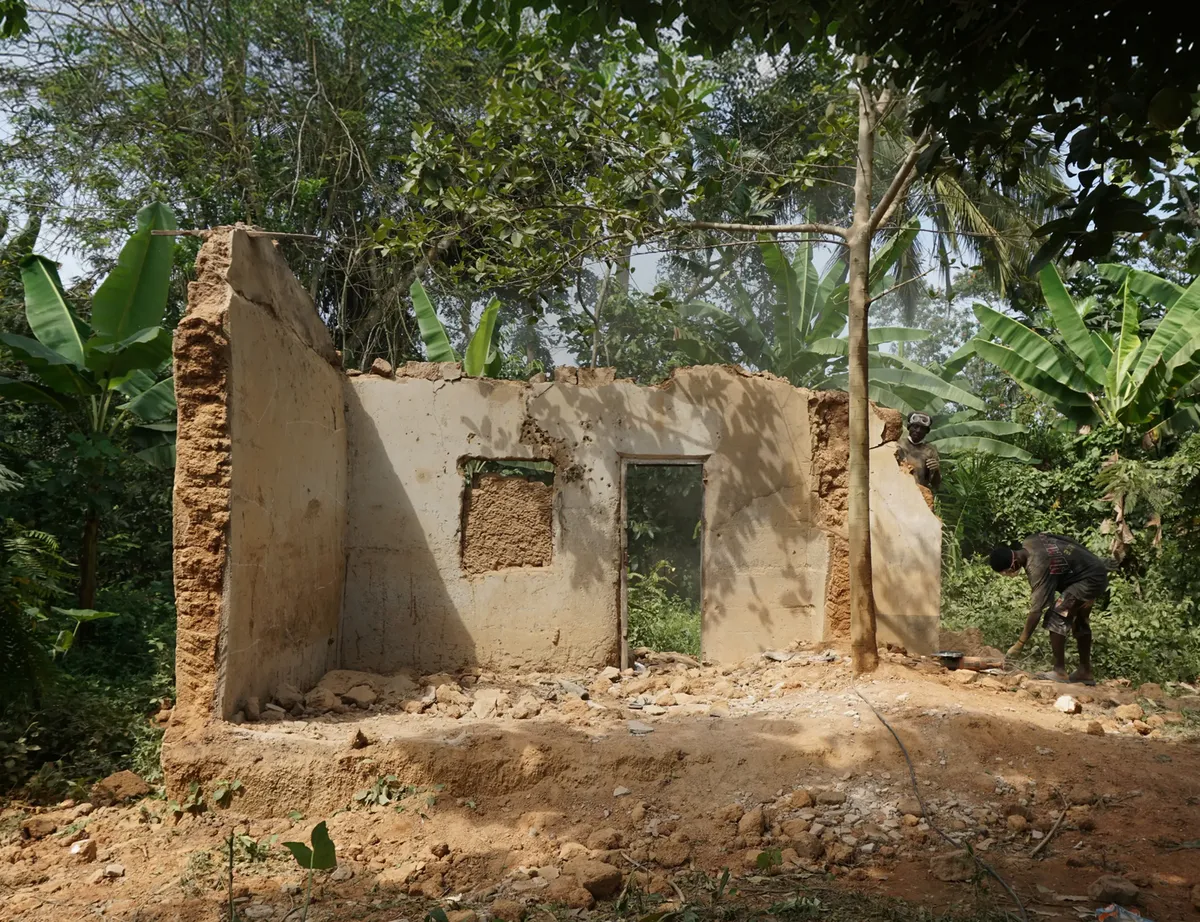
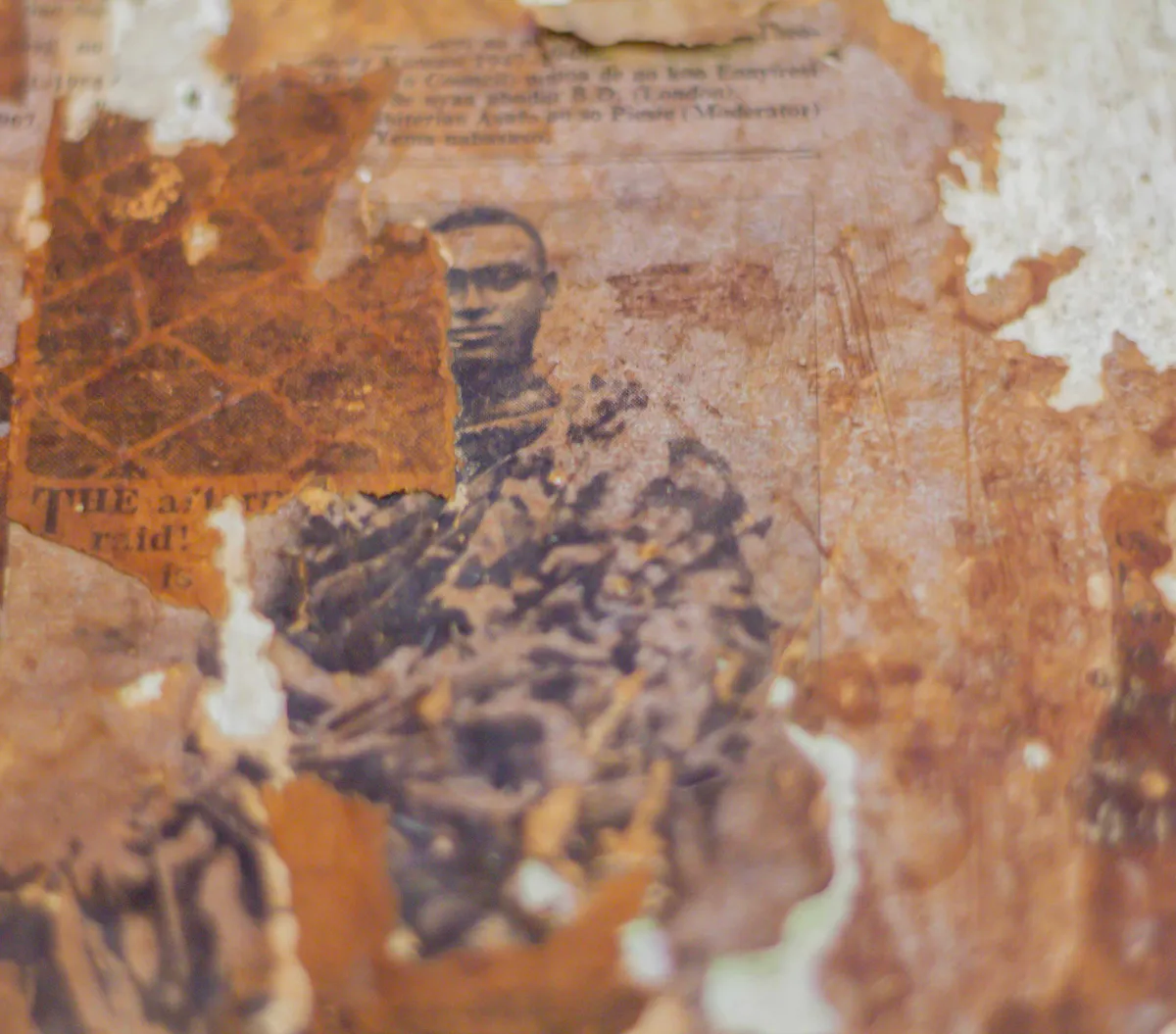
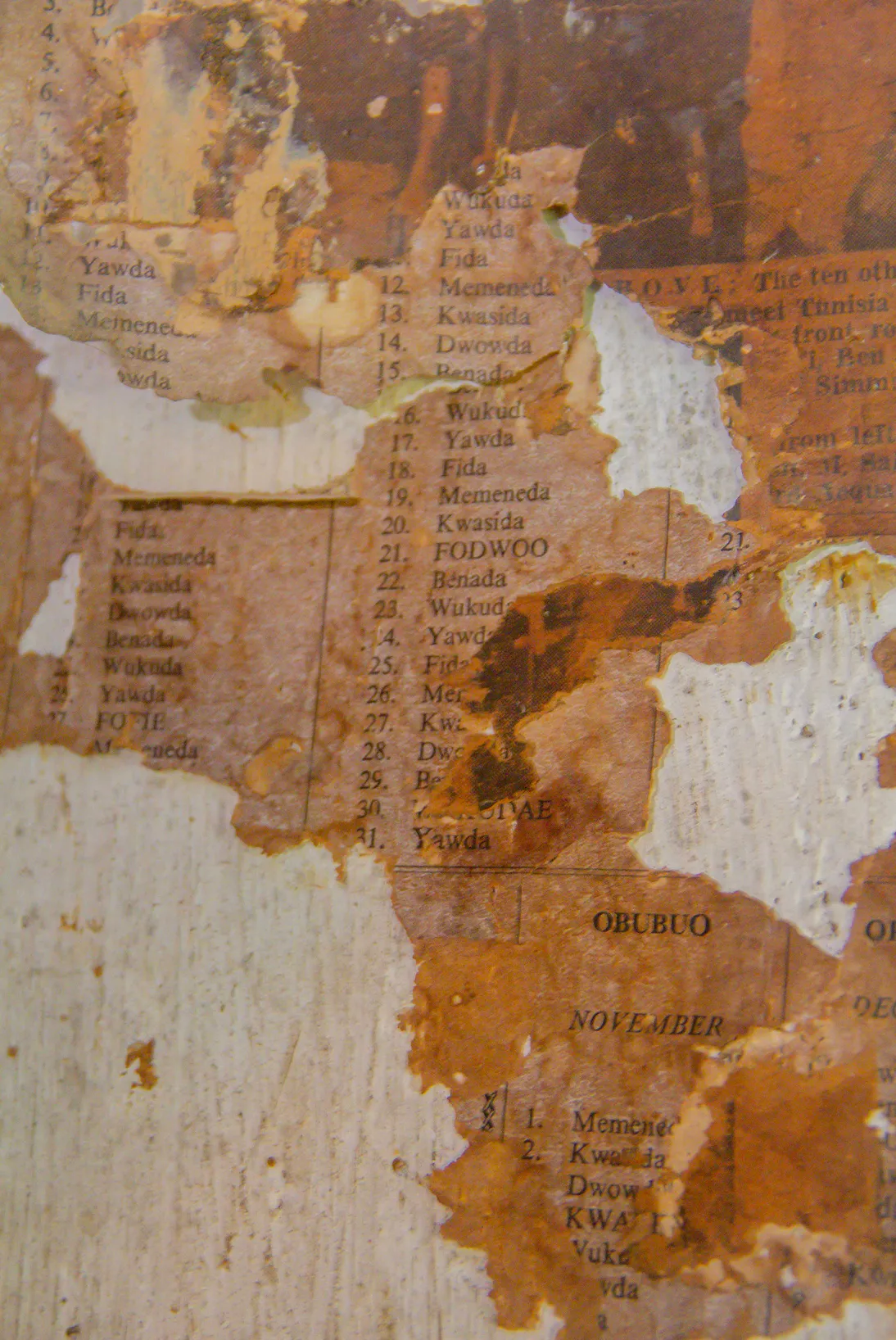
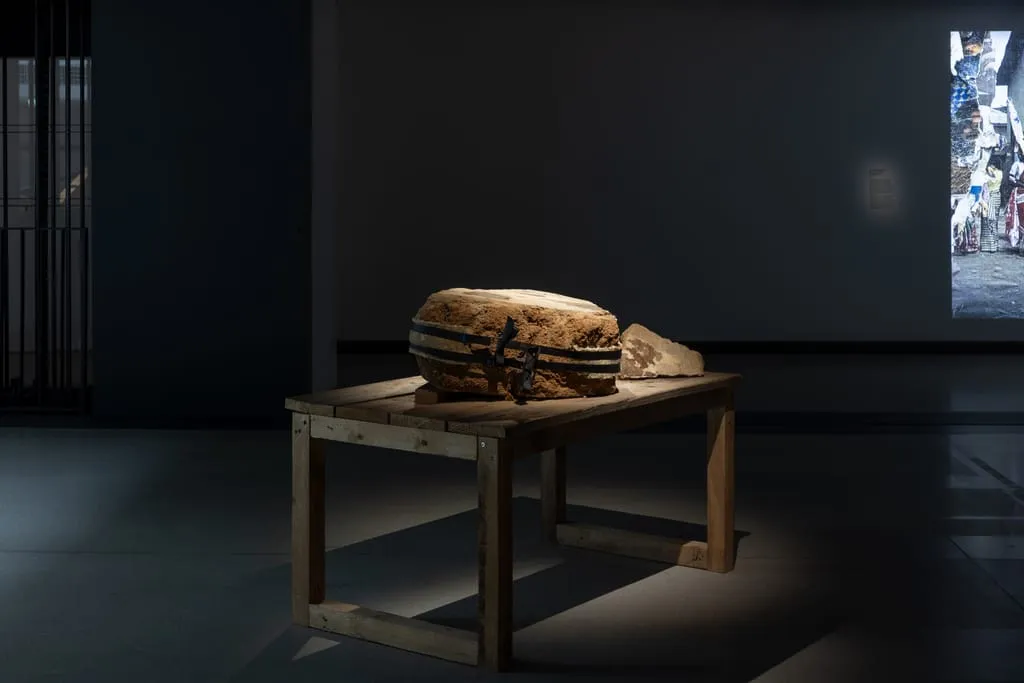
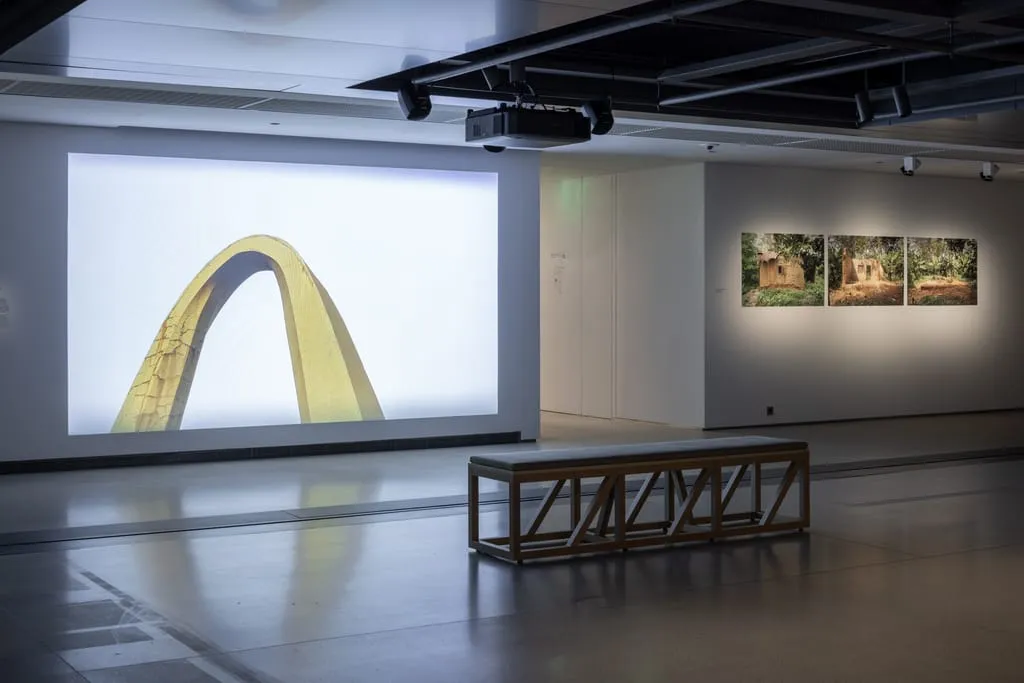
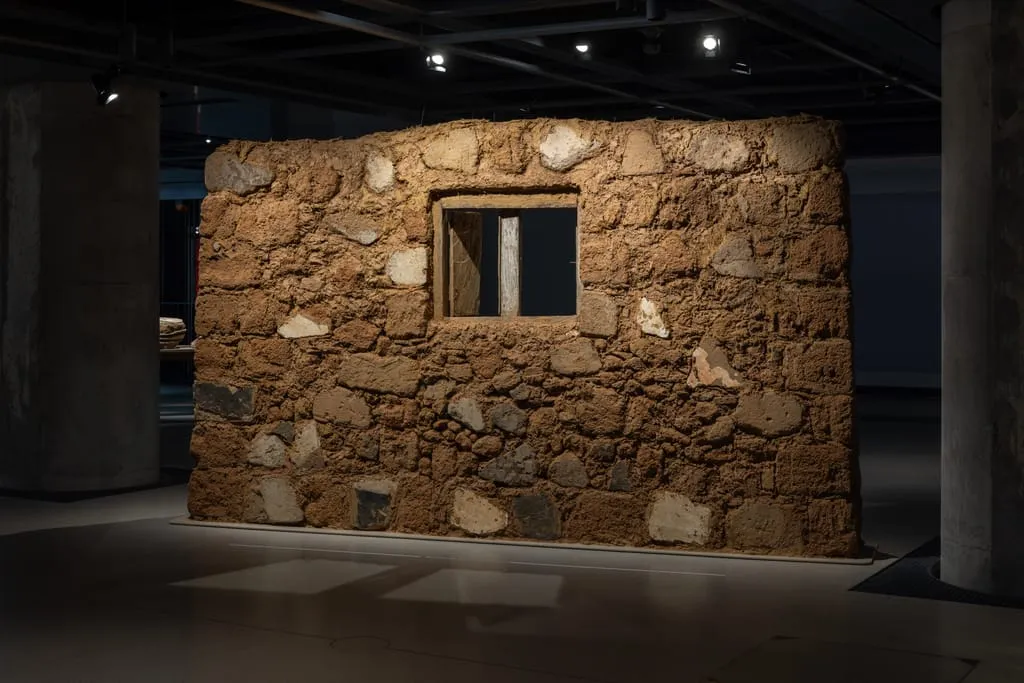
His works take the form of installations, films, and research projects. For Our Early Plans (2026), he dismantles and then reassembles the fragments of an old cocoa farmer's house made of red earth, revealing the history of a long-neglected vernacular architecture.
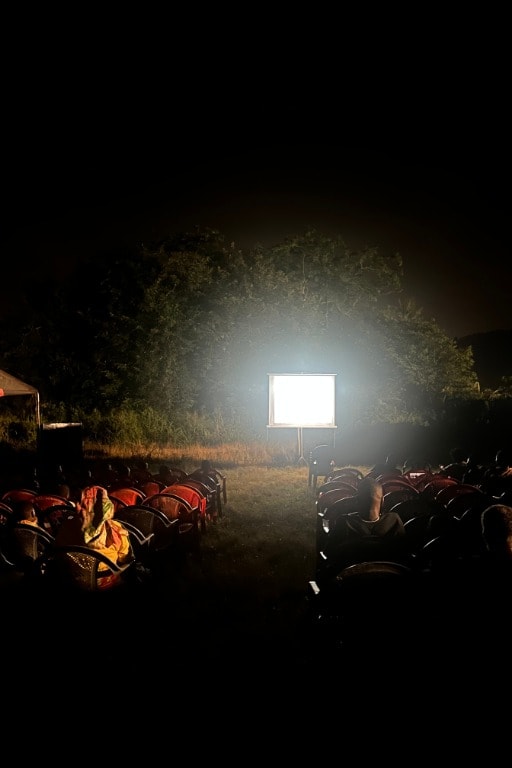
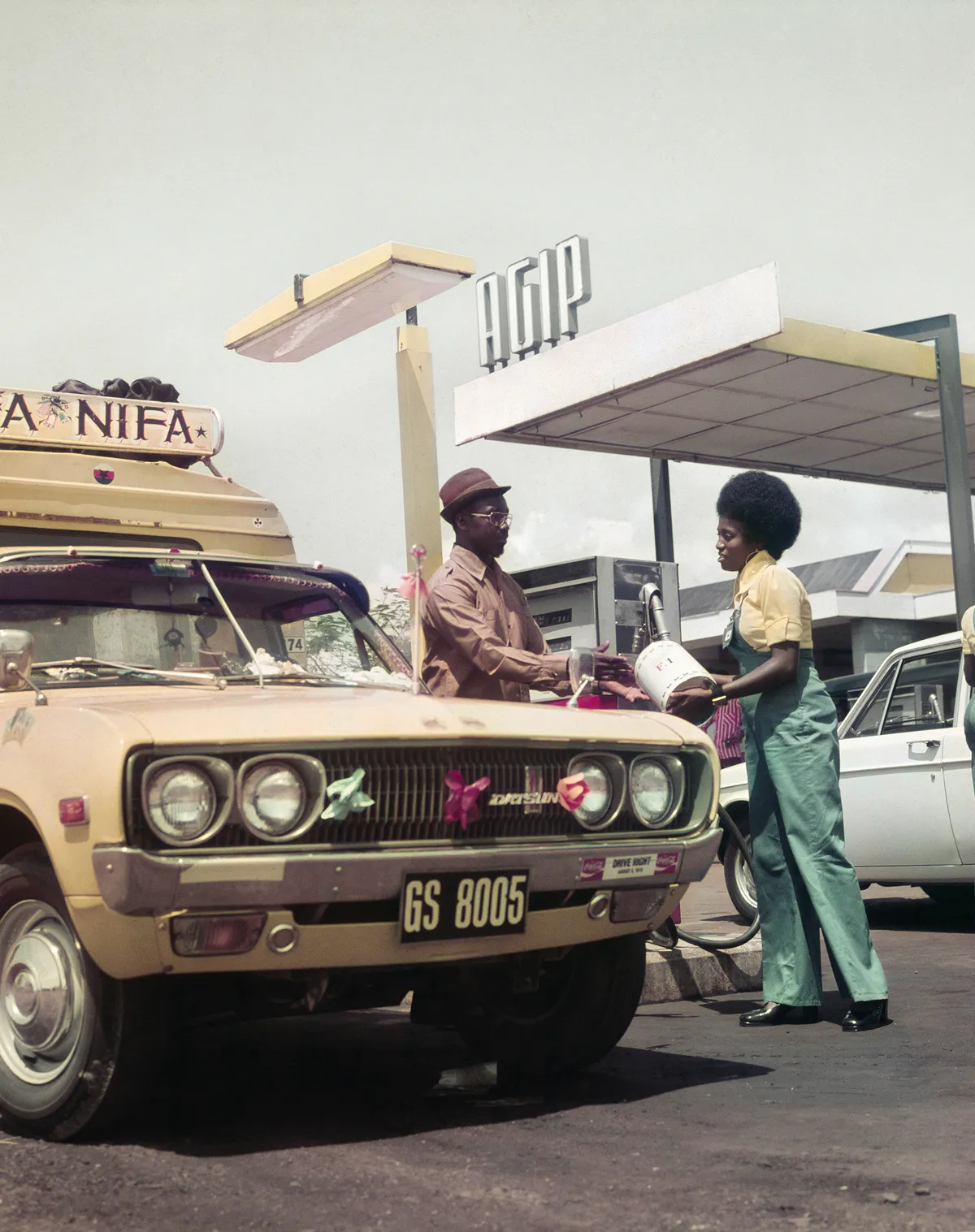
A night screening in Yaa-Aso, a farming community named after the cocoa farmer who founded it. In the years after independence, the Ghana Information Services drove mobile cinema vans into villages like this one, bringing films and news to people far from any cinema hall. Some older residents who came to our screening remembered those nights. I now organise a series of outdoor screenings in these communities, with the first set of films chosen by the filmmaker Faiba Bernard and conversations led by Kantinka. The series grew from my research into a 1959 map of television coverage in Ghana, which shows how the new nation imagined reaching its people. Our screenings take up that idea from the other side: bringing contemporary Ghanaian films to a place, then staying afterwards to talk. This part of my work is about gathering people, as how one might gather a harvest.
Utopies collectives
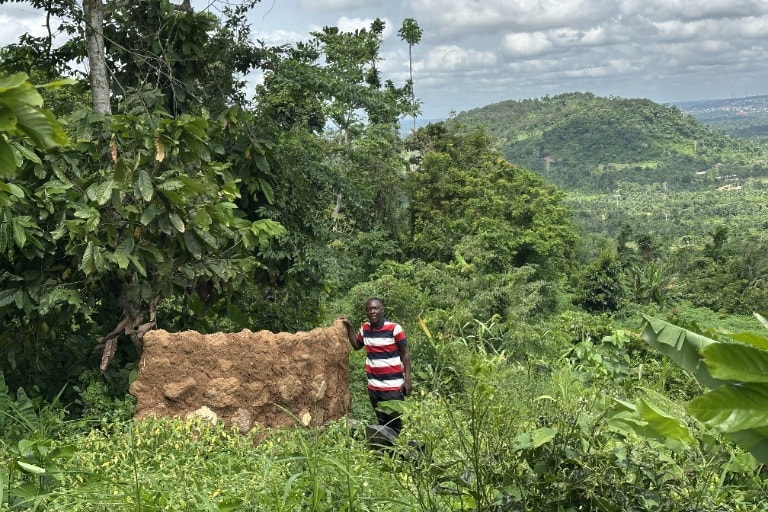
Eric, mon collaborateur de longue date, se tient à côté d’un mur de latérite reconstruit, édifié à partir de fragments d’une maison érigée il y a plusieurs générations dans une communauté voisine. Derrière lui, les cacaoyers et la vallée s’ouvrent sur les hameaux cacaoyers en contrebas. Nous acquérons de vieux bâtiments comme cette maison, mais pas le terrain sur lequel ils se trouvent. Cela a soulevé une question sur laquelle je continue de réfléchir : que signifie posséder un bâtiment sans posséder le terrain sur lequel il se trouve ? Après avoir adressé une prière au bâtiment, nous découpons ces murs en blocs suffisamment petits pour être transportés, puis nous les déplaçons afin de les intégrer à une nouvelle construction. Chaque découpe révèle l’histoire du mur : de la latérite rouge à l’intérieur, du ciment et de la peinture ajoutés au fil des décennies. Des reconstructions comme celle-ci
nous ont appris ce dont ce matériau est capable et comment il se comporte. Dans Le Temps des Récoltes, ces fragments transportent la mémoire des premiers cultivateurs de cacao jusqu’à nos jours, et démontrent que ce que ces agriculteurs ont construit constituait une modernité à part entière.
Architecture & Patrimoine
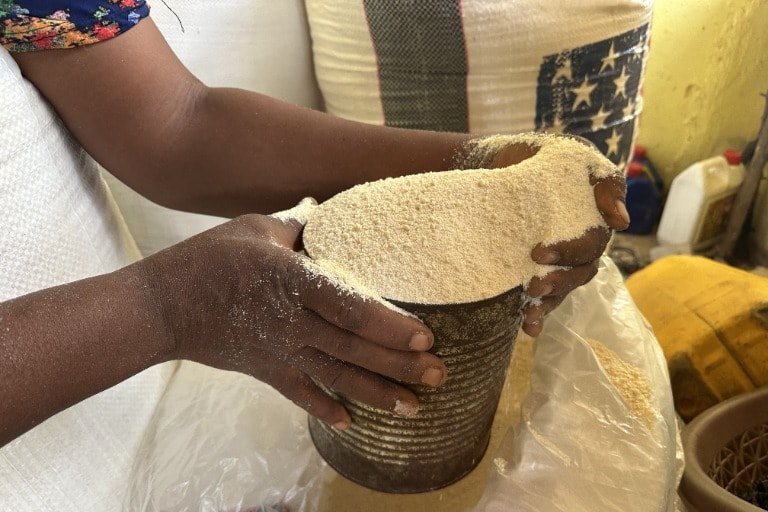
Gari, a staple coarse flour made from grated, pressed and roasted cassava, measured out by hand in a reused tin, the everyday unit of the rural market. It is one of the foods the farms around Yaa-Aso now produce more of, as cassava takes up land that once went to cocoa. The woven sack behind it, printed with stars and stripes, is the kind of cheap imported bag that carries grain, flour and charcoal across West Africa, a cousin of the jute cocoa sacks at the heart of Ibrahim Mahama's work. The harvest this exhibition speaks of is not only cocoa, which leaves for factories abroad. It is also the food that stays: processed largely by women, measured in tins, sold and eaten locally. Reading it that way reconsiders what we count as value in these landscapes.