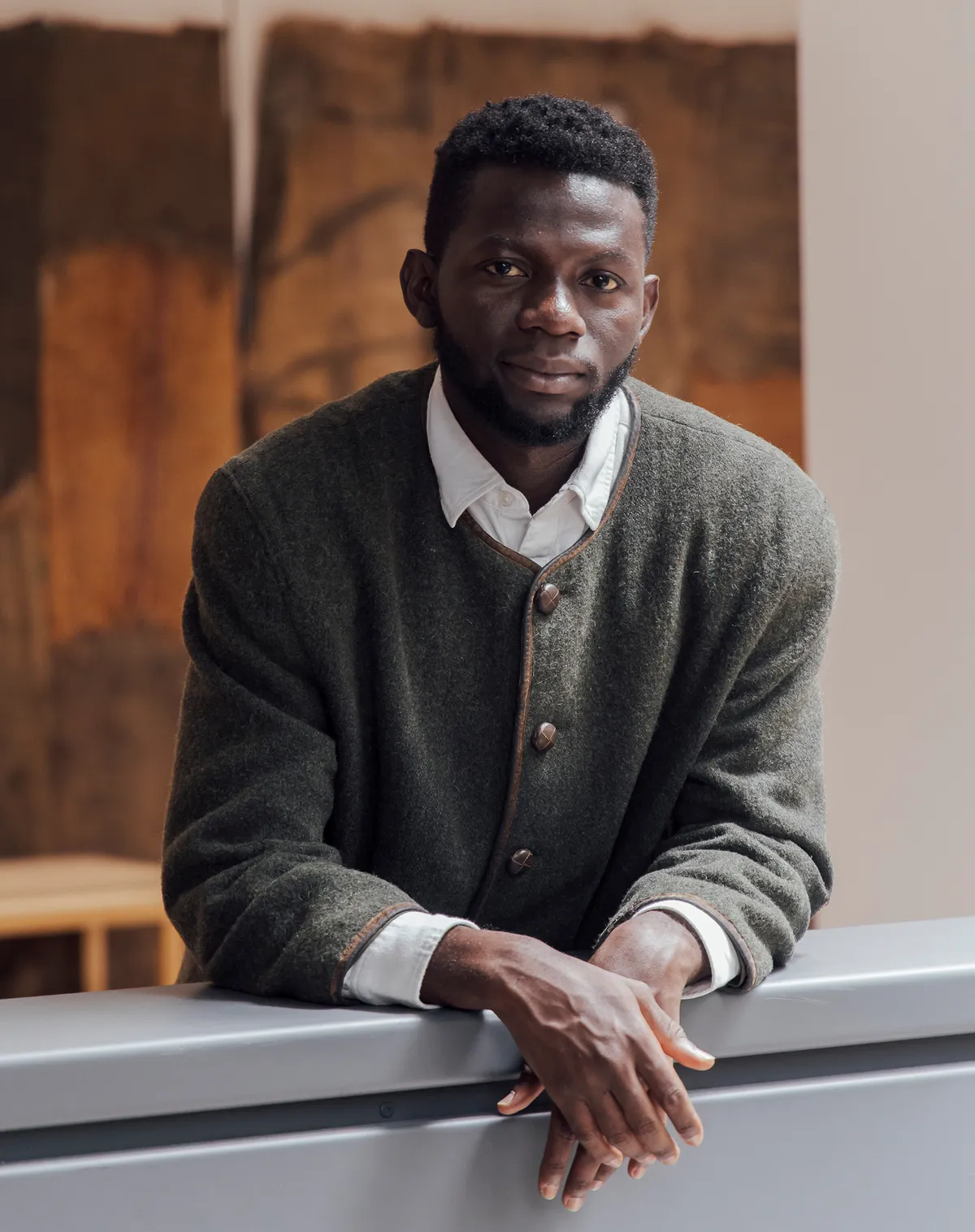
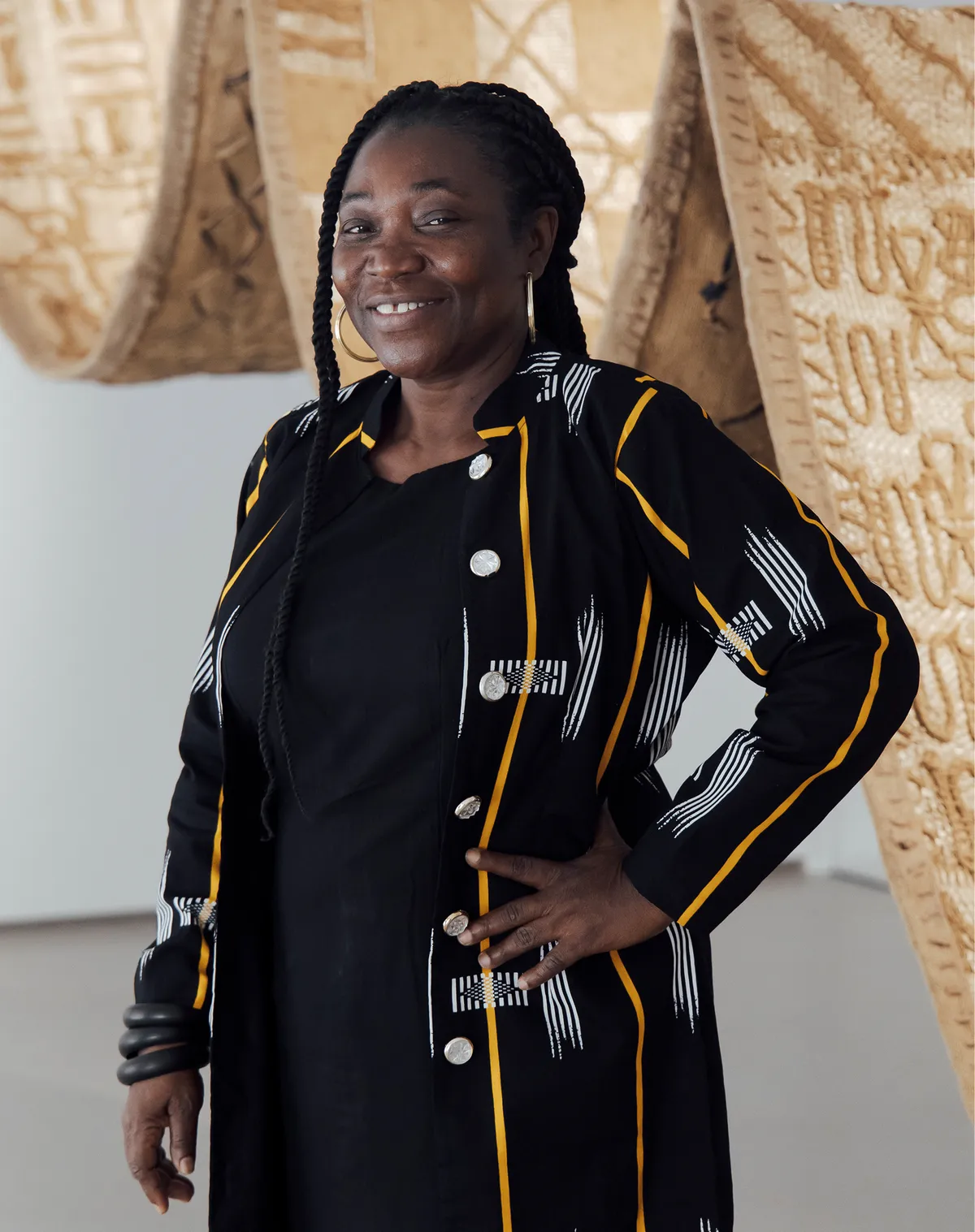
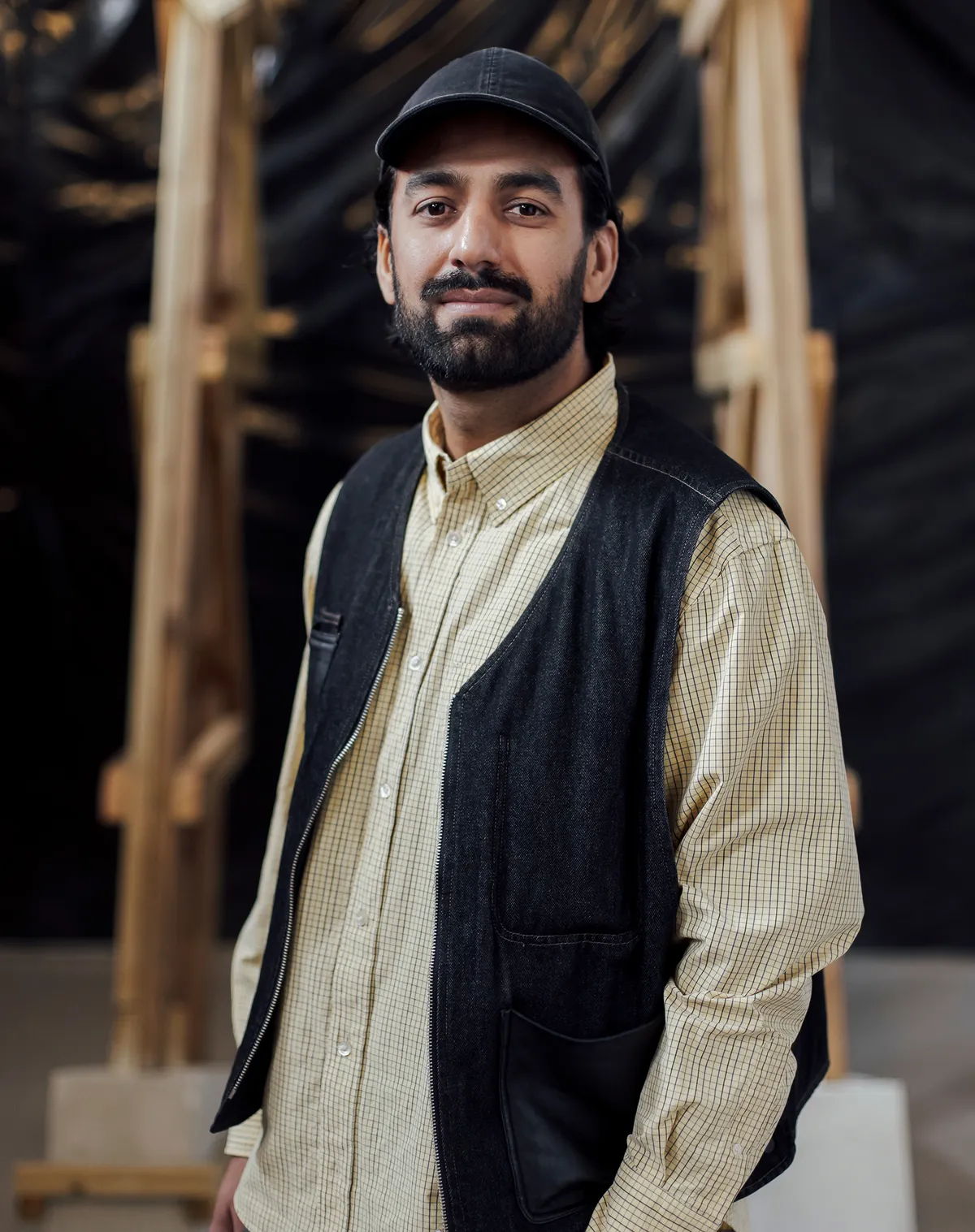
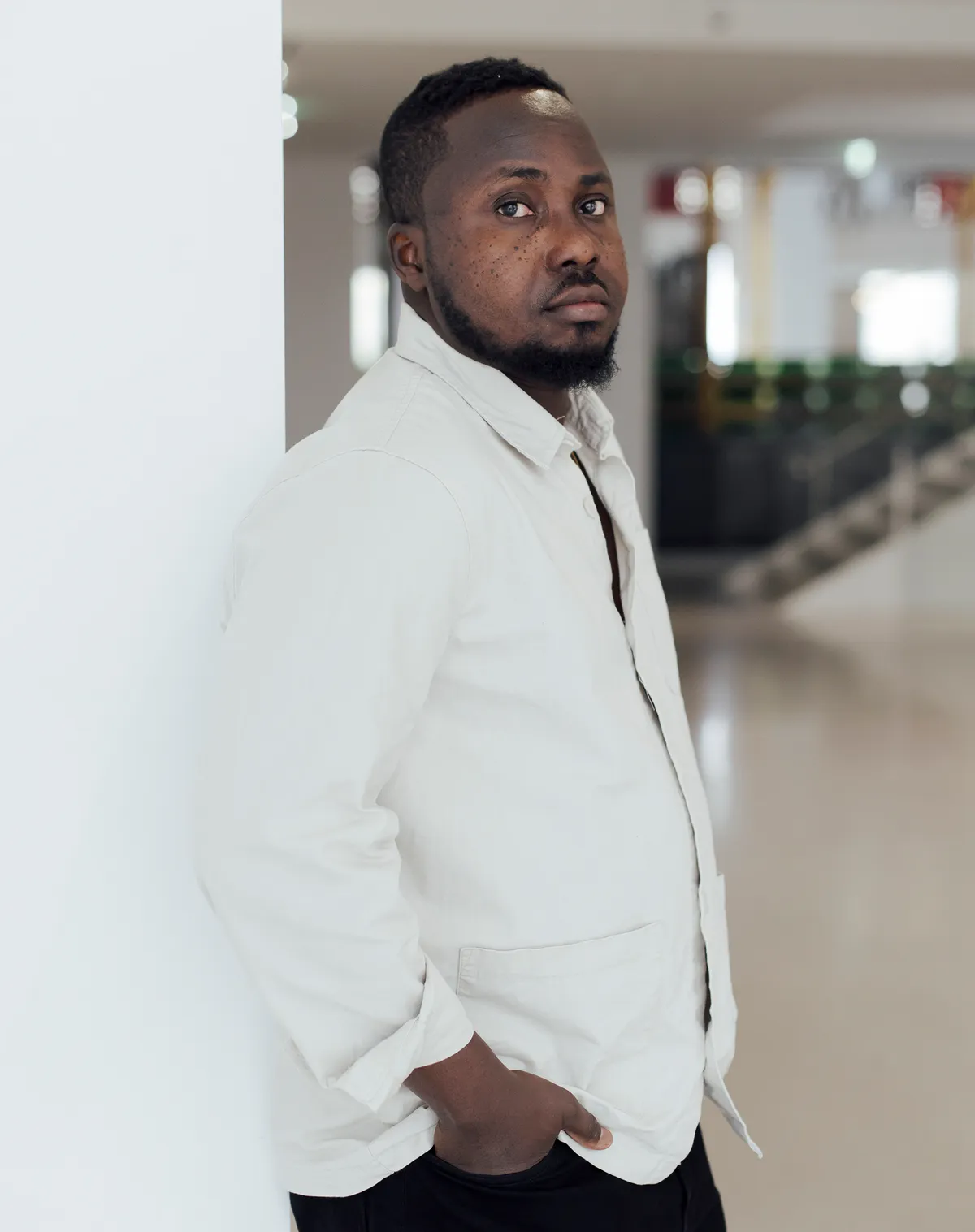
The artists
TheCATPC
The CATPC (Cercle d'Art des Travailleurs de Plantation Congolaise - Congolese Plantation Workers Art League) is a collective founded in 2014 in Lusanga, in the Democratic Republic of Congo, by plantation workers and activist René Ngongo. Through sculpture, embroidery, film, and installation, its members use art as a tool for social, economic, and political transformation. Their works explore the legacies of colonialism, resource exploitation, and questions of reparation, while supporting a project to reclaim agricultural land. Having represented the Netherlands at the 2024 Venice Biennale, the collective is also developing numerous international collaborations, notably with Ibrahim Mahama.
Founded in 2014 in Lusanga, in the Democratic Republic of Congo, the CATPC (Cercle d'Art des Travailleurs de Plantation Congolaise) brings together agricultural workers and artists around a unique project. Born in a region marked by the colonial exploitation of palm oil and cocoa plantations, the collective uses art as a tool for emancipation, reparation and reclaiming its history.
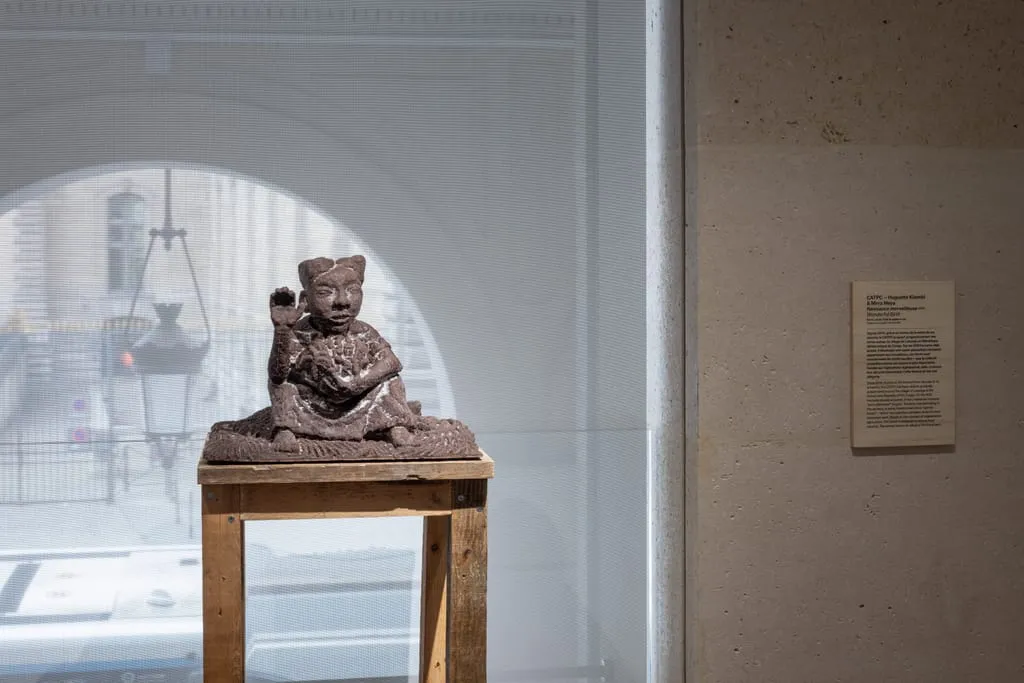
Their approach is directly inspired by their everyday lives and by the memory of the lands of which their communities have been dispossessed. Using local materials such as cocoa, palm oil, sugar, clay, or burlap, the members of the collective create works that explore the legacies of colonialism, economic inequalities, and mechanisms of resource extraction.
The income generated by the sale of their works finances the gradual repurchase of agricultural land in Lusanga. More than 400 hectares have already been purchased and transformed into a “sacred forest” based on regenerative agriculture. This initiative, which the collective considers to be its most important work, aims to restore the food, economic and cultural autonomy of the inhabitants.
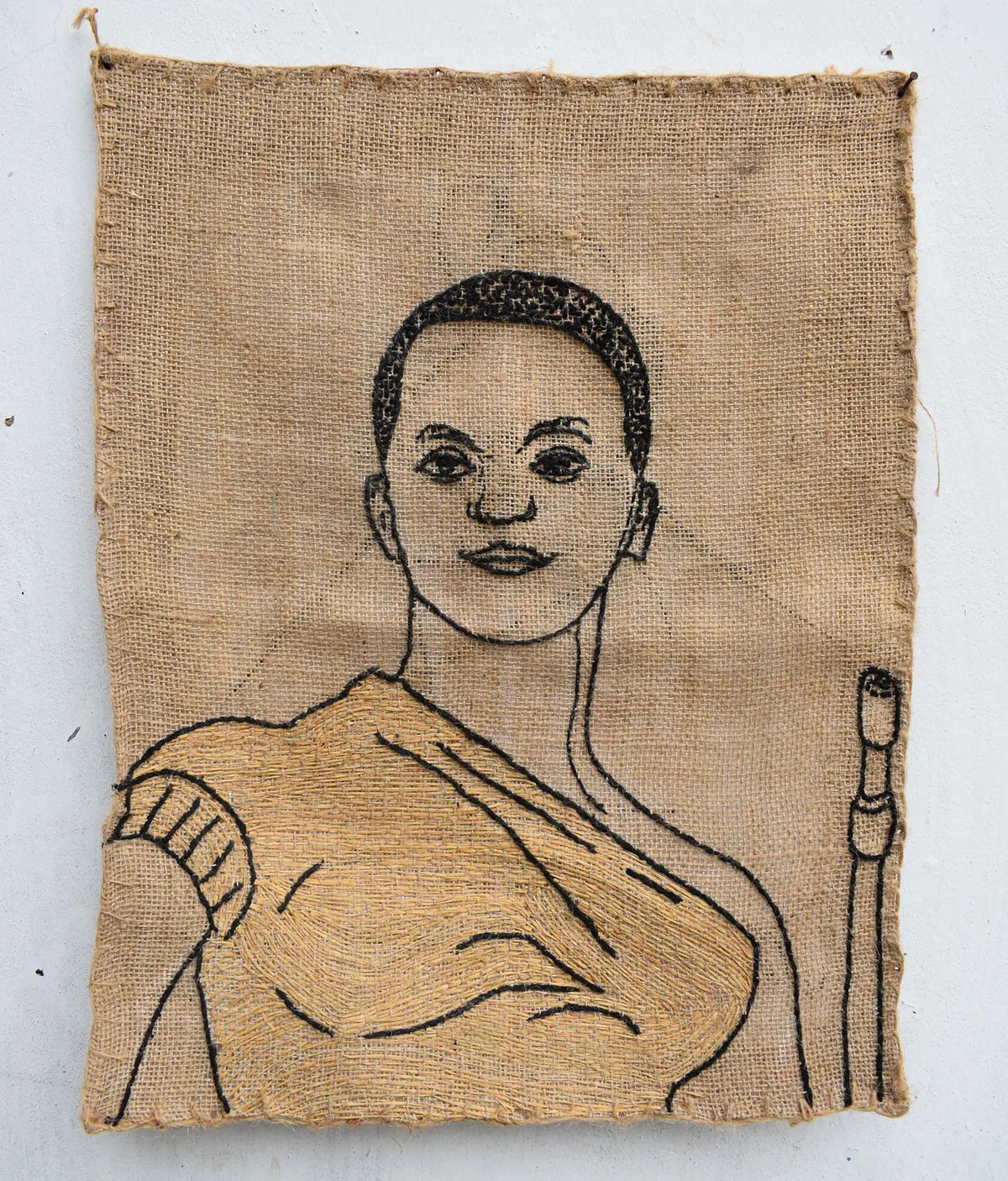
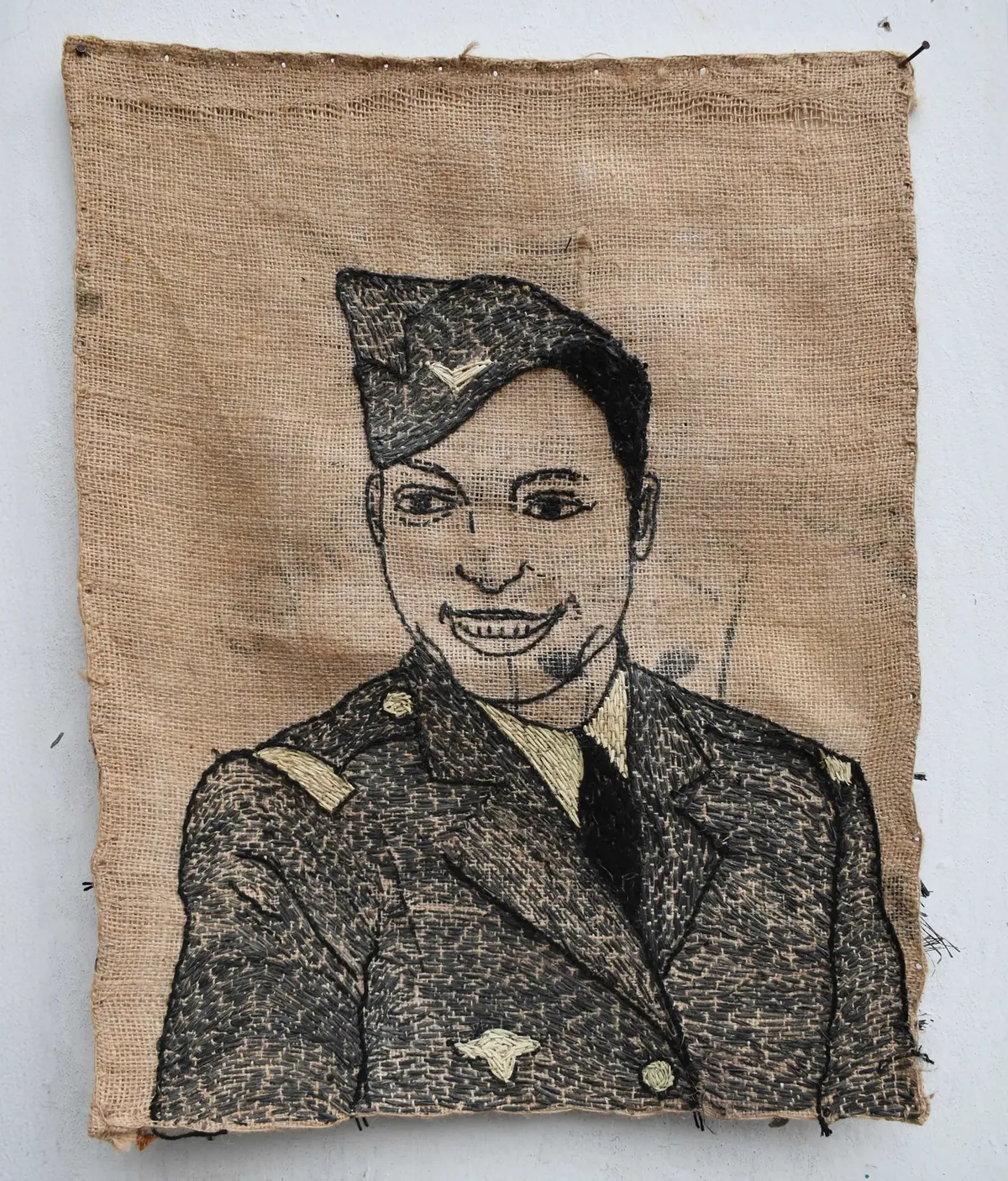
Sculptures made of cocoa and palm oil, portraits embroidered on burlap bags, and videos make up a deeply committed body of work. The CATPC has also created the Lusanga White Cube, an art center built in the heart of former plantations, which has become a symbol of resistance and reappropriation. Through its works and actions, the collective imagines new narratives for the future, where art becomes a driving force for social justice, transmission, and collective transformation.
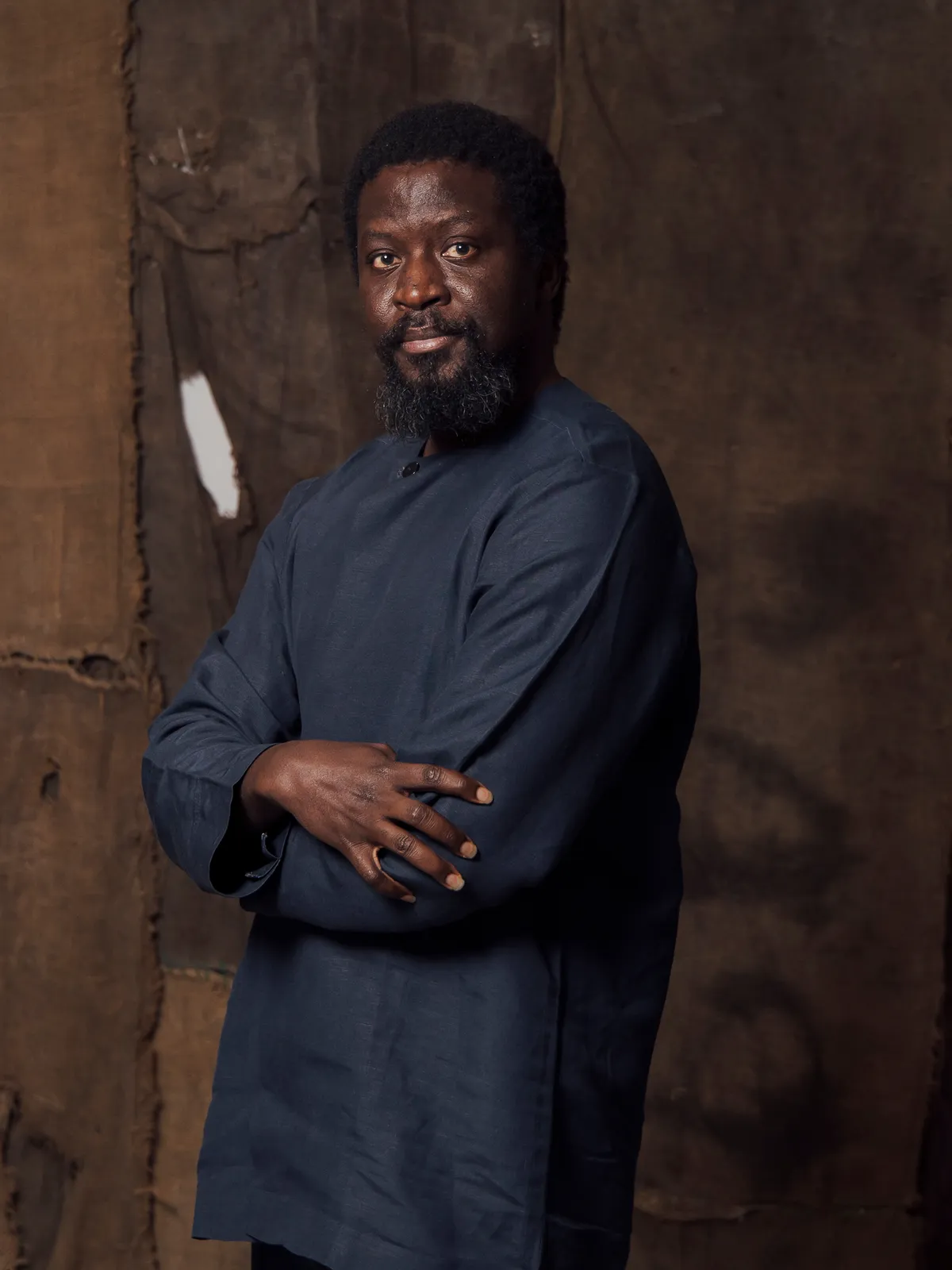
© Thibaut Voisin 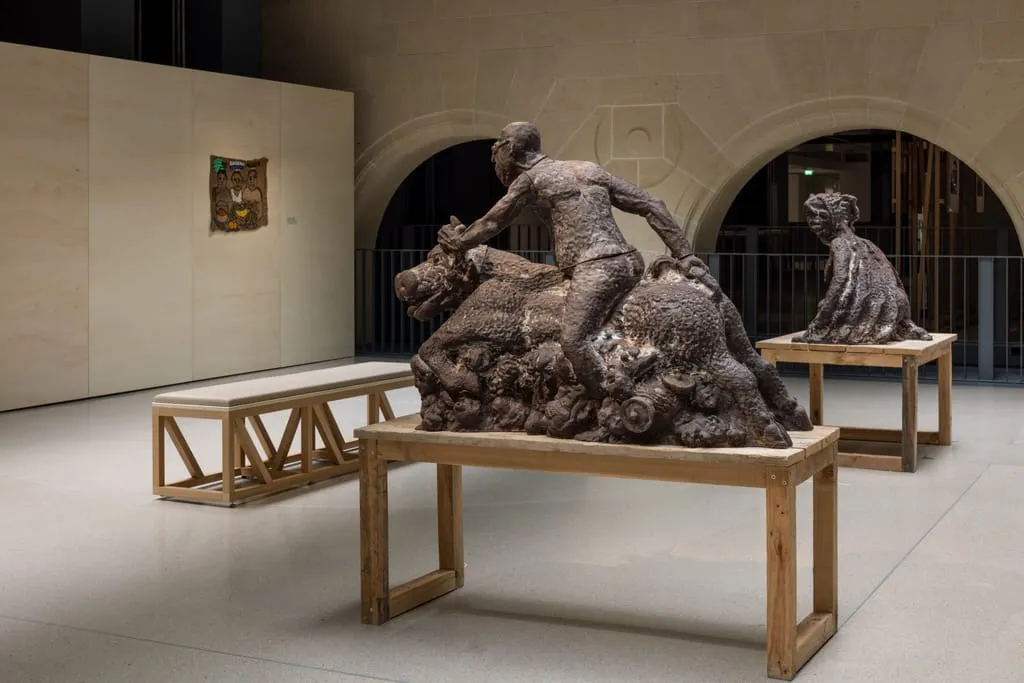
© Thibaut Voisin 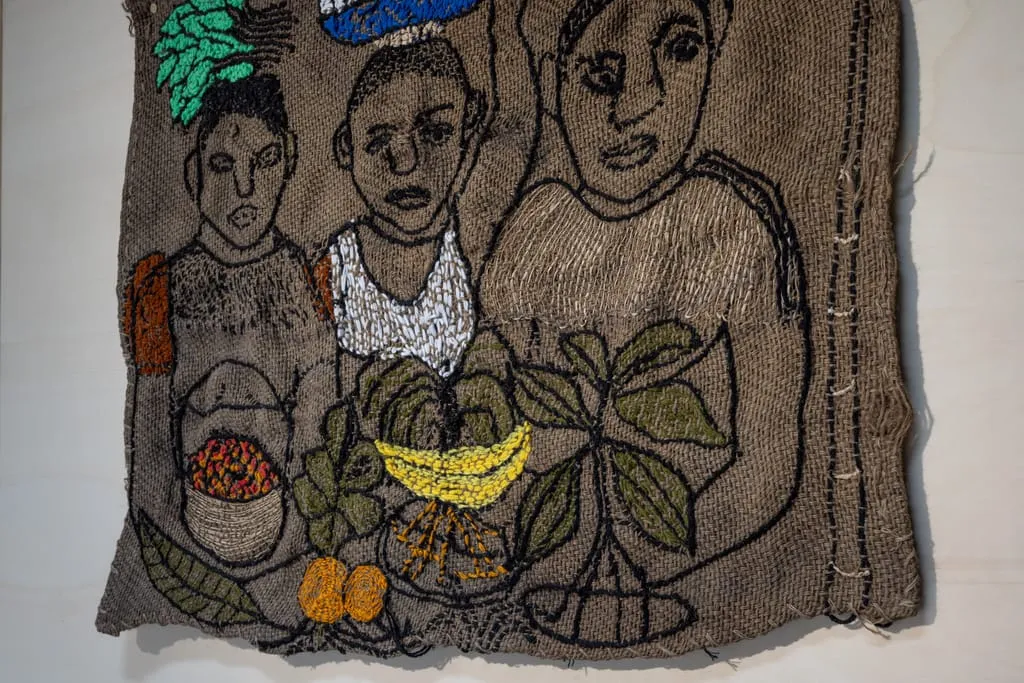
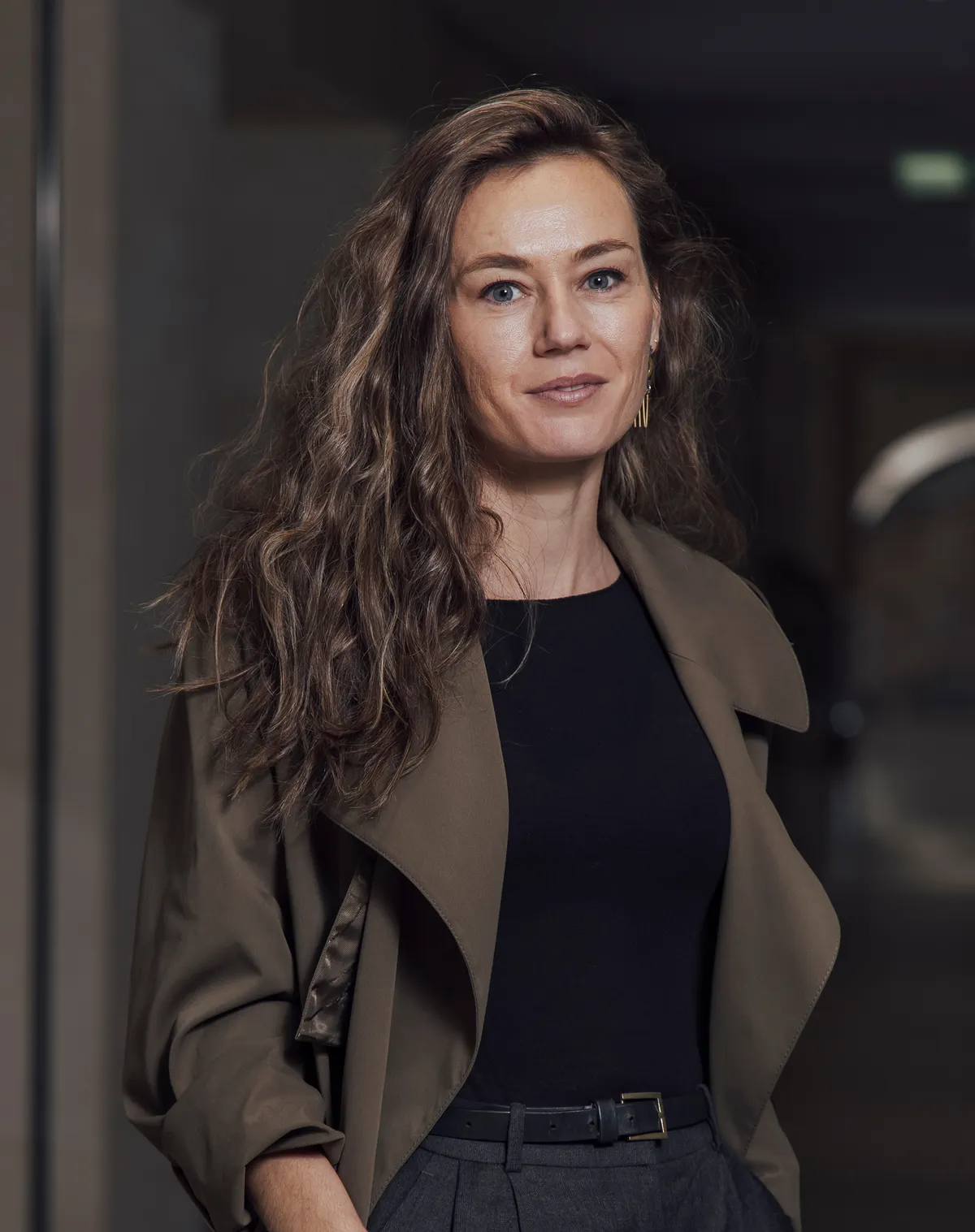
© Thibaut Voisin 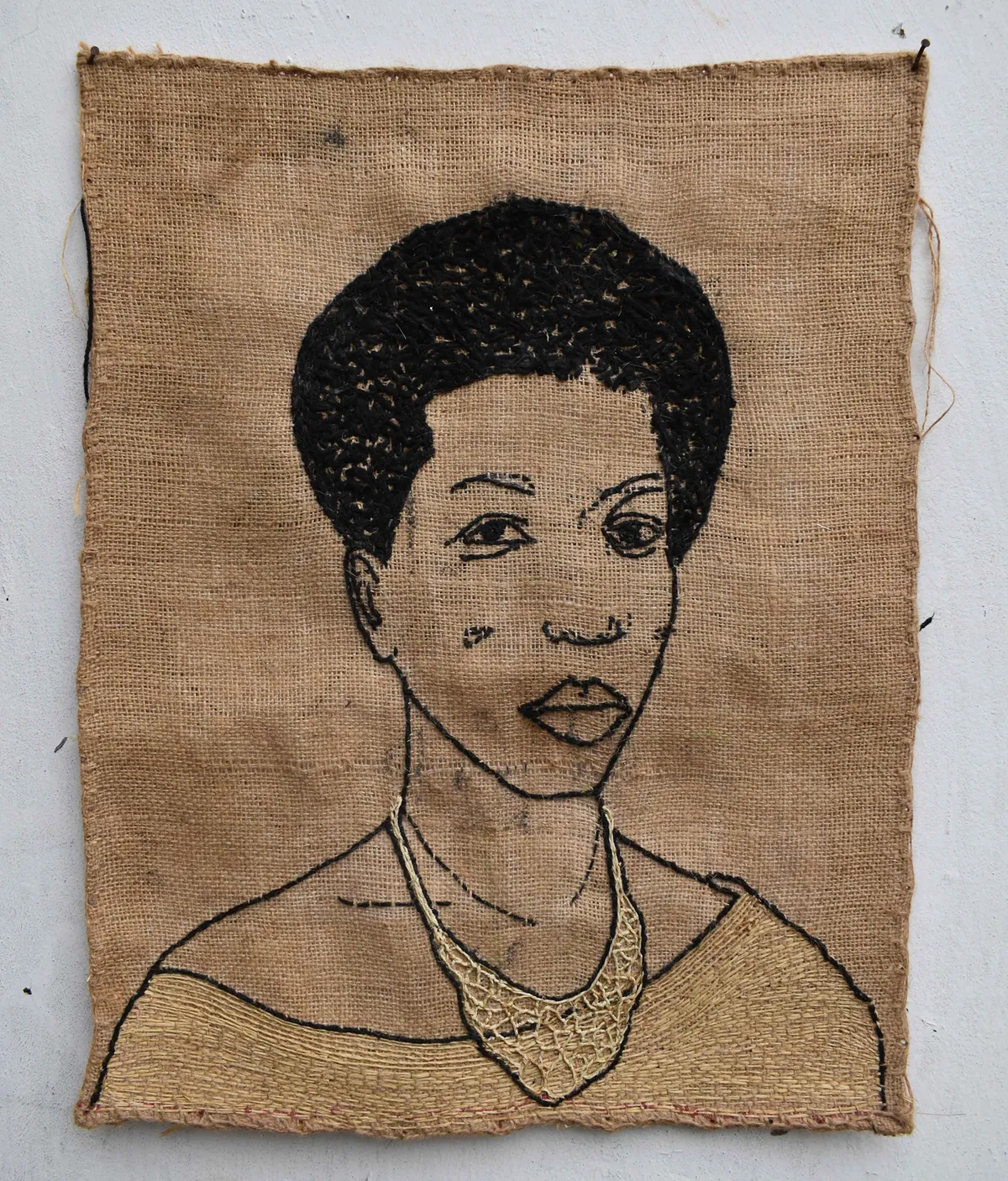
The Arts Centers
Their participation in the Great Harvest
And the Makala sacks being eyewitnesses, we took it. We use this material that speaks to us, that speaks to our community, that we all know. We change them as with, following the example of the materials, the jute and cocoa sacks that carry the cocoa and that brother Ibrahim gave us, offered us. We transform these sacks to pay tribute to the fighters of the resistance, to the fighters for freedom throughout the world. The same thing, we take the Makala sacks which are an eyewitness of the destruction of our forests. We made a work of art on these sacks and on this sack, we embroidered the sacred forest. Same sack that is witness to the destruction of the forests. This time, we turn them, uh, we make it an ally. With this same sack, we put the sacred forest that is growing. We tell the story of our community. So, through the material, we also want to tell the story of our community, how we see these materials in our daily life.
Extractivisme & mondes industriels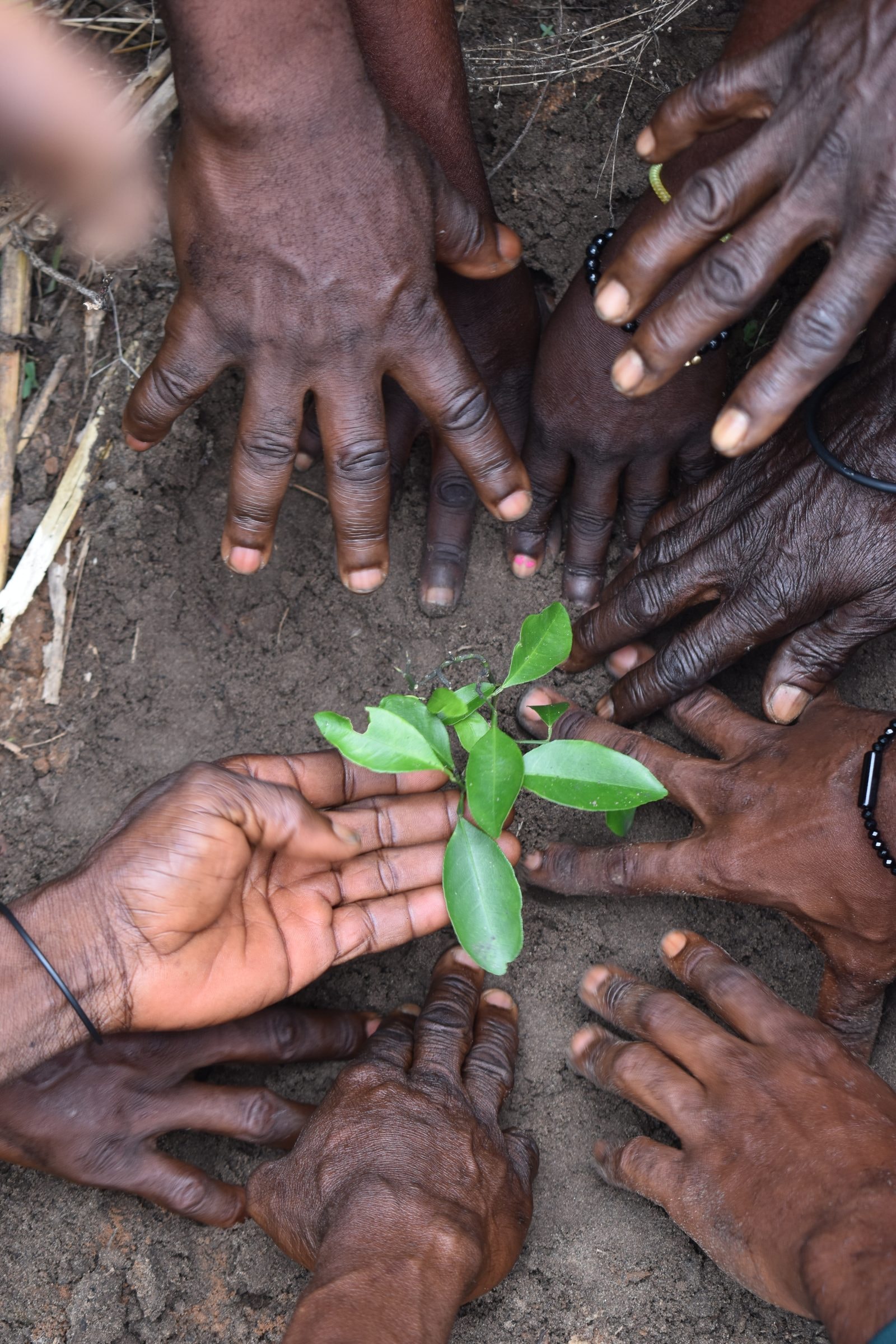
Here is the work The Sacred Inhabited Forest. This work, which is even featured in that beautiful exhibition The Harvest Season with brother Ibrahim Mahama. Uh The Sacred Inhabited Forest tells the story of the, our forest that we are in the process of planting and that we, on the lands where we live in Lusanga. This very forest that was eradicated, wiped out to be replaced by monoculture which destroyed our lands, which made them arid. Today, we are replanting that forest. And the material we used in the background, the makala bags, are the bags with which one transports. Makala is charcoal. The charcoal is made from felled trees. And for us, those bags with which we transport the felled trees are even the very coffins of the trees' corpses. It is an eyewitness to the destruction of our forests and it is a witness to the very commercialization of these tree corpses that we sadly mourn in our communities, in our forest.
Extractivisme & mondes industriels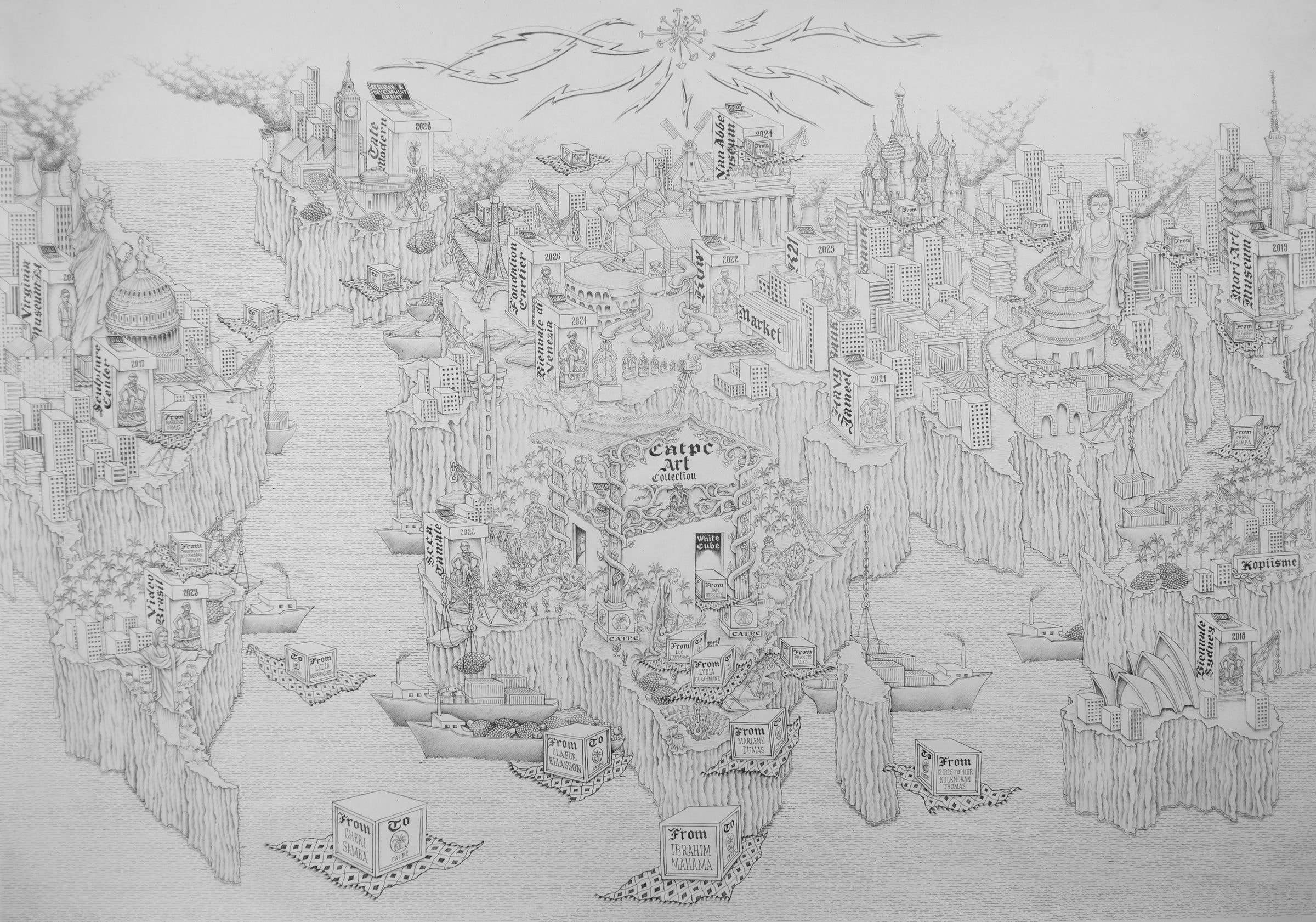
This is the CATPC art collection, the first art collection owned by plantation workers in the world. Why do we have an art collection? Why do we want to have an art collection? It is because our art, our work, sorry, in the plantations, our sweat and our blood and that of our ancestors has long been used to finance museums and art around the world. Now that we, the plantation workers too, are interested in art, we have become artists. We also found that it is a return to justice, a return to normal, that we who financed everything at the outset involuntarily can also have our own collection. And for this, several artists, ten artists, agreed to contribute to our art collection. We name here Yan Dibeth, Marlène Dumas, Chéri Samba, Ai Weiwei, Lic Taï-Man, Olafur Eliasson, Francis Alÿs, Sandra Mujinga, Lydia Ourahmane, Christopher Kulendran Thomas. And next year, there will be another ten artists added. And the collection will be growing every day to help us, to accompany our efforts to revive the sacred forest that had been eradicated, that had been damaged, that had been erased to be replaced by oil palm monoculture which destroyed our lands and rendered them arid.
Utopies collectives