The artists
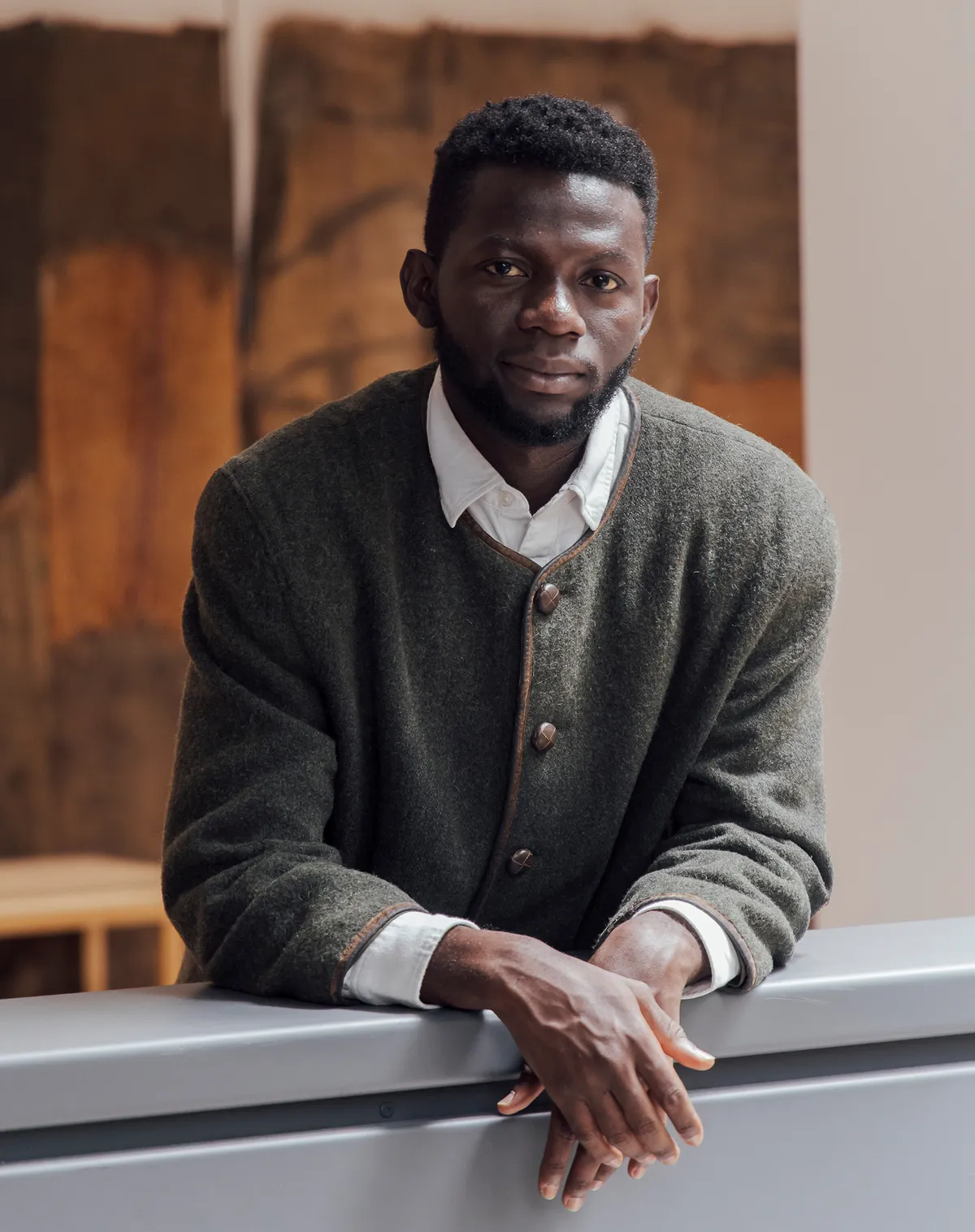
JamesBarnor
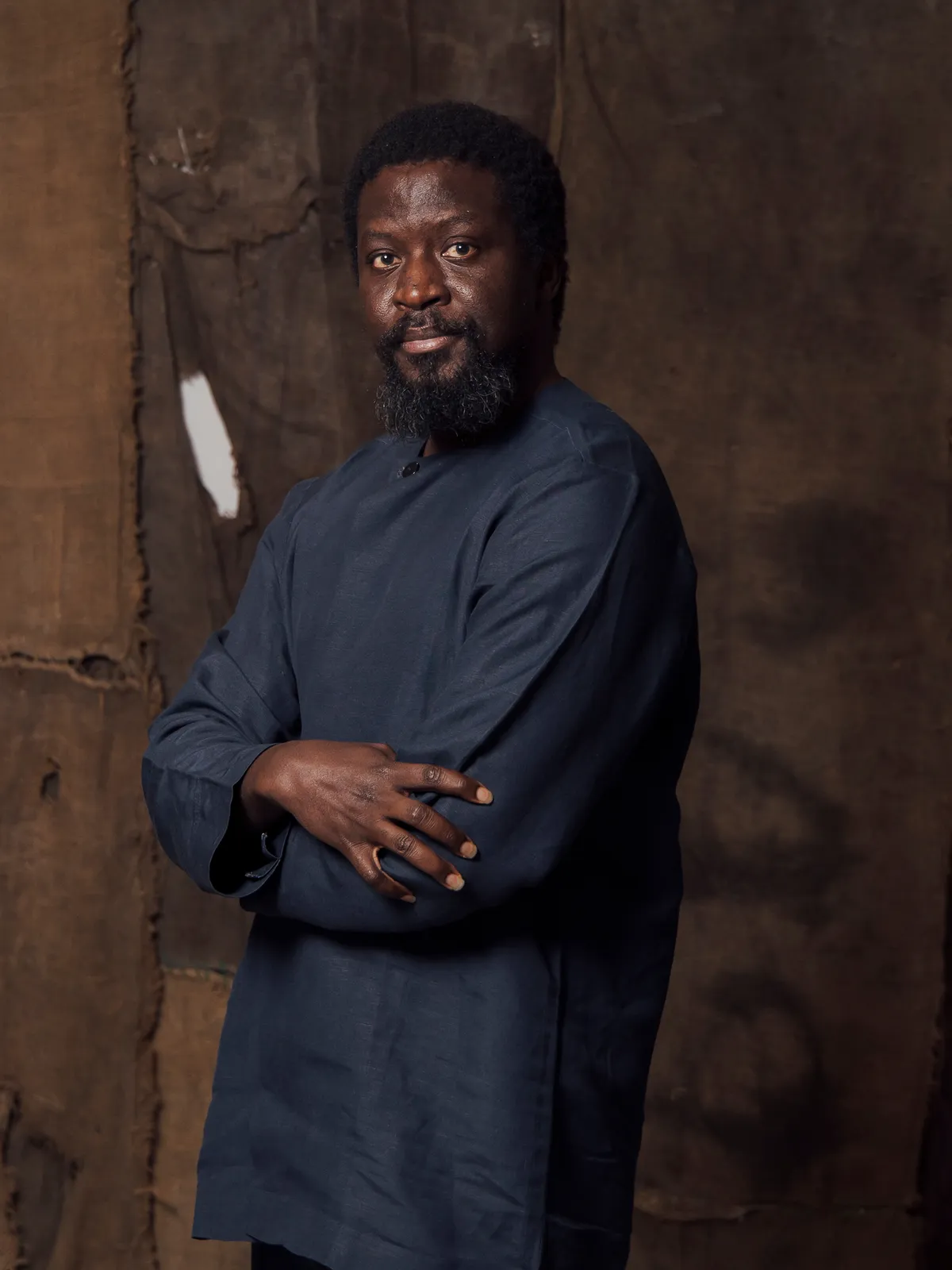
James Barnor is a Ghanaian photographer born in 1929. In 1953, he founded the Ever Young studio in Accra, where he documented, through multi-generational portraits, the vibrancy of Ghanaian society at the dawn of its independence. Also active as a press photographer, he documented the movement that led the country to independence in 1957. After moving to London in 1959, he trained in color photography and created iconic images of the African diaspora in 1960s London. Returning to Ghana in the early 1970s, he established the country's first color photography laboratory. Barnor's career spanned seven decades and crossed continents and genres—from photojournalism to studio portraiture, from documentary photography to commissioned work—with a spontaneous eye and an ever-renewed energy. Today, his work is recognized as a landmark in the history of photography.
As a major figure in Ghanaian photography, James Barnor has documented the social and cultural transformations of Ghana and its diaspora for over seventy years. Founder of the Ever Young studio in Accra in 1953, he photographed a society in the midst of profound change as independence approached, before continuing his career in London. His work, marked by street and studio portraits as well as advertising commissions and documentary photography, reflects a society in transition and demonstrates a deep commitment to representing and transmitting Ghana's history and cultural heritage.
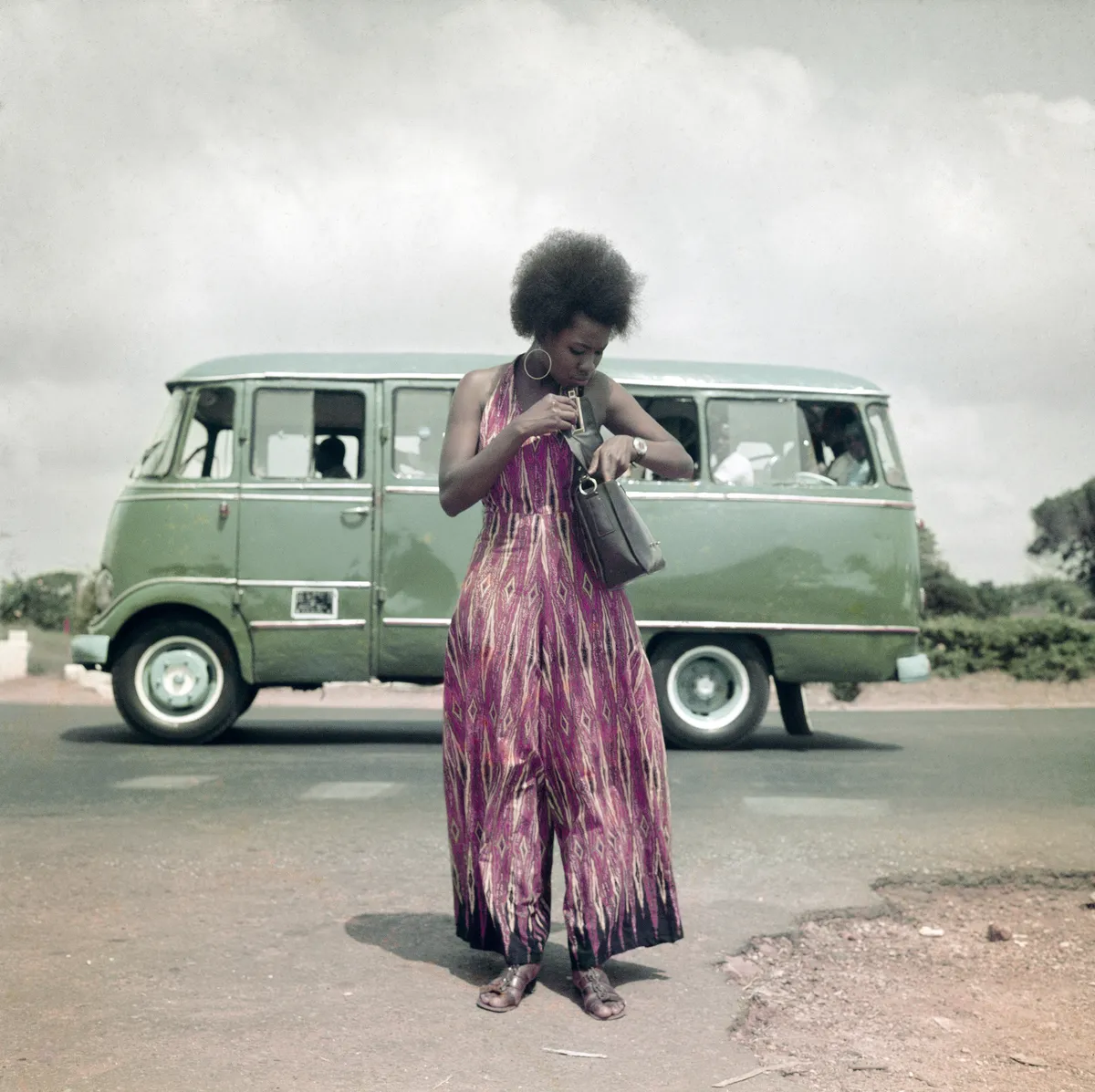
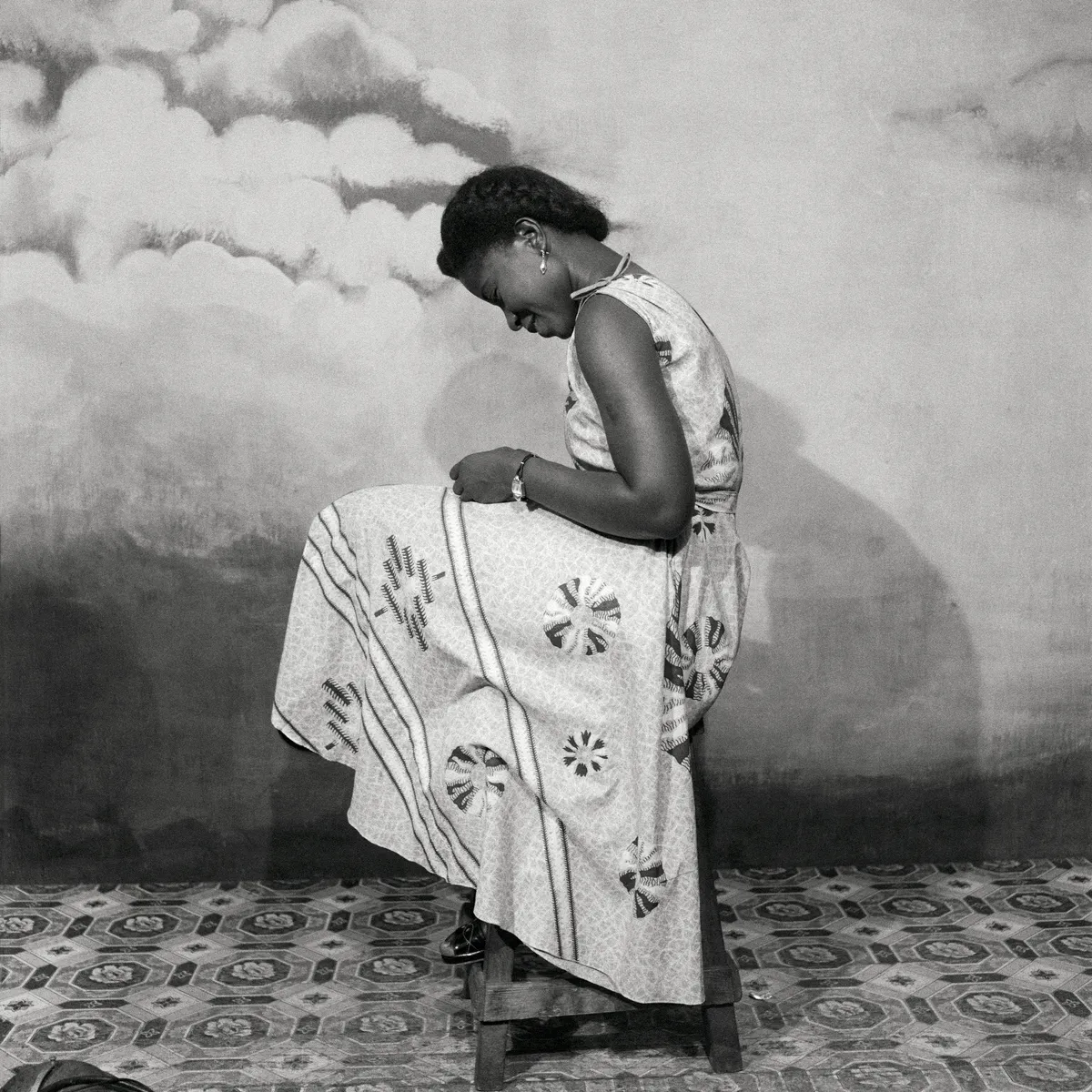
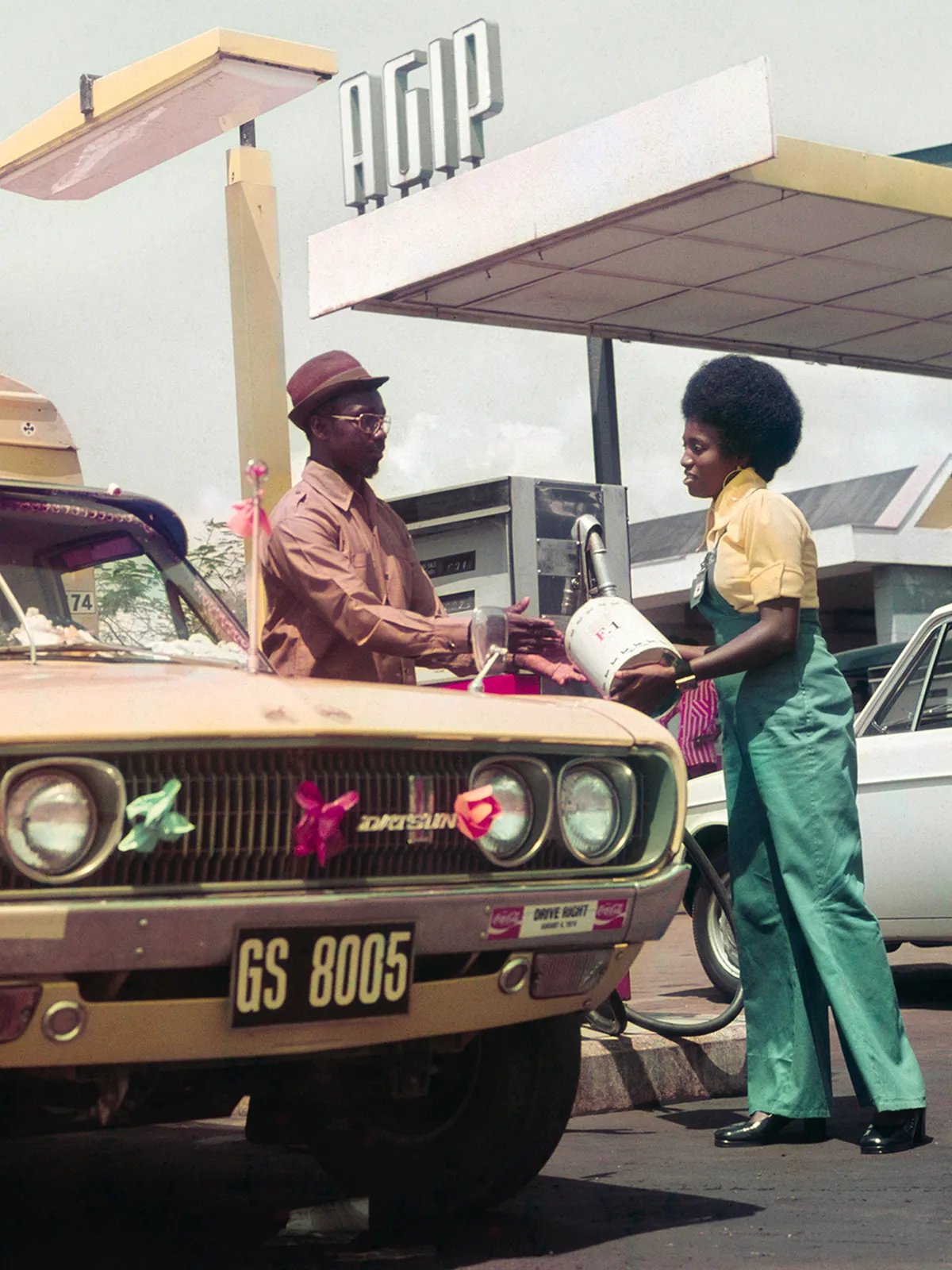
© James Barnor 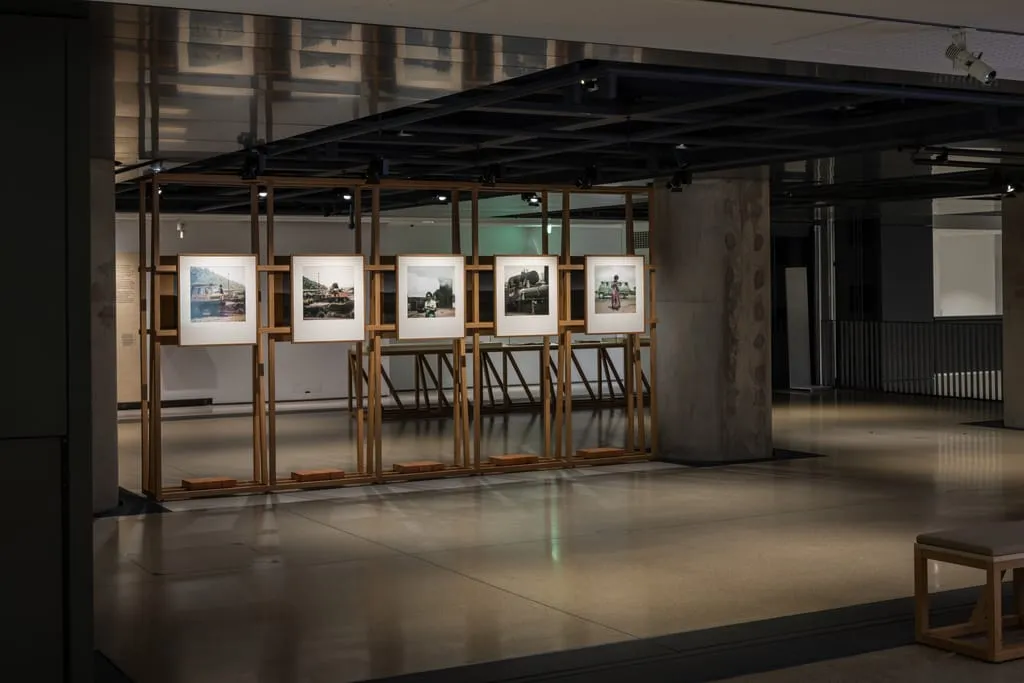
© Thibaut Voisin 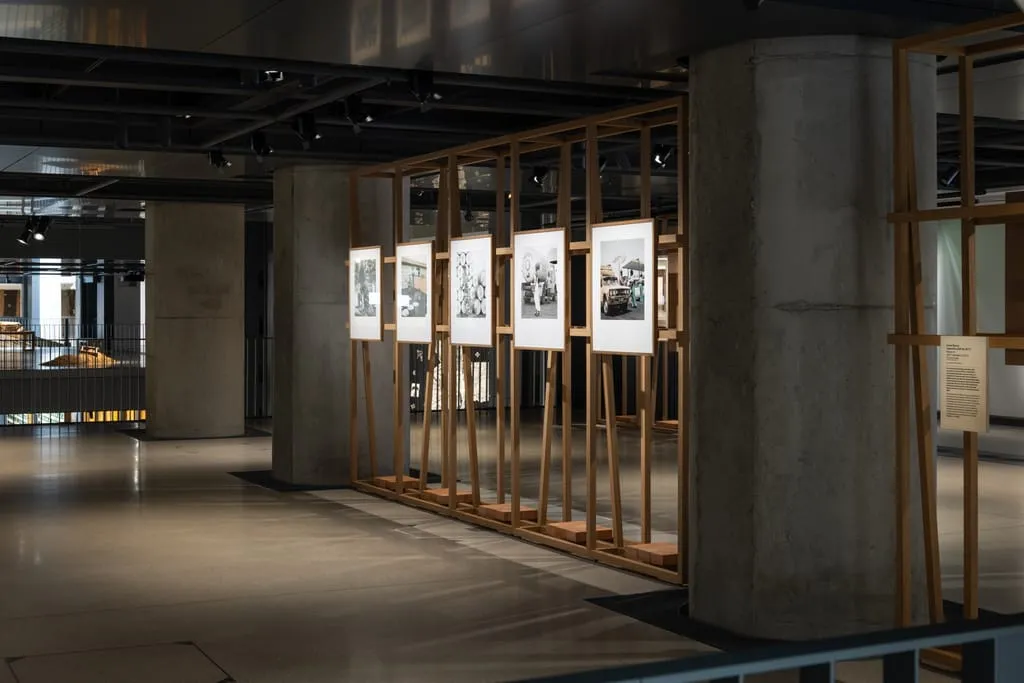
© Thibaut Voisin
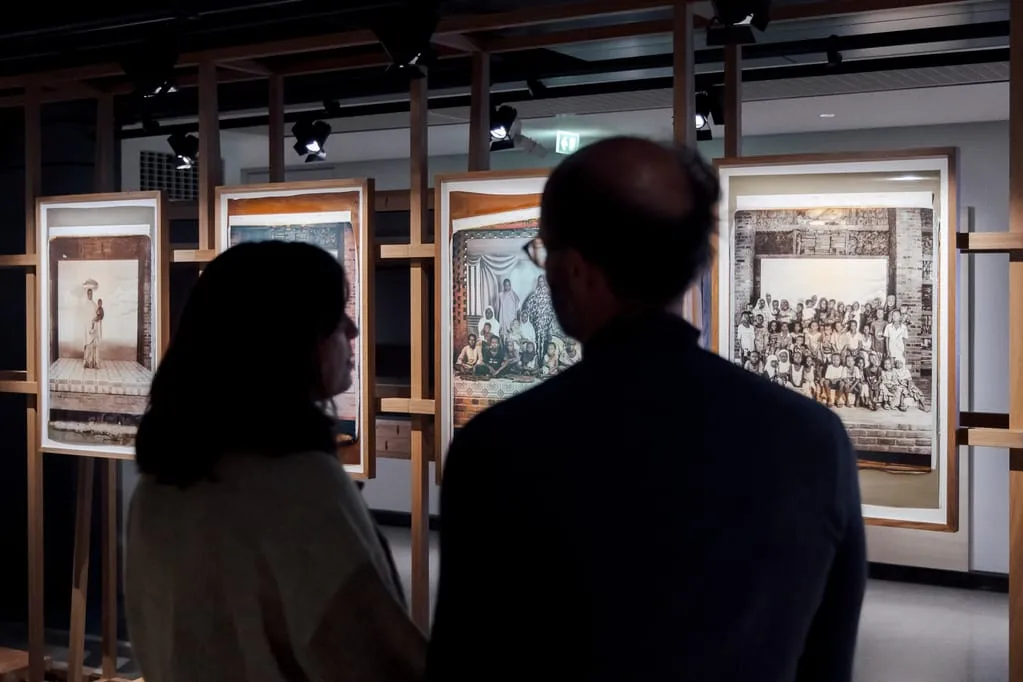
In 2024, Ibrahim Mahama pays tribute to him through a project carried out at his Red Clay art center in Tamale. On the occasion of the James Barnor 95 festival, he recreates the famous Ever Young studio and installs a Polaroid Instant Land Camera 20 × 24, an iconic camera in the history of photography. This initiative creates a unique encounter between two generations of artists and two visions of creation, centered around an extraordinary camera that is now very rarely accessible.
The project is driven by common values of sharing, memory, and transmission. Like Barnor's studio in the 1950s, Red Clay becomes a place open to the community, where residents, younger generations, and artists take part in a collective experience. The photo sessions organized in Tamale in this context bring families and residents together around a historic tool, transforming photography into a space for dialogue and learning.
The portraits taken with the 20 × 24 Polaroid camera are the culmination of this collaboration. Marked by the spontaneity of the participants and the technical particularities of the process, these images convey both a human encounter and a reflection on the passage of time. Through this project, James Barnor and Ibrahim Mahama show how technologies of the past can still nourish the imagination, strengthen bonds between generations, and open up new perspectives for the future.