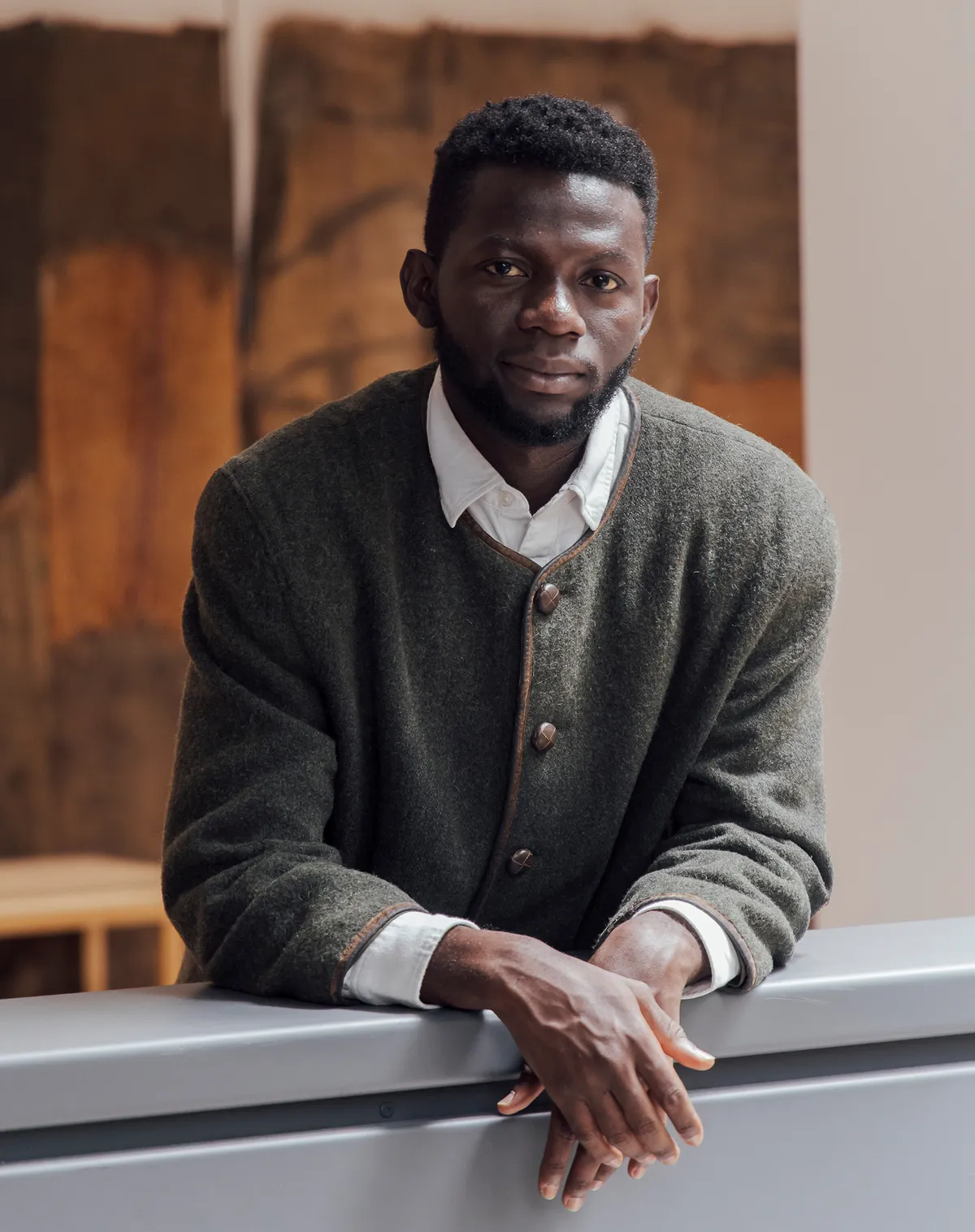
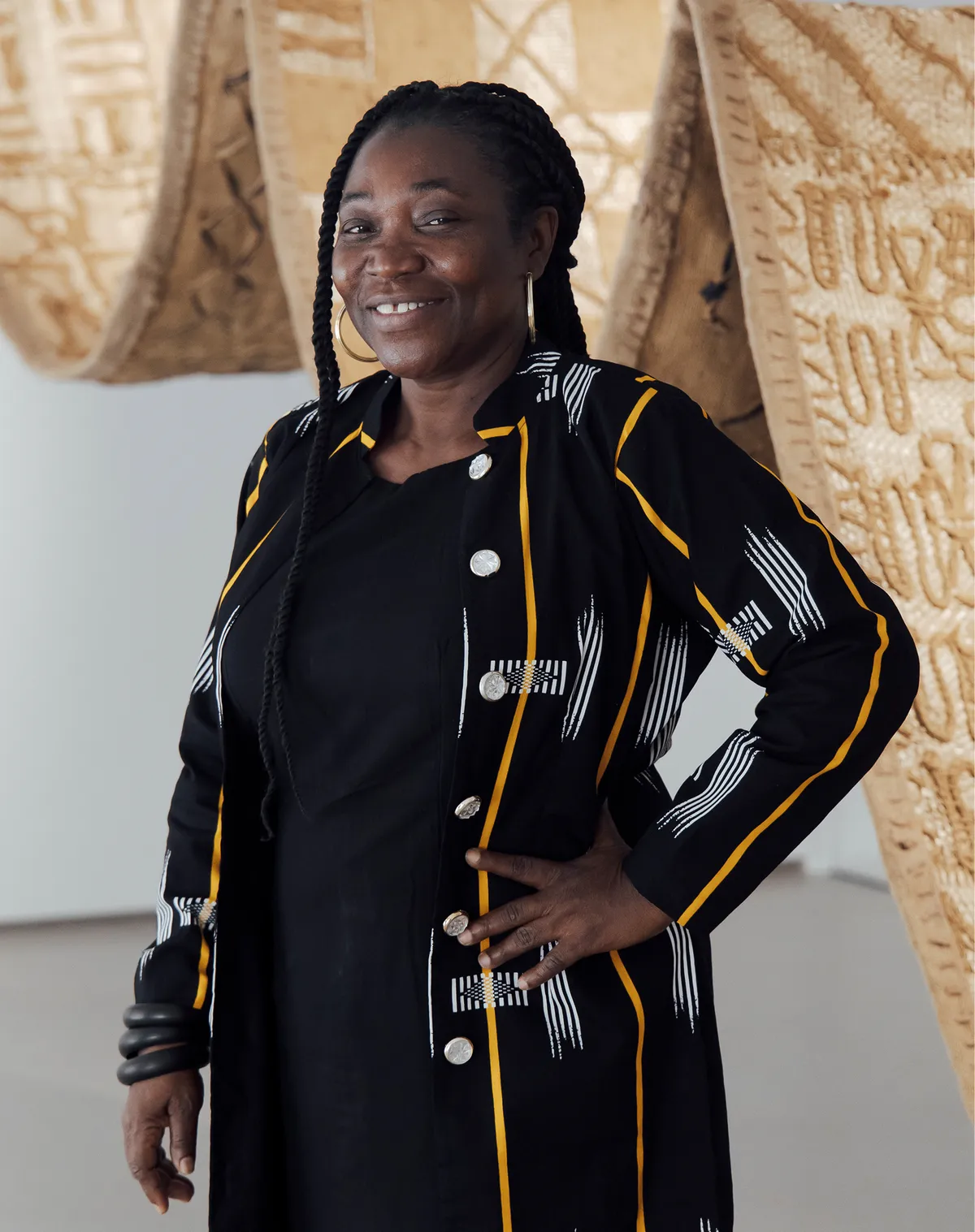
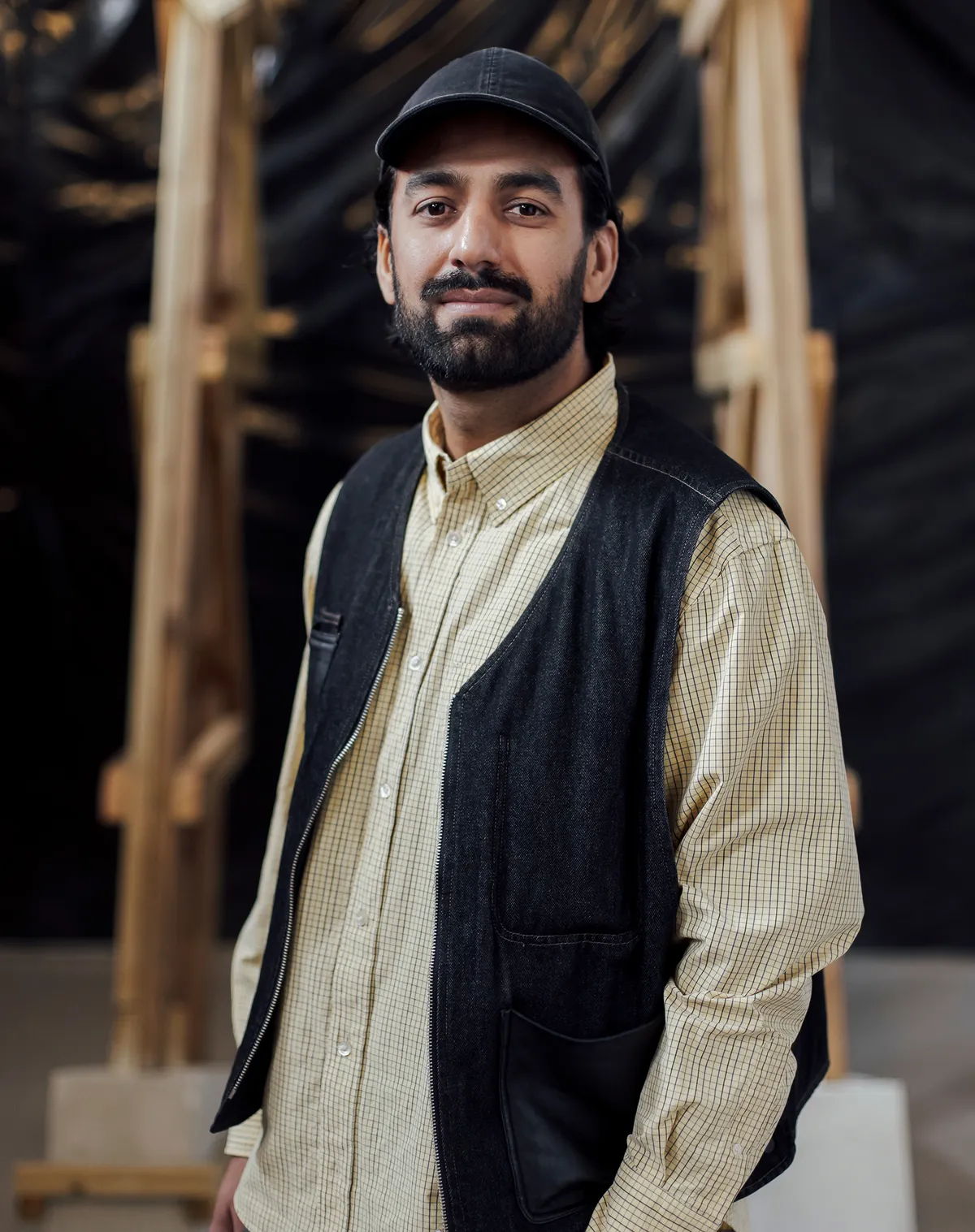
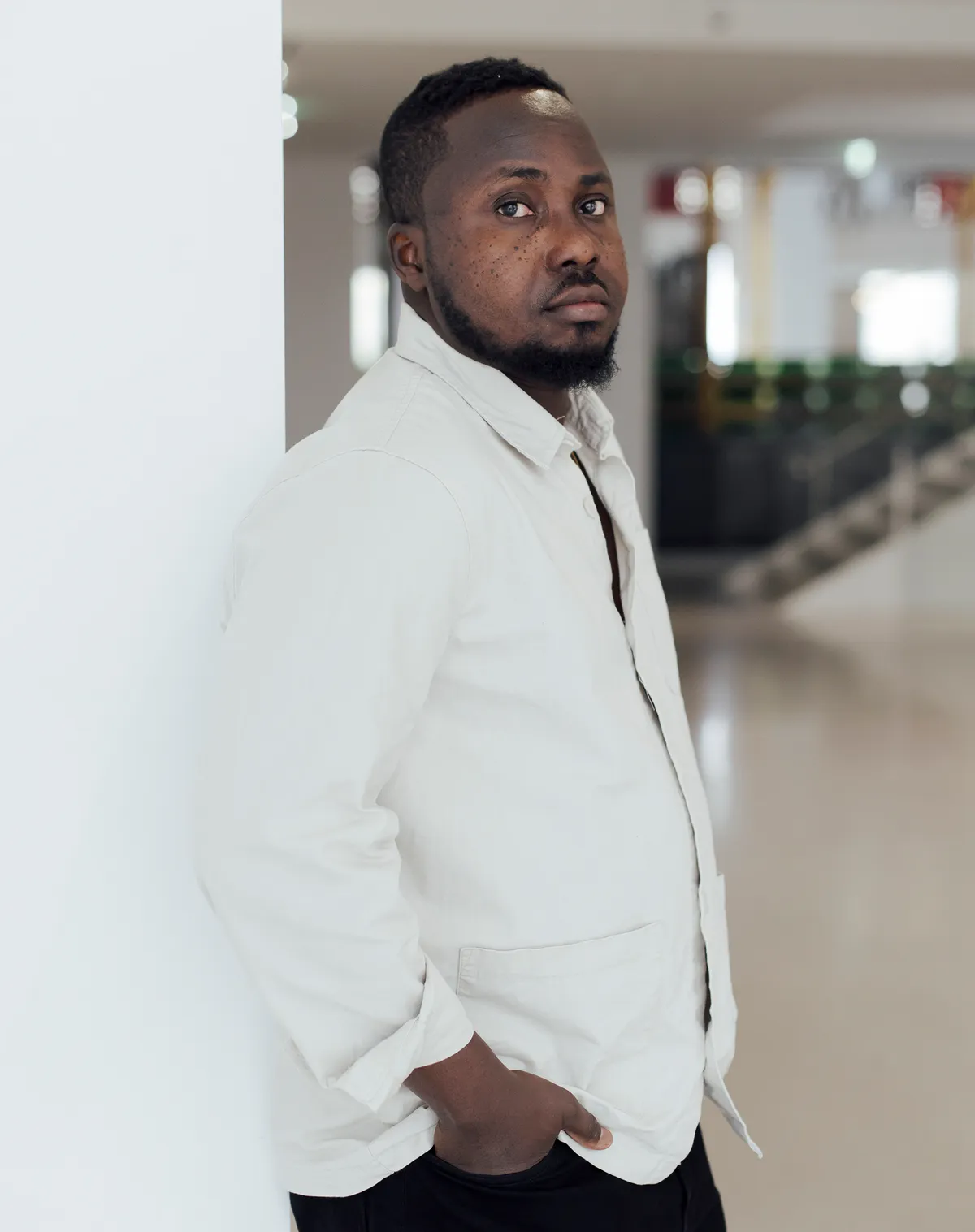
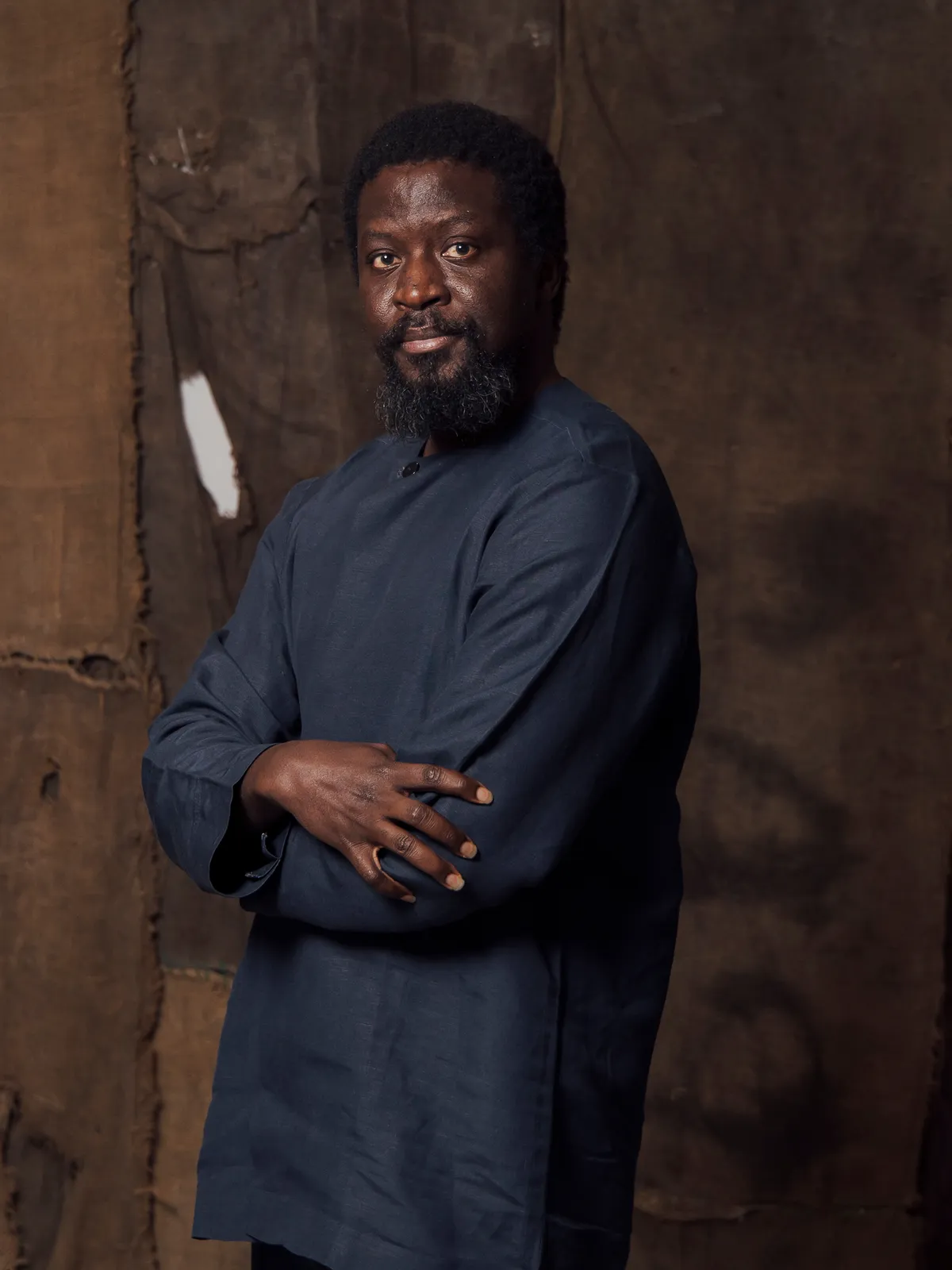
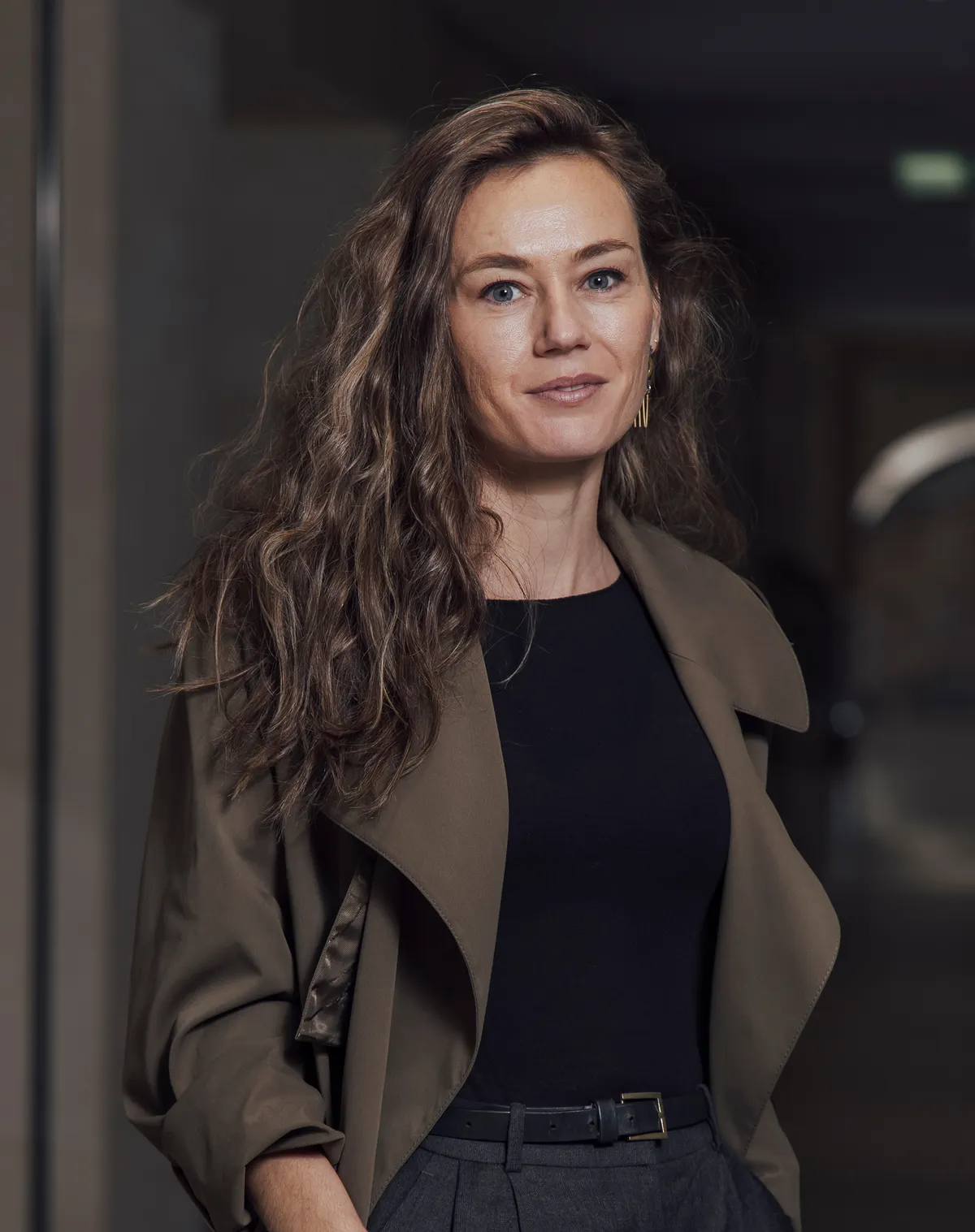
Zohra Opoku is a German-Ghanaian artist whose work explores questions of identity, memory, and belonging. Through textiles, photography, and screen printing, she draws on her personal history and cultural heritage to untangle her family ties and sense of belonging. Her works, often created from traditional fabrics such as kente, address themes of mixed heritage, self-perception, and transmission.
"As a German, there is often a tendency to want everything to be perfect. And this quest for perfection ended in Ghana. That is probably what allowed me to become much more flexible in the way I work and create my prints.
Zohra Opoku
Born in East Germany to a German mother and a Ghanaian father, Zohra Opoku builds her body of work from her personal history and dual cultural identity.
Her childhood memories, her discovery of her Ghanaian roots as an adult, her motherhood and her ties with her family nourish a reflection on identity, memory and transmission. Through textiles, photography, screen printing, and embroidery, she explores the multiple facets of the human experience and the ties that connect individuals to their history.
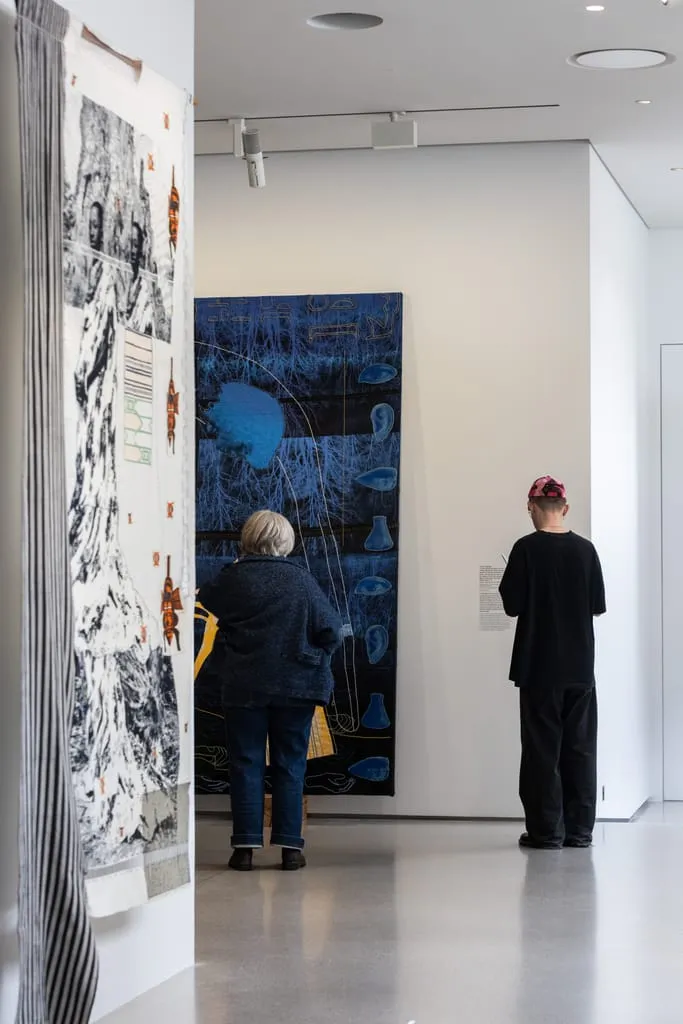
Textile occupies a central place in her artistic practice.
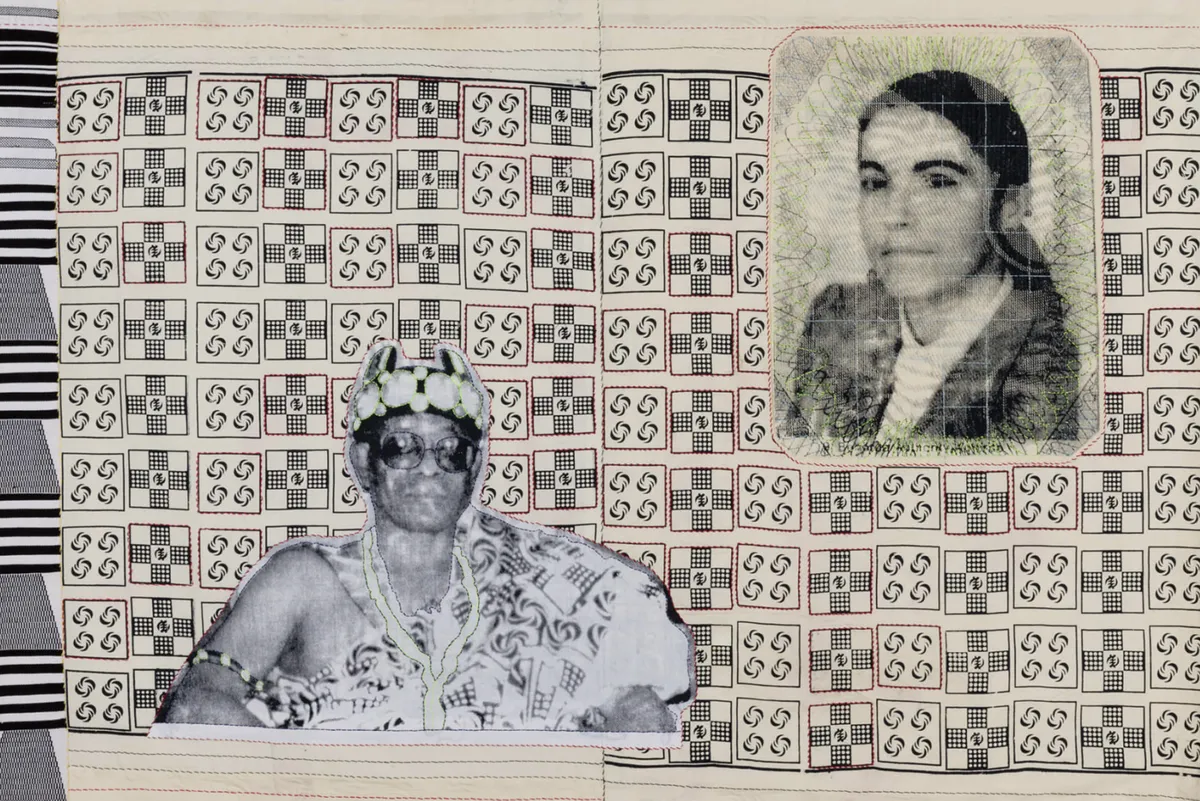
Often using old fabrics and traditional Ghanaian textiles that she screen-prints, she creates works where the intimate meets the collective. Clothing and fabrics become witnesses to family stories, memories, and absences, while questioning the construction of cultural identities. Her work combines the reproducibility of the photographic image with the individuality of the handcrafted work, giving rise to deeply sensitive works.
The artist is also interested in social and political issues related to the contemporary textile industry.
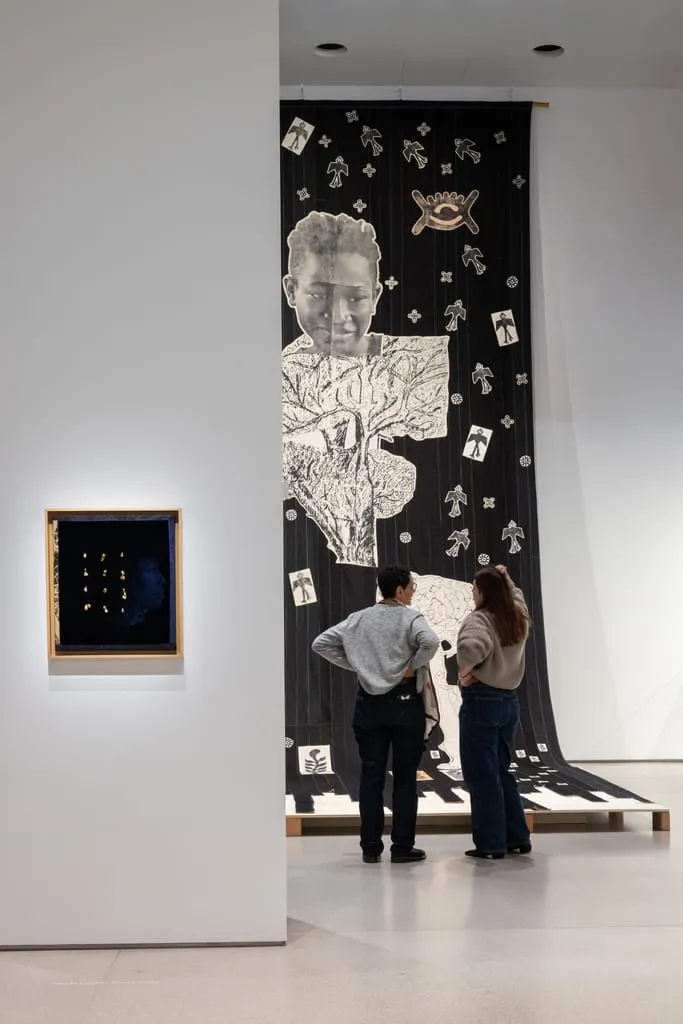
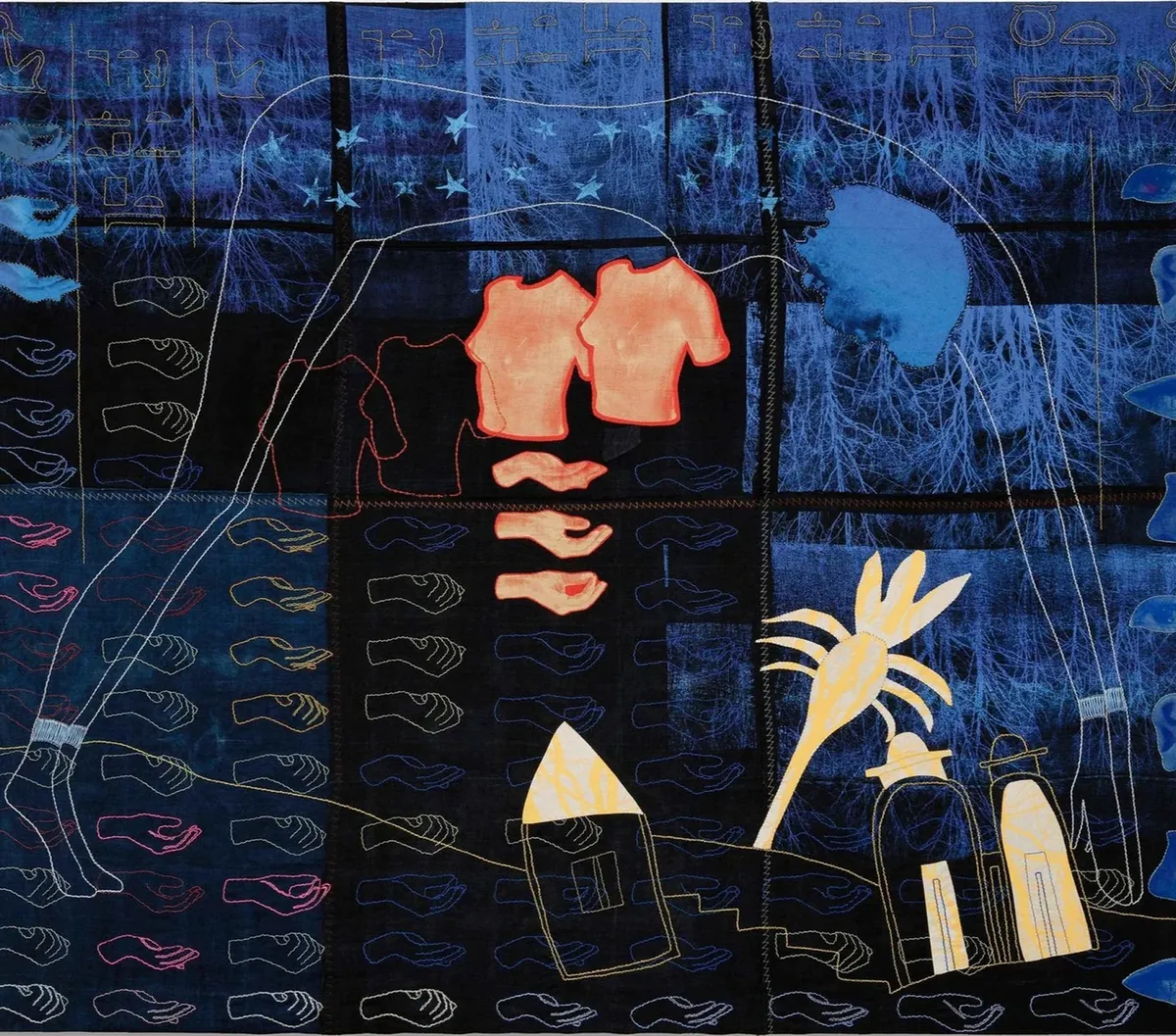
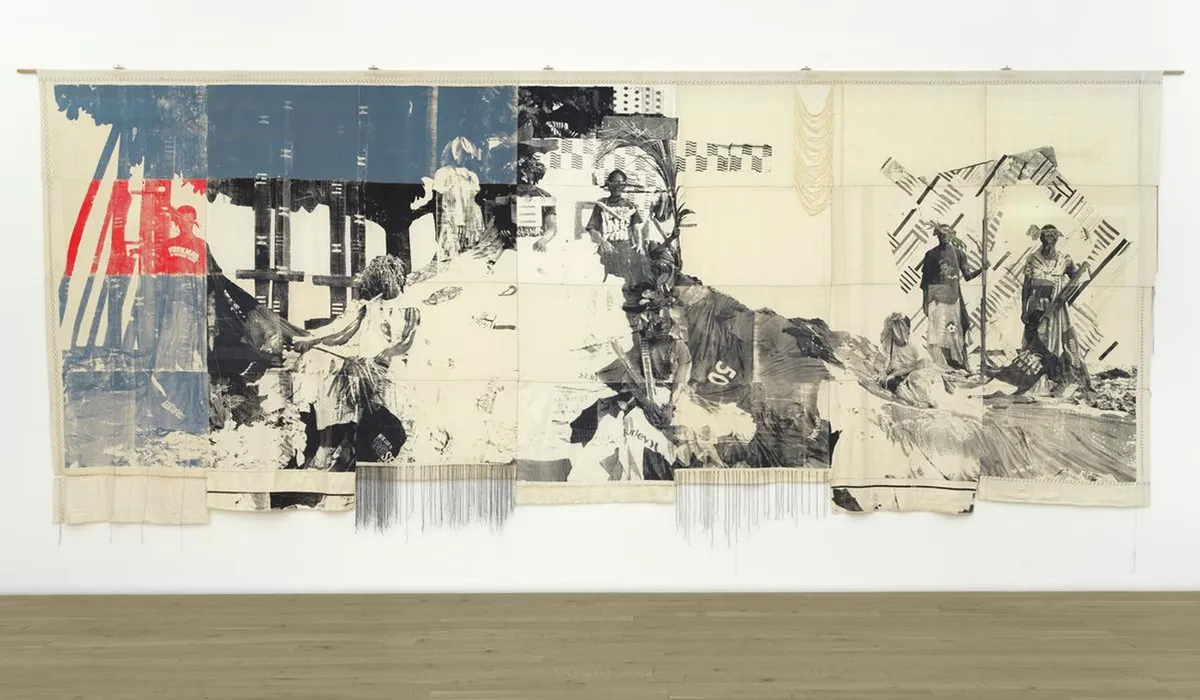
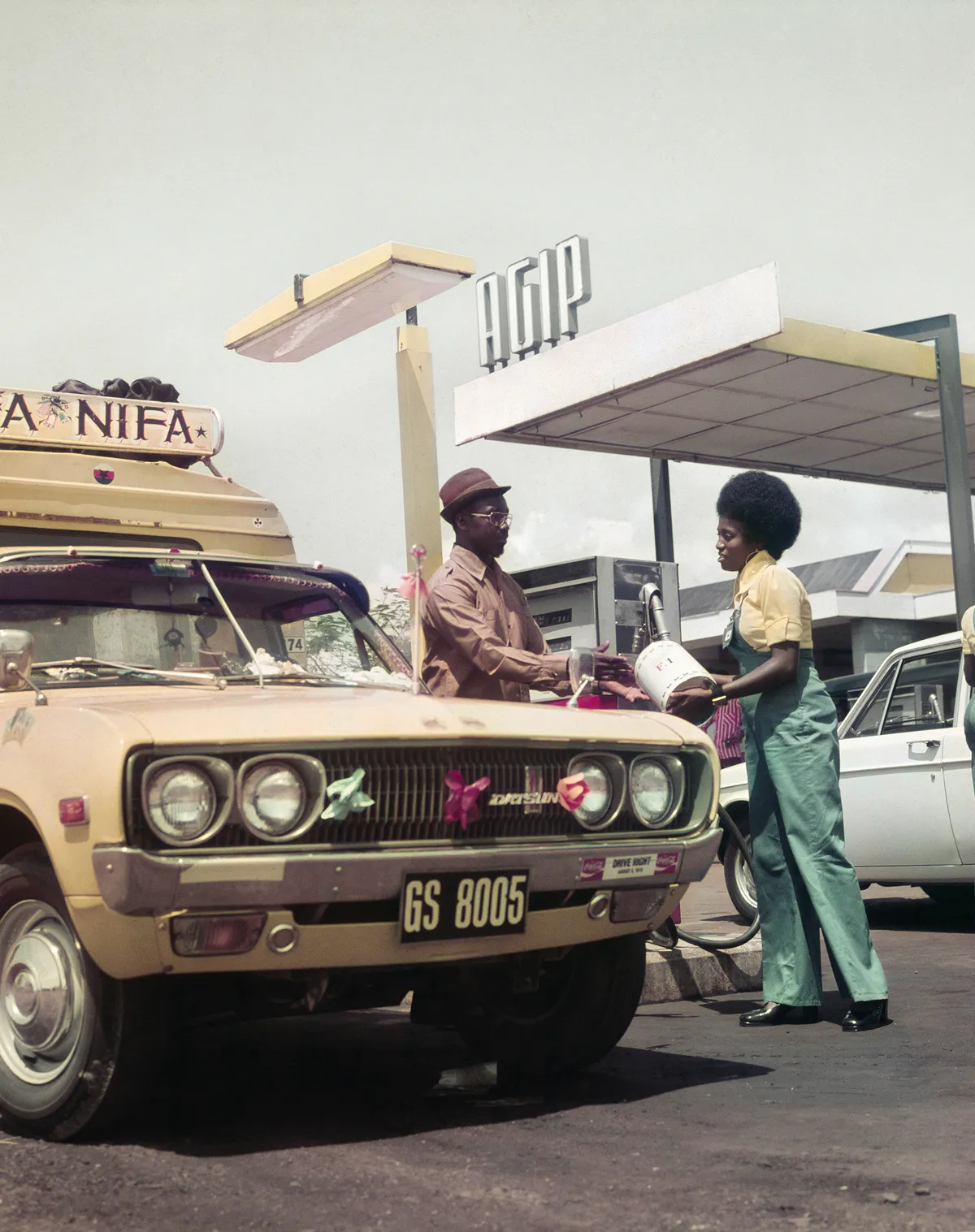
In particular, she denounces the consequences of the massive export of fast fashion clothing to Ghana, where this textile waste undermines local know-how and turns some areas into open-air dumps. In monumental works such as When We Were Queens and Kings, she highlights the tensions between cultural heritage, globalization, and consumption.
Queens and Kings (2017) Collection Tate
After being diagnosed with breast cancer in 2019, Zohra Opoku made art a tool for healing and rebirth.
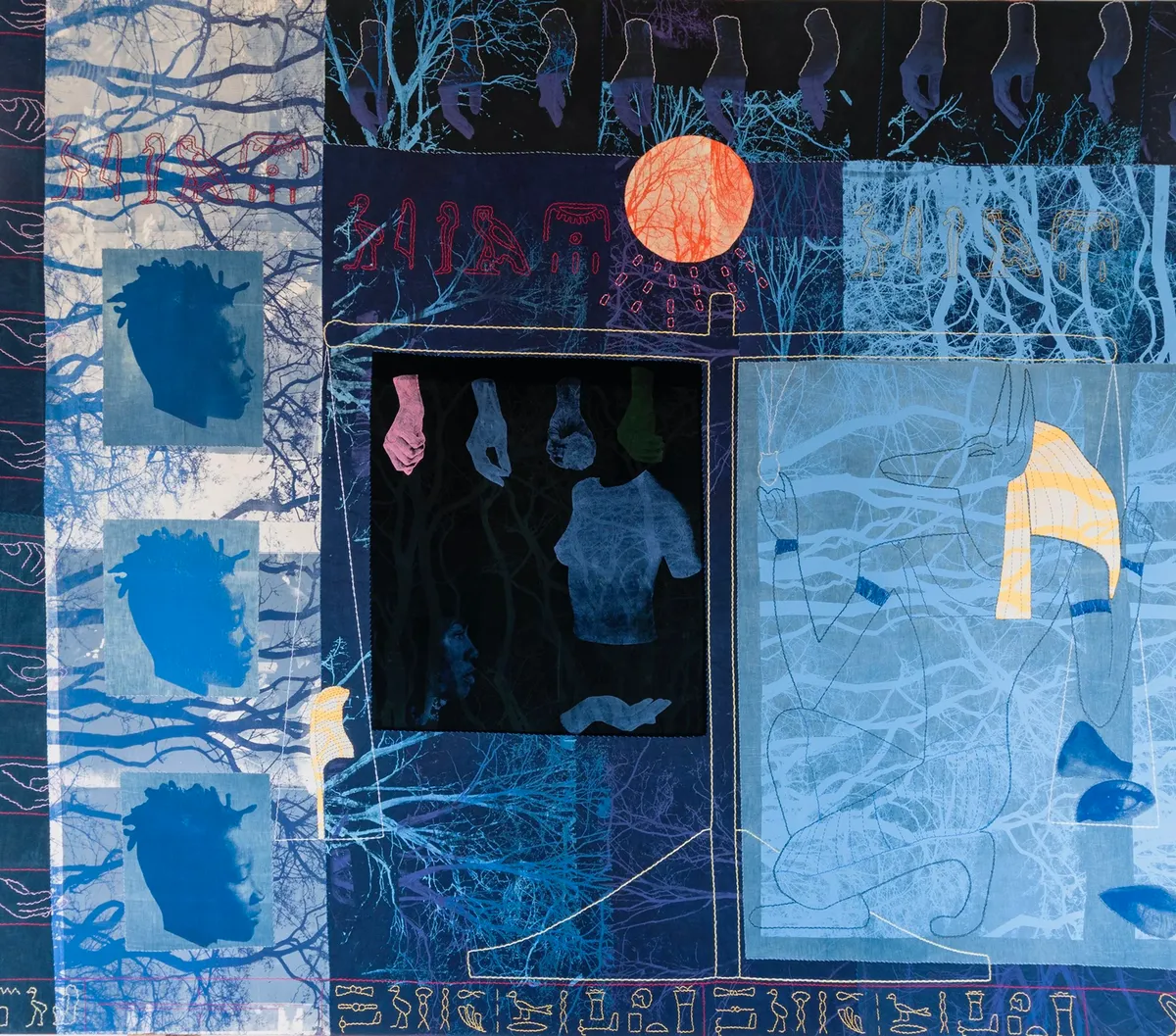
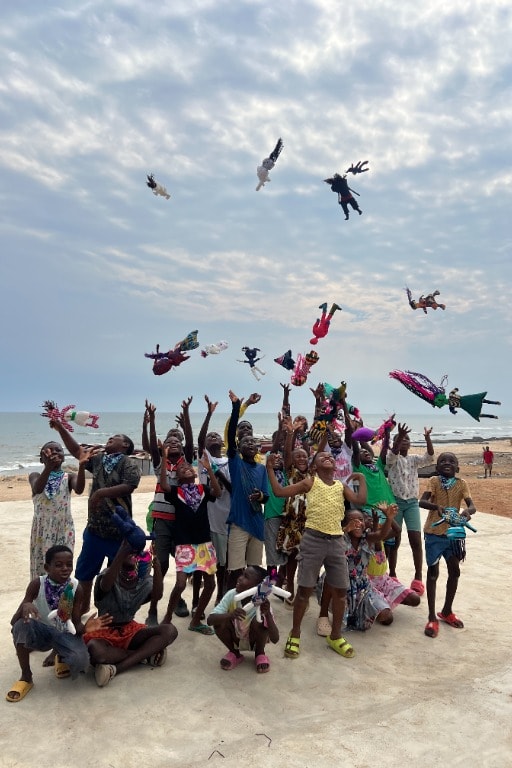
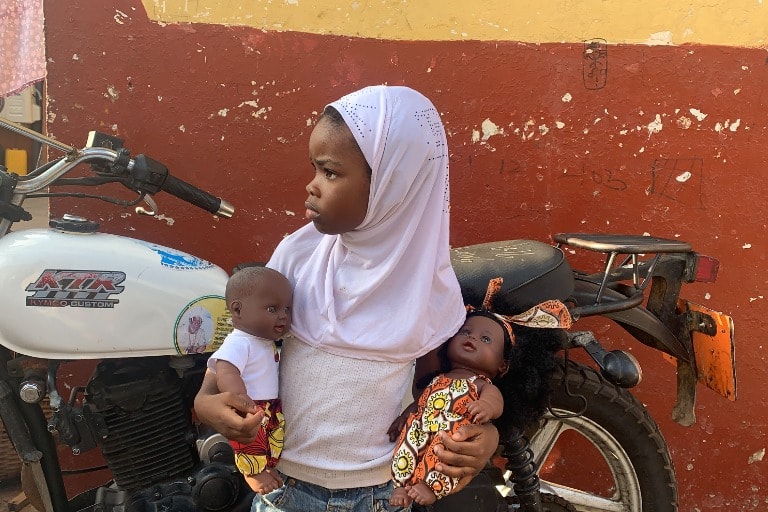
This experience gave rise to the series The Myths of Eternal Life, inspired by the Ancient Egyptian Book of the Dead, in which she explores themes of care, death, spirituality, and renewal. More recently, with Give Me Back My Black Dolls, she works with children and families in Accra to question representations of beauty and to celebrate African identities. Throughout her body of work, Zohra Opoku transforms her personal journey into a universal reflection on memory, resilience, and transmission.
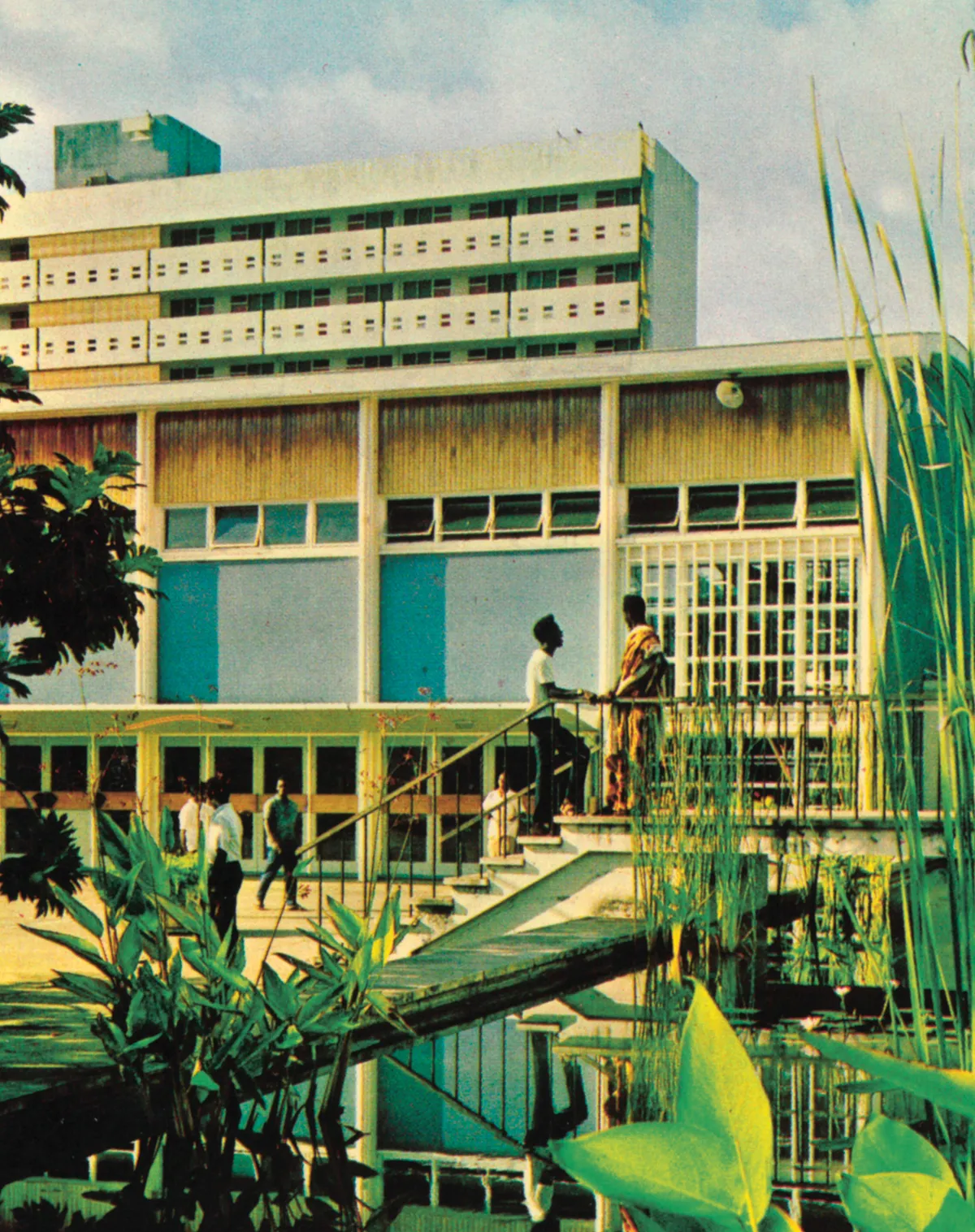
Thinking historically in the present, 2023, Sharjah Biennial
Her contributions to the Great Harvest
My latest series, titled 'Give Me Back My Black Dolls' is a multidimensional inquiry into the impact of Western beauty standards on children, departing from my work with Ghanaian school children. This project mixes artistic sensibilities with the methodology of a
socio-cultural study, seeking to illuminate the biases, thoughts, and beliefs harboured by Ghanaian children as they engage with Caucasian and African dolls.
Venturing beyond the bustling urban milieu of Accra, the project aspire to deconstruct and examine the monolithic perceptions often ascribed to Africa. Ghana, with its myriad ethnic groups, dialogues, religions, and beliefs, is a microcosm of diversity, defying reductionist portrayals. 'Give Me Back My Black Dolls' becomes a catalyst for the acknowledgment and celebration of cultural heterogeneity, unfolding in towns where cultural narratives are often overshadowed by mainstream simplifications. Departing from Africa, this project can find a strong and unique resonance wherever there are afro-diasporic communities.
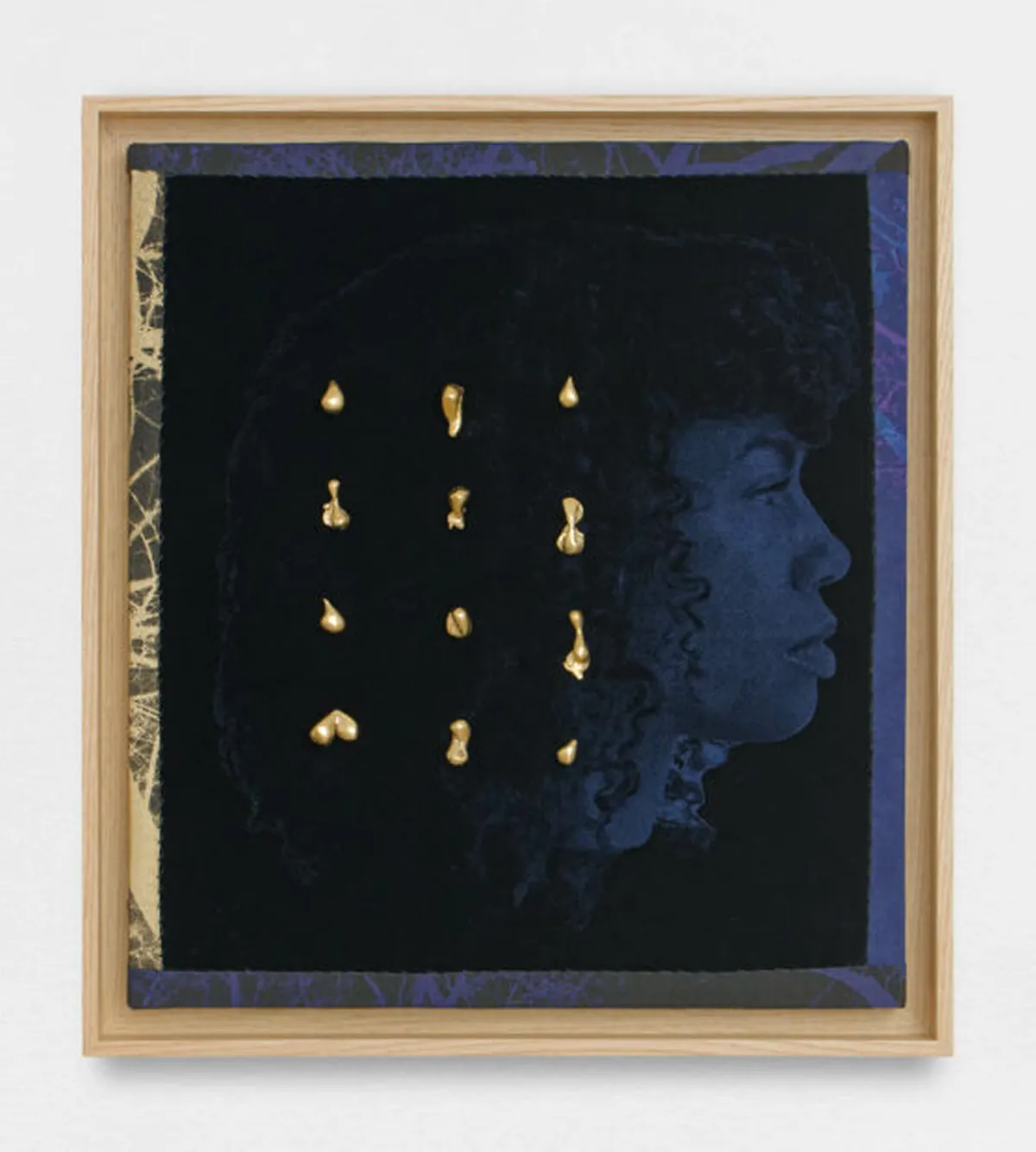
This project utilises and references community practice, the long history of black doll collections, doll-making workshops, and installations of bronze casting and expansive textile works. Bronze and fabrics, both important mediums within my practice, are used to explore the contemporary use of a traditional materials that are culturally and historically tied to West Africa.
Utopies collectives
How do our early interactions with dolls impact our identity? What impact do dolls have on a
child’s sense of self? How does creating our own toys provide a space of freedom for children?
Working with the Foundation for Contemporary Art Ghana (FCA), we gathered both data and
dolls from children in the communities. Most of the dolls came from second-hand markets or
from China, and we exchanged them for dolls with Ghanaian features made by a local producer. Some of the collected dolls have since inspired me to recast them in brass, as an act of reclaiming what is ours.
Utopies collectives
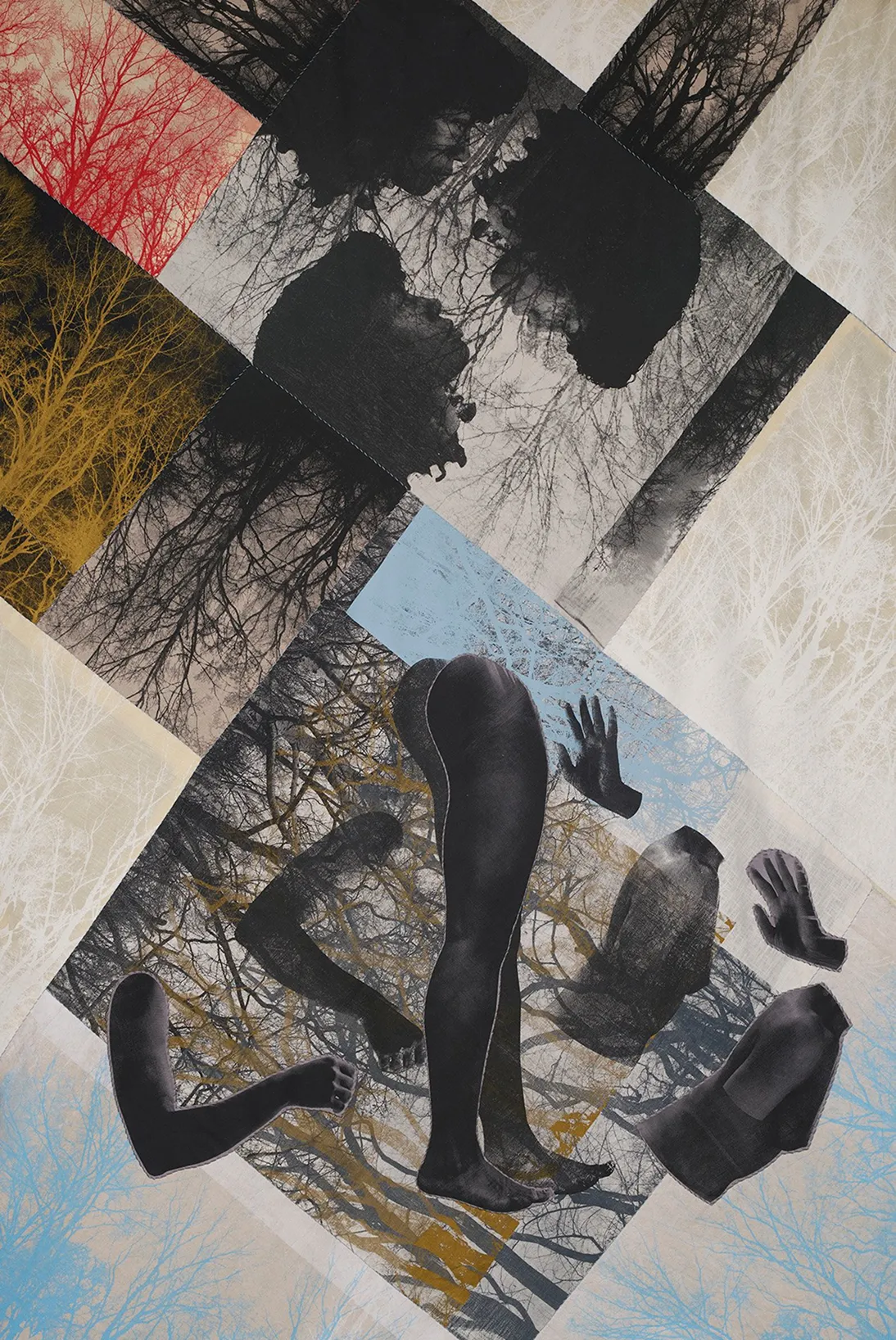
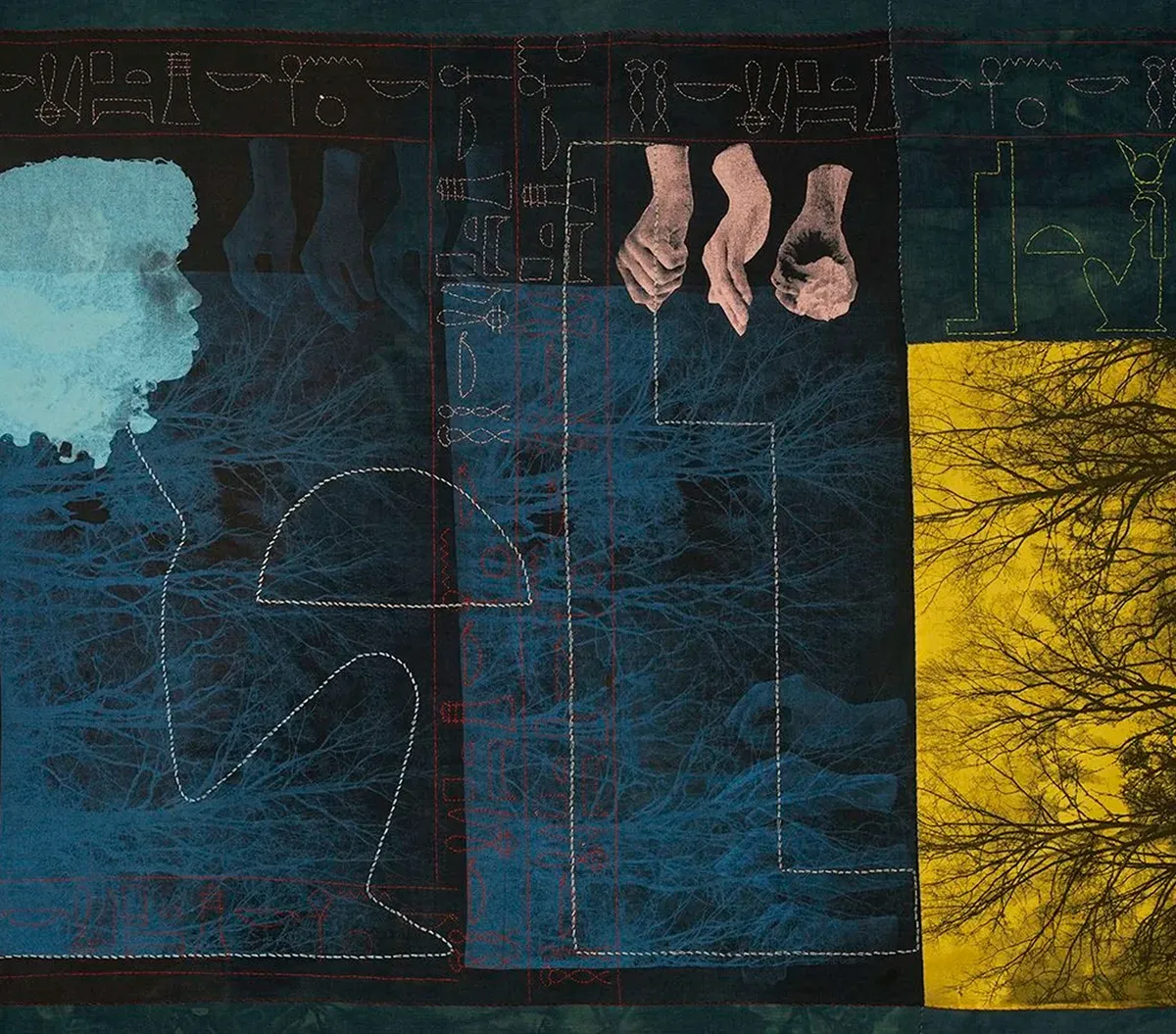
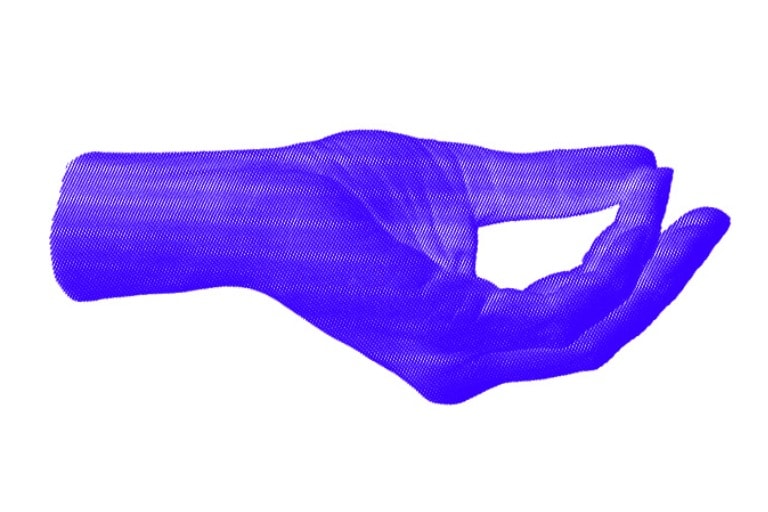
Healing Hands and Hieroglyphs is the first of four chapters in The Myths of Eternal Life (2020–2026),
made during and after my cancer treatment in Berlin, where daily walks among the bare winter trees of the
Tiergarten and an encounter with ancient Egyptian art at the Neues Museum led me to engage deeply
with the Book of the Dead. The chapter turns the countless hands of doctors and nurses that examined
me, an experience that felt like being dismembered, into a symbolic language of care, drawing a parallel
with hieroglyphic hands that pass on vital knowledge for the journey to the afterlife.